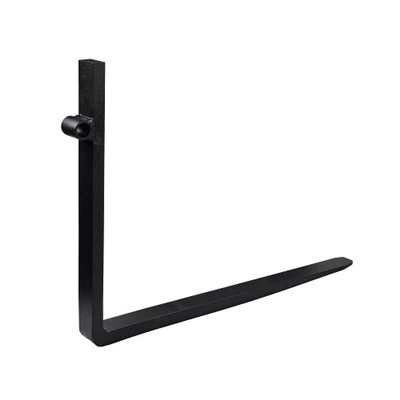
Hey there! As a supplier of Backhoe Loader Forks, I've seen firsthand how these powerful tools handle all sorts of loads, especially the tricky uneven ones. In this blog, I'll share some insights on how backhoe loader forks manage uneven loads and why they're a great choice for your heavy - lifting needs.
Understanding Uneven Loads
First off, let's talk about what uneven loads are. Uneven loads can occur in many situations. For instance, when you're moving a pile of construction materials like bricks or lumber that aren't neatly stacked. Sometimes, the weight is concentrated more on one side of the load, or the shape of the load itself is irregular. These types of loads can pose challenges, but that's where backhoe loader forks come in handy.
How Backhoe Loader Forks Tackle Uneven Loads
1. Design Features
Backhoe loader forks are designed with several features that help them handle uneven loads. The forks themselves are usually made of high - strength steel, which can withstand the stress of uneven weight distribution. They have a tapered shape at the end, which allows them to easily penetrate the load, even if it's not perfectly balanced.
The spacing between the forks can also be adjusted. This is super important when dealing with uneven loads. You can widen or narrow the forks to fit the shape and size of the load. For example, if you're moving a large, irregularly shaped object, you can increase the fork spacing to get a better grip.
2. Hydraulic Systems
Most modern backhoe loader forks are equipped with hydraulic systems. These systems give operators a high level of control over the forks. When dealing with an uneven load, the hydraulic system allows the operator to adjust the angle and height of the forks. For example, if one side of the load is heavier, the operator can tilt the forks slightly to balance the weight.
The hydraulic cylinders can also provide additional force when needed. If the load is particularly heavy or difficult to lift due to its uneven nature, the hydraulic system can generate extra power to get the job done.
3. Operator Skills
Of course, the operator plays a crucial role in handling uneven loads. A skilled operator knows how to assess the load before attempting to lift it. They'll look at the weight distribution, the shape of the load, and any potential hazards.


Once they start lifting, they'll use the controls of the backhoe loader forks carefully. They'll make small adjustments to the forks' position and angle to keep the load stable. For example, if the load starts to tilt to one side, the operator can quickly correct it by adjusting the hydraulic controls.
Types of Backhoe Loader Forks for Uneven Loads
1. Backhoe Loader Forks
Our Backhoe Loader Forks are a great all - around option for handling uneven loads. They are designed to be versatile and can be used in a variety of applications. Whether you're working on a construction site, a farm, or a warehouse, these forks can get the job done.
2. Pallet Forks for Backhoe
Pallet Forks for Backhoe are specifically designed for handling pallets, but they can also handle uneven loads. They have a flat surface on the forks, which provides a stable base for the load. Even if the load on the pallet is unevenly distributed, the pallet forks can still lift it safely.
3. Pin Type Forks
Pin Type Forks are another option for dealing with uneven loads. These forks are attached to the backhoe using pins, which provides a secure connection. They are often used in heavy - duty applications where the load may be large and uneven.
Benefits of Using Backhoe Loader Forks for Uneven Loads
1. Increased Efficiency
Using backhoe loader forks to handle uneven loads can significantly increase efficiency. Instead of spending time trying to balance the load manually or using multiple tools, you can use the forks to quickly and easily lift and move the load. This saves time and reduces the risk of accidents.
2. Safety
Safety is always a top priority when dealing with heavy loads. Backhoe loader forks are designed with safety in mind. The strong construction and hydraulic controls help to keep the load stable, reducing the risk of it tipping over or falling. This protects both the operator and the surrounding environment.
3. Versatility
Backhoe loader forks are incredibly versatile. They can be used in a wide range of industries, from construction to agriculture. Whether you're moving building materials, hay bales, or pallets, these forks can handle the job.
Tips for Handling Uneven Loads with Backhoe Loader Forks
1. Inspect the Load
Before attempting to lift an uneven load, take the time to inspect it carefully. Look for any signs of damage or instability. If the load is too heavy or too large for the forks, don't try to lift it.
2. Use the Right Forks
Make sure you're using the right type of forks for the job. Different types of forks are designed for different applications, so choose the ones that are best suited for the uneven load you're dealing with.
3. Start Slow
When lifting an uneven load, start slow and make small adjustments as needed. This will help you keep the load stable and prevent any sudden movements that could cause the load to tip.
Contact Us for Your Backhoe Loader Forks Needs
If you're in the market for high - quality backhoe loader forks to handle uneven loads, we're here to help. Our team of experts can assist you in choosing the right forks for your specific needs. Whether you need standard forks, pallet forks, or pin - type forks, we have a wide range of options available.
Don't hesitate to reach out to us to discuss your requirements and get a quote. We're committed to providing you with the best products and services to ensure your heavy - lifting tasks are completed safely and efficiently.
References
- Construction Equipment Handbook, various editions
- Manufacturer's manuals for backhoe loader forks