When it comes to installing a slotted piano hinge, one of the most common questions we, as a slotted piano hinge supplier, receive is: "How many screws are needed to install a slotted piano hinge?" This seemingly simple question has a complex answer that depends on several factors. In this blog post, we'll explore these factors and provide a comprehensive guide to help you determine the appropriate number of screws for your slotted piano hinge installation.
Understanding the Basics of Slotted Piano Hinges
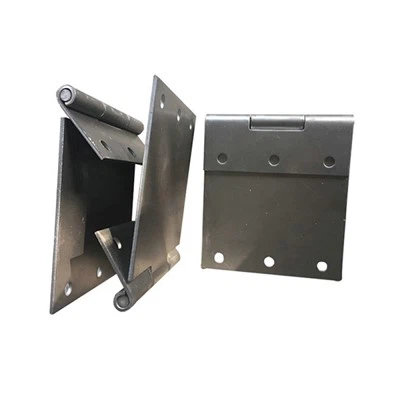
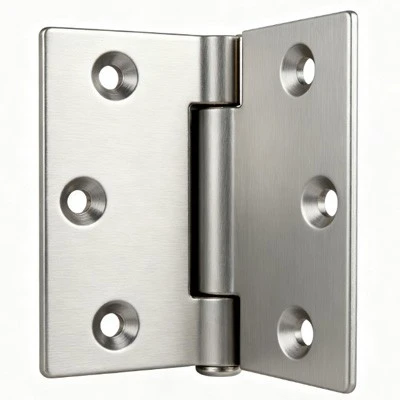
Before delving into the screw requirements, it's essential to understand what a slotted piano hinge is. A Slotted Piano Hinge is a long, continuous hinge that runs the entire length of a door or other hinged object. The slots in the hinge allow for easy adjustment and alignment during installation. These hinges are commonly used in various applications, including cabinets, doors, and furniture, due to their strength and durability.
Factors Affecting the Number of Screws
Several factors influence the number of screws needed to install a slotted piano hinge. These factors include the length of the hinge, the weight of the door or object being hinged, the type of material the hinge is being attached to, and the intended use of the hinge.
Hinge Length
The length of the slotted piano hinge is a significant factor in determining the number of screws. Generally, the longer the hinge, the more screws are required to ensure proper support and stability. As a rule of thumb, for every 12 inches (30.5 cm) of hinge length, you should use at least two screws on each side of the hinge. For example, if you have a 24-inch (61 cm) slotted piano hinge, you would need at least four screws on each side, for a total of eight screws.

Weight of the Door or Object
The weight of the door or object being hinged also plays a crucial role in determining the number of screws. Heavier doors or objects require more screws to support the weight and prevent the hinge from sagging or failing. If you're installing a slotted piano hinge on a heavy door, such as a commercial steel door, you may need to increase the number of screws to ensure the hinge can handle the load. Commercial Steel Door Hinges are designed to support heavy doors and often require more screws than standard hinges.
Type of Material
The type of material the hinge is being attached to is another important factor. Different materials have different holding capacities, and the number of screws needed may vary accordingly. For example, if you're attaching the slotted piano hinge to a solid wood door, you may be able to use fewer screws than if you're attaching it to a hollow-core door. Solid wood provides better support and can hold screws more securely, while hollow-core doors may require additional screws to prevent the hinge from pulling out.
Intended Use
The intended use of the hinge also affects the number of screws. If the hinge will be subjected to frequent opening and closing or heavy use, you may need to use more screws to ensure the hinge remains secure. For example, a hinge on a cabinet door that is opened and closed multiple times a day may require more screws than a hinge on a decorative cabinet that is rarely used.
Calculating the Number of Screws
To calculate the number of screws needed for your slotted piano hinge installation, follow these steps:
- Determine the length of the hinge: Measure the length of the slotted piano hinge in inches or centimeters.
- Consider the weight of the door or object: If the door or object is heavy, you may need to increase the number of screws.
- Evaluate the type of material: Different materials have different holding capacities, so adjust the number of screws accordingly.
- Factor in the intended use: If the hinge will be subjected to heavy use, use more screws to ensure durability.
- Use the rule of thumb: As a general guideline, use at least two screws for every 12 inches (30.5 cm) of hinge length on each side of the hinge.
For example, let's say you have a 36-inch (91.4 cm) slotted piano hinge that you're installing on a solid wood cabinet door. Using the rule of thumb, you would need at least six screws on each side of the hinge, for a total of 12 screws. However, if the cabinet door is heavy or will be used frequently, you may want to increase the number of screws to ensure the hinge remains secure.
Choosing the Right Screws
In addition to determining the number of screws, it's important to choose the right screws for your slotted piano hinge installation. The screws should be the appropriate length and diameter for the hinge and the material you're attaching it to. Generally, screws that are 1 1/4 to 1 1/2 inches (3.2 to 3.8 cm) long are suitable for most slotted piano hinge installations.
It's also important to choose screws that are made of a durable material, such as stainless steel or brass, to prevent rust and corrosion. Using high-quality screws will ensure the longevity and performance of your slotted piano hinge.
Installation Tips
Once you've determined the number of screws and chosen the right ones, it's time to install the slotted piano hinge. Here are some installation tips to help you ensure a successful installation:
- Prepare the surface: Make sure the surface where you're installing the hinge is clean, smooth, and free of debris. Use a sandpaper or file to smooth any rough edges.
- Mark the screw holes: Use a pencil or marker to mark the screw holes on the hinge and the surface where you're installing it. Make sure the holes are evenly spaced and aligned.
- Drill the pilot holes: Use a drill bit that is slightly smaller than the diameter of the screws to drill pilot holes in the marked locations. This will prevent the wood from splitting and make it easier to insert the screws.
- Insert the screws: Insert the screws into the pilot holes and use a screwdriver to tighten them. Make sure the screws are tightened securely, but don't over-tighten them, as this can damage the hinge or the material.
- Test the hinge: Once the hinge is installed, test it to make sure it opens and closes smoothly. If the hinge is sticking or doesn't move freely, you may need to adjust the screws or the alignment of the hinge.
Conclusion
Determining the number of screws needed to install a slotted piano hinge requires careful consideration of several factors, including the length of the hinge, the weight of the door or object, the type of material, and the intended use. By following the guidelines outlined in this blog post, you can ensure a successful installation and a secure, durable hinge.
If you have any questions or need further assistance with your slotted piano hinge installation, please don't hesitate to contact us. We're a leading supplier of Slotted Piano Hinges and Steel Strap Hinges, and we're here to help you find the right hinge and installation solutions for your needs. Whether you're a DIY enthusiast or a professional contractor, we have the expertise and products to meet your requirements. Contact us today to discuss your project and explore our range of high-quality hinges.
References
- "Hinge Installation Guide." Woodworking Magazine.
- "How to Install a Piano Hinge." Home Depot.
- "Choosing the Right Hinge for Your Project." Lowe's.