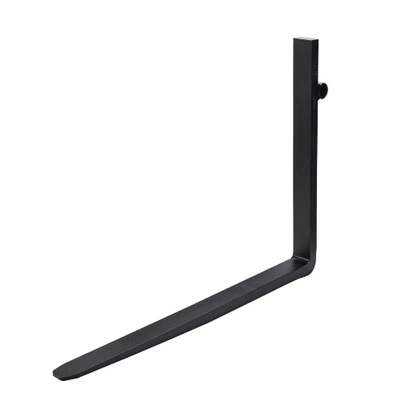
Hey there! As a supplier of Track Loader Forks, I know how important it is to store these tools properly. Not only does proper storage extend the lifespan of your forks, but it also ensures they're in top - notch condition when you need them. Let's dive into some key tips on how to store track loader forks correctly.
Clean Before Storage
First things first, you gotta clean your track loader forks before putting them away. Dirt, debris, and any kind of residue can cause corrosion over time. Use a high - pressure water hose to blast off the loose dirt. If there's stubborn grease or grime, you can use a degreaser. Make sure to scrub all the nooks and crannies, especially around the tines. Once you've cleaned them, dry the forks thoroughly. Moisture is the enemy when it comes to metal, and leaving the forks wet can lead to rust.
Inspect for Damage
Before storing, give your forks a good once - over. Check for any signs of wear and tear, like bent tines or cracks. If you notice any issues, it's better to address them right away. You don't want to store damaged forks and then find out later that the problem has worsened. Minor damages can sometimes be repaired, but if the forks are severely damaged, it might be time to consider getting new ones. You can find a wide range of Loader Fork Tines on our website.
Choose the Right Storage Location
The location where you store your track loader forks matters a lot. You want to pick a place that's dry and protected from the elements. A shed or a garage is ideal. If you don't have indoor storage, at least cover the forks with a heavy - duty tarp. Avoid storing them in areas where they can be exposed to direct sunlight for long periods, as this can cause the metal to expand and contract, leading to structural damage.
Use Proper Racking
Invest in a good quality rack for storing your forks. A well - designed rack will keep the forks organized and prevent them from getting tangled or damaged. You can mount the rack on the wall or use a freestanding one. Make sure the rack is sturdy enough to hold the weight of the forks. When placing the forks on the rack, position them in a way that the tines are not touching the ground or any other hard surface. This helps prevent the tines from getting dull or bent.
Lubricate Moving Parts
If your track loader forks have any moving parts, like the attachment mechanism, it's a good idea to lubricate them before storage. This helps prevent rust and ensures smooth operation when you use the forks again. Use a high - quality lubricant and apply it according to the manufacturer's instructions.
Keep Them Off the Ground
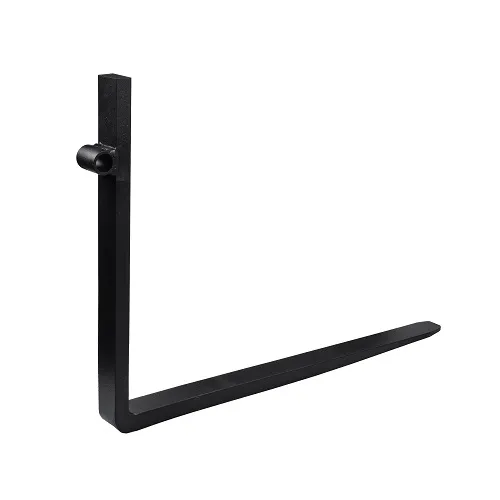
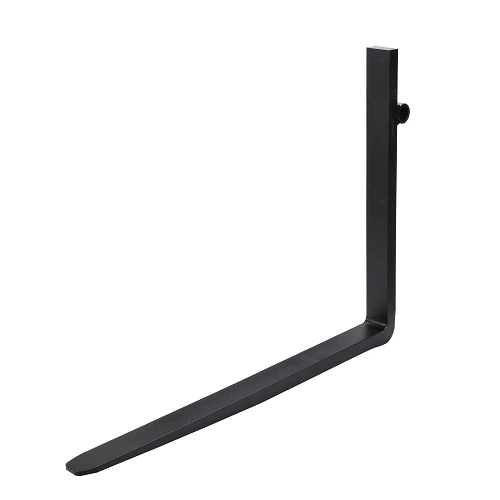
Storing the forks directly on the ground is a big no - no. The ground can be damp, and moisture can seep into the metal, causing rust. Use pallets or blocks to elevate the forks. This also makes it easier to move the forks around when you need to use them.
Label and Organize
It's a good practice to label your forks. This can help you quickly identify the right forks for the job. You can use tags or paint to mark the forks with their size, capacity, or any other relevant information. Organize the forks by size or type on the rack. This way, you can easily find the forks you need without having to rummage through a pile of them.
Regular Checks
Even when the forks are in storage, it's important to do regular checks. Every few months, take a look at the forks to make sure they're still in good condition. Check for any signs of rust, damage, or any other issues. If you notice anything, take action right away.
Consider Climate Control
In areas with extreme temperatures or high humidity, you might want to consider climate - controlled storage. This can help maintain a stable environment for the forks and prevent damage. If you don't have access to climate - controlled storage, you can use desiccants to absorb moisture in the storage area.
Safety First
When handling the forks for storage, always follow safety procedures. Use proper lifting equipment, like a forklift or a hoist, to move the forks. Make sure the lifting equipment is rated for the weight of the forks. Wear appropriate safety gear, such as gloves and safety glasses.
Conclusion
Proper storage of track loader forks is crucial for their longevity and performance. By following these tips, you can ensure that your forks are in great condition whenever you need them. If you're in the market for new track loader forks or Fork Attachments for Wheel Loaders, we've got you covered. Our products are of high quality and designed to meet your needs.
If you're interested in learning more about our track loader forks or have any questions about storage or usage, feel free to reach out. We're here to help you make the best decisions for your equipment. Whether you're a small business owner or a large construction company, we can provide the right solutions for you. So, don't hesitate to contact us for a quote or to discuss your specific requirements. We look forward to working with you!
References
- General knowledge of track loader fork maintenance and storage from industry experience.
- Manufacturer's guidelines for track loader fork care.