Can skid steers forks be used on slopes? This is a question that often comes up among operators and those in the construction, agriculture, and material handling industries. As a supplier of Skid Steers Forks, I'm here to provide a detailed and scientific answer to this query.
Understanding Skid Steer Forks
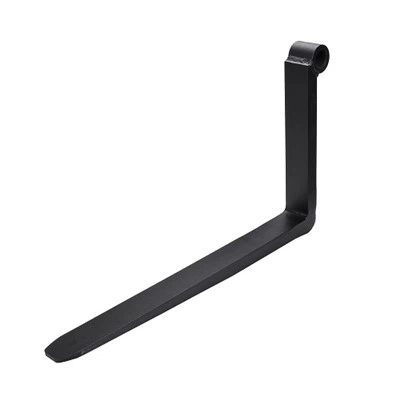
Skid steer forks are essential attachments for skid steer loaders. They are designed to lift, move, and stack pallets, bales, and other heavy materials. There are different types of skid steer forks available in the market, such as Heavy Duty Skid Steer Pallet Forks, Skid Steer Loader Forks, and Skid Steers Attachments forks. These forks vary in terms of their design, capacity, and durability, depending on the specific application requirements.
Using Skid Steer Forks on Slopes: The Basics
Using skid steer forks on slopes is possible, but it comes with a set of challenges and safety considerations. The primary concern when operating on slopes is the stability of the skid steer loader. The center of gravity of the machine and the load it is carrying can shift significantly on a slope, increasing the risk of tipping over.
Factors Affecting Stability
- Slope Angle: The steeper the slope, the greater the risk. As the angle of the slope increases, the force acting on the skid steer loader to tip over also increases. For example, on a gentle slope of 5 - 10 degrees, the risk is relatively low, but on a slope of 20 degrees or more, the risk becomes much higher.
- Load Distribution: The way the load is distributed on the forks is crucial. If the load is not centered properly, it can cause the skid steer to become unbalanced. For instance, if a heavy load is placed too far forward on the forks, it can increase the likelihood of the front end of the skid steer tipping down the slope.
- Tire Traction: The type of tires on the skid steer loader and the surface conditions of the slope play a significant role in traction. On a wet or slippery slope, the tires may not provide enough grip, increasing the risk of the skid steer sliding.
Safety Precautions
To safely use skid steer forks on slopes, the following safety precautions should be taken:
- Inspect the Equipment: Before operating on a slope, thoroughly inspect the skid steer loader and the forks. Check for any signs of damage or wear, such as cracks in the forks or loose bolts.
- Choose the Right Forks: Select the appropriate type of forks for the job. Heavy - duty forks may be necessary for carrying large or heavy loads on slopes.
- Load Properly: Ensure that the load is evenly distributed on the forks. If possible, secure the load to prevent it from shifting during operation.
- Operate at a Safe Speed: Reduce the speed of the skid steer loader when operating on slopes. This gives the operator more time to react to any unexpected situations.
- Use the Correct Technique: When going up or down a slope, always drive straight up or down. Avoid turning on the slope, as this can increase the risk of tipping.
Advantages of Using Skid Steer Forks on Slopes
Despite the challenges, there are several advantages to using skid steer forks on slopes:
- Increased Mobility: Skid steer loaders are highly maneuverable, and using forks on slopes allows them to access areas that may be difficult to reach with other types of equipment.
- Versatility: Skid steer forks can be used for a variety of tasks on slopes, such as moving pallets of construction materials or clearing debris.
- Efficiency: They can significantly improve the efficiency of material handling operations on slopes, reducing the time and effort required to move heavy loads.
Case Studies
Let's take a look at a couple of real - world examples to illustrate the use of skid steer forks on slopes.
Construction Site
On a construction site with a sloped terrain, a contractor needed to move pallets of bricks from one area to another. By using skid steer forks, the operator was able to navigate the slope safely and efficiently. The forks were attached to a skid steer loader, and the operator followed the safety precautions mentioned above. This allowed the construction team to complete the task in a timely manner, reducing the overall project time.


Agricultural Setting
In an agricultural setting, a farmer needed to move hay bales on a sloped field. The skid steer forks were used to lift and transport the bales. By carefully loading the bales and operating the skid steer at a safe speed, the farmer was able to move the hay bales without any issues, improving the efficiency of the hay - handling process.
Conclusion
In conclusion, skid steer forks can be used on slopes, but it is essential to take the necessary safety precautions. Understanding the factors that affect stability, such as slope angle, load distribution, and tire traction, is crucial for safe operation. By following the safety guidelines and using the right equipment, operators can safely and efficiently use skid steer forks on slopes.
If you are in the market for high - quality skid steer forks, we are here to help. Our range of Heavy Duty Skid Steer Pallet Forks, Skid Steer Loader Forks, and Skid Steers Attachments forks is designed to meet the diverse needs of different industries. Whether you are working on a construction site, an agricultural farm, or any other project that requires material handling on slopes, our forks can provide the reliability and performance you need. Contact us today to discuss your specific requirements and start a procurement negotiation.
References
- Smith, J. (2020). Skid Steer Loader Operations Manual. ABC Publishing.
- Johnson, M. (2019). Safety Guidelines for Operating Skid Steer Loaders on Slopes. Journal of Construction Equipment Safety, 15(2), 45 - 52.