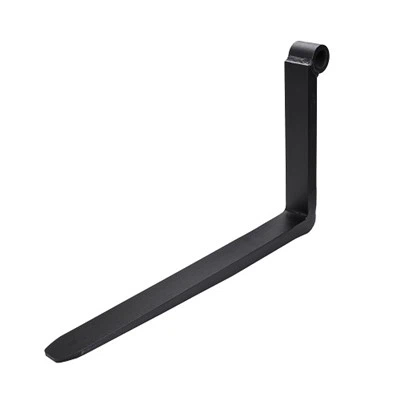
Hey there, folks! If you're here, chances are you're looking to install track loader forks on your track loader. Well, you've come to the right place. I'm from a Track Loader Forks supplier, and I'm gonna walk you through the whole process step by step.

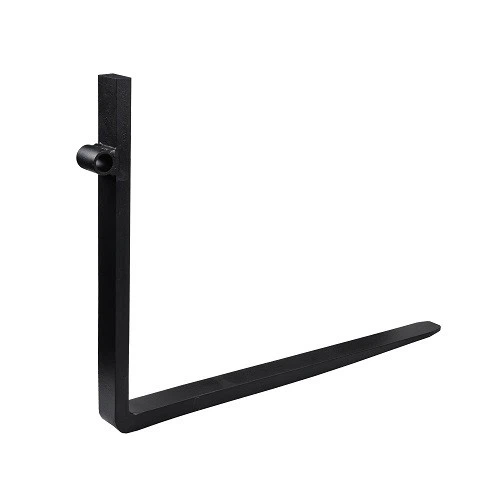
First off, let's talk about why you might want to install track loader forks in the first place. Track loader forks, like the ones you can find at Track Loader Forks, are super useful for a variety of tasks. Whether you're moving pallets, logs, or other heavy materials, these forks can make your job a whole lot easier.
Pre - Installation Checks
Before you start the installation process, there are a few things you need to do. First, make sure your track loader is in good working condition. Check the hydraulic system, the engine, and all the other components. You don't want to start installing the forks and then run into problems with the loader itself.
Next, gather all the tools you'll need. You'll typically need a socket set, a torque wrench, and maybe a pry bar. Having the right tools on hand will make the installation go much smoother.
Also, take a good look at the track loader forks you've purchased. Check for any damage or defects. If you notice anything wrong, contact your supplier right away. We at our company take pride in providing high - quality Loader Fork Tines, and we want to make sure you get the best product possible.
Step 1: Prepare the Track Loader
Park your track loader on a flat, stable surface. Engage the parking brake and turn off the engine. This is a crucial safety step. You don't want the loader to move while you're installing the forks.
If your track loader has a quick - attach system, make sure it's clean and free of debris. A dirty quick - attach system can cause problems with the fork installation. You can use a wire brush to clean it if necessary.
Step 2: Position the Forks
Lift the forks up to the quick - attach plate on the track loader. Make sure the forks are properly aligned with the quick - attach system. This might take a little bit of maneuvering, but it's important to get it right. You want the forks to fit snugly onto the loader.
Step 3: Attach the Forks
Once the forks are aligned, start the engine and engage the hydraulic system. Use the controls to lower the quick - attach plate onto the forks. You'll hear a click or a snap when the forks are properly attached. This indicates that the locking mechanism has engaged.
Use the torque wrench to tighten any bolts or fasteners that are required. Make sure to follow the manufacturer's specifications for torque values. Over - tightening or under - tightening the bolts can lead to problems down the road.
Step 4: Test the Forks
After the forks are attached, it's time to test them. Lift the forks up and down a few times using the hydraulic controls. Make sure they move smoothly and that there are no unusual noises or vibrations.
Try picking up a light load, like an empty pallet, to see how the forks perform. If everything seems to be working fine, you're good to go. But if you notice any issues, such as the forks not lifting properly or making strange noises, stop using them immediately and check for problems.
Tips for Maintenance
Once you've installed the track loader forks, it's important to maintain them properly. Regularly inspect the forks for any signs of wear or damage. Check the hydraulic hoses for leaks and make sure all the bolts and fasteners are tight.
Clean the forks after each use. This will help prevent rust and corrosion. You can use a pressure washer or a hose to clean them, but make sure to dry them thoroughly afterwards.
Different Types of Fork Attachments
There are different types of fork attachments available for track loaders, like the Fork Attachments for Wheel Loaders. Some forks are designed for specific tasks, such as handling long or heavy loads. You can choose the type of forks that best suit your needs.
If you're not sure which type of forks or attachments are right for you, don't hesitate to reach out to us. We're here to help you make the best decision for your track loader.
Conclusion
Installing track loader forks on your track loader doesn't have to be a complicated process. By following these steps and taking the necessary precautions, you can have your forks installed and ready to use in no time.
If you're in the market for high - quality track loader forks or any related attachments, we're here to assist you. We offer a wide range of products that are designed to meet your specific needs. Whether you're a small - scale contractor or a large construction company, we've got the right solution for you.
So, if you're interested in purchasing track loader forks or want to learn more about our products, don't hesitate to get in touch. We're always happy to answer your questions and help you with your procurement needs.
References
- Manufacturer's manual for the track loader
- Industry standards for track loader fork installation and maintenance