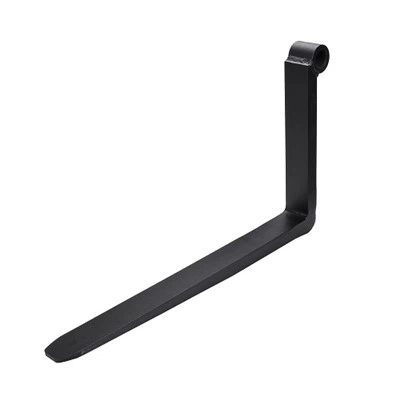
Pin type forks are a popular choice for forklift operators due to their versatility and ease of use. As a supplier of pin type forks, I often get asked whether these forks are easy to install on a forklift. In this blog post, I'll delve into the installation process of pin type forks, discuss the factors that affect their ease of installation, and share some tips to make the installation process smoother.
Understanding Pin Type Forks
Pin type forks are a type of forklift attachment that uses pins to secure the forks to the forklift carriage. They are designed to be easily removable and interchangeable, allowing operators to switch between different fork sizes and types depending on the task at hand. Pin type forks are commonly used in various industries, including warehousing, manufacturing, and logistics.


The Installation Process
The installation of pin type forks on a forklift typically involves the following steps:
- Prepare the Forklift: Before installing the pin type forks, ensure that the forklift is turned off and the parking brake is engaged. Place the forklift on a level surface to prevent any movement during the installation process.
- Inspect the Forks and Carriage: Check the pin type forks and the forklift carriage for any signs of damage or wear. Ensure that the pins and holes are clean and free of debris.
- Position the Forks: Align the pin type forks with the forklift carriage. Make sure that the forks are centered and level.
- Insert the Pins: Insert the pins through the holes in the forks and the carriage. Use a hammer or a pin insertion tool to ensure that the pins are fully seated.
- Secure the Pins: Once the pins are inserted, secure them with cotter pins or retaining clips to prevent them from coming loose.
- Test the Forks: After installing the pin type forks, test them to ensure that they are properly installed and functioning correctly. Lift a load of appropriate weight and check for any signs of instability or movement.
Factors Affecting Ease of Installation
Several factors can affect the ease of installing pin type forks on a forklift. These include:
- Forklift Compatibility: Pin type forks are designed to be compatible with specific forklift models. Before purchasing pin type forks, ensure that they are compatible with your forklift.
- Fork Size and Weight: The size and weight of the pin type forks can affect the ease of installation. Larger and heavier forks may require additional assistance or equipment to install.
- Operator Experience: The experience level of the operator can also affect the ease of installation. Operators who are familiar with forklift attachments and installation procedures are more likely to install the pin type forks correctly and efficiently.
- Installation Tools: Having the right installation tools can make the installation process easier and more efficient. Tools such as hammers, pin insertion tools, and wrenches are commonly used to install pin type forks.
Tips for a Smooth Installation
To make the installation process of pin type forks smoother, consider the following tips:
- Read the Installation Instructions: Before installing the pin type forks, carefully read the installation instructions provided by the manufacturer. Follow the instructions step by step to ensure that the forks are installed correctly.
- Use the Right Tools: Use the appropriate installation tools to ensure that the pins are inserted and secured properly. Using the wrong tools can damage the forks or the forklift carriage.
- Get Assistance: If the pin type forks are large or heavy, consider getting assistance from another person to install them. This can help prevent injuries and ensure that the forks are installed correctly.
- Inspect the Forks Regularly: After installing the pin type forks, inspect them regularly for any signs of damage or wear. Replace any damaged or worn parts immediately to ensure the safety and efficiency of the forklift.
Conclusion
In conclusion, pin type forks are generally easy to install on a forklift, provided that the forklift is compatible with the forks and the installation process is followed correctly. By understanding the installation process, considering the factors that affect ease of installation, and following the tips provided, you can ensure a smooth and successful installation of pin type forks on your forklift.
If you're in the market for pin type forks or other forklift attachments, I encourage you to explore our range of products. We offer high-quality Bucket Pallet Forks, Pallet Forks for Backhoe, and Backhoes Pallet Forks Attachments that are designed to meet the needs of various industries. Contact us today to discuss your requirements and explore how our products can enhance the efficiency and productivity of your forklift operations.
References
- Forklift Operator's Manual
- Pin Type Forks Installation Guide