When it comes to the operation of telehandlers, one question that often arises is whether there are any guidelines for sharing telehandler forks between different telehandlers. As a supplier of high - quality telehandler forks, I've encountered this query numerous times from our customers. In this blog, we will delve into this topic in detail, exploring the factors to consider, potential risks, and best practices for sharing telehandler forks.
Compatibility Considerations
The first and most crucial aspect when thinking about sharing telehandler forks is compatibility. Telehandlers come in various sizes, models, and specifications, and not all forks are suitable for every telehandler.
Mounting System
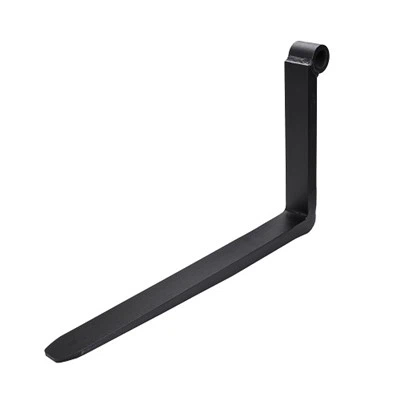
Telehandler forks are typically attached to the telehandler through a specific mounting system. There are different types of mounting systems in the market, such as shaft - mounted systems. Our Telehandler Shaft Mounted Forks are designed to fit telehandlers with a compatible shaft - mounting mechanism. If you try to share forks between telehandlers with different mounting systems, it can lead to a loose or improper fit. A loose fork can shift during operation, posing a significant safety hazard to the operator and those in the vicinity.
Load Capacity
Each telehandler has a specified load capacity, which is determined by its design, engine power, and structural integrity. Similarly, telehandler forks also have their own load - bearing capacities. When sharing forks between telehandlers, it's essential to ensure that the load capacity of the forks matches or exceeds the maximum load the telehandler can handle. For example, if a telehandler has a maximum load capacity of 5 tons, using forks with a load capacity of only 3 tons can lead to overloading, potentially causing the forks to bend or break. Our Super Strong Pallet Forks are engineered to withstand high loads and are available in different load - rating options to meet various telehandler requirements.
Fork Dimensions
The dimensions of the forks, including length, width, and thickness, can also affect compatibility. Forks that are too long or too wide for a telehandler may interfere with the machine's operation or cause instability. For instance, if the forks are too long, they can extend beyond the reach of the telehandler's lifting mechanism, making it difficult to control the load accurately. On the other hand, forks that are too thin may not be able to support the load properly. Our Telehandler Forklift Forks are available in a range of dimensions to ensure a proper fit for different telehandlers.
Safety Risks of Improper Fork Sharing
Sharing telehandler forks without following the proper guidelines can pose several safety risks.
Structural Failure
As mentioned earlier, using forks with an inappropriate load capacity can lead to structural failure. When the forks are overloaded, they may bend, twist, or even break. This can cause the load to fall, potentially injuring the operator or bystanders. Additionally, if the forks are not properly attached to the telehandler due to incompatible mounting systems, they can detach during operation, resulting in a similar dangerous situation.
Reduced Stability
Incorrect fork dimensions can affect the stability of the telehandler. Forks that are too long or too heavy can shift the center of gravity of the machine, making it more prone to tipping over. This is especially dangerous when the telehandler is operating on uneven terrain or when lifting heavy loads at a high height.
Operational Difficulties
Using incompatible forks can also lead to operational difficulties. For example, if the forks do not fit properly into the mounting system, the operator may have trouble attaching or detaching them. This can waste time and increase the risk of accidents during the attachment and detachment process.


Best Practices for Sharing Telehandler Forks
If sharing telehandler forks is necessary, the following best practices should be followed to ensure safety and efficiency.
Conduct a Compatibility Check
Before using a set of forks on a different telehandler, carefully review the specifications of both the telehandler and the forks. Check the mounting system, load capacity, and fork dimensions to ensure they are compatible. If you are unsure, consult the manufacturer's documentation or contact our technical support team for assistance.
Inspect the Forks Regularly
Regardless of whether the forks are being shared between telehandlers or used on a single machine, regular inspections are essential. Check for signs of wear and tear, such as cracks, bends, or corrosion. If any damage is detected, the forks should be repaired or replaced immediately.
Train the Operators
Operators should be trained on the proper use of telehandler forks, including how to attach and detach them correctly, how to assess the load capacity, and how to recognize signs of potential problems. Training can help prevent accidents and ensure that the forks are used safely and effectively.
Conclusion
In conclusion, while it is possible to share telehandler forks between different telehandlers, it must be done with caution. Compatibility is the key factor, and operators need to carefully consider the mounting system, load capacity, and fork dimensions. Failure to follow these guidelines can lead to safety risks, including structural failure, reduced stability, and operational difficulties.
At our company, we are committed to providing high - quality telehandler forks that meet the highest safety and performance standards. Our Super Strong Pallet Forks, Telehandler Shaft Mounted Forks, and Telehandler Forklift Forks are designed to offer a perfect fit for a wide range of telehandlers. If you have any questions about our products or need advice on sharing telehandler forks, please feel free to contact us. We look forward to discussing your requirements and helping you find the best solutions for your telehandler operations.
References
- Manufacturer's manuals for telehandlers and telehandler forks
- Industry safety standards for telehandler operations