Hey there! As a supplier of Telehandler Forks, I often get asked about the minimum turning radius when using these nifty tools. It's a crucial factor that can make or break your operations, so let's dive right in and explore this topic.


First off, what exactly is the minimum turning radius? Well, it's the smallest circle that a telehandler can make while turning. This measurement is super important because it determines how easily the machine can maneuver in tight spaces. Imagine you're working in a crowded warehouse or a construction site with limited room to move. A telehandler with a small turning radius can navigate through these areas with ease, while one with a large turning radius might struggle.
Now, several factors come into play when it comes to the minimum turning radius of a telehandler with forks attached. The design of the telehandler itself is a major factor. Different models have different wheelbases, steering systems, and overall dimensions, all of which affect how tightly the machine can turn. For example, a compact telehandler is likely to have a smaller turning radius compared to a larger, more heavy-duty model.
The size and weight of the forks also play a role. Heavier and longer forks can shift the center of gravity of the telehandler, which in turn can affect its turning ability. If the forks are too heavy or too long, they can make the telehandler more difficult to turn, increasing the minimum turning radius. On the other hand, lighter and shorter forks can help keep the center of gravity in check, allowing for a smaller turning radius.
Another important factor is the load being carried. When the telehandler is carrying a heavy load, it can affect the turning radius. The weight of the load can make the machine more difficult to turn, especially if the load is not evenly distributed. It's important to make sure that the load is properly balanced and secured to minimize the impact on the turning radius.
So, how can you determine the minimum turning radius of a telehandler with forks? Well, the best way is to consult the manufacturer's specifications. They usually provide detailed information about the turning radius of their machines, including when forks are attached. You can also test the telehandler in a controlled environment to get a better idea of its turning capabilities.
Now, let's talk about why the minimum turning radius is so important for your business. If you're working in a tight space, a telehandler with a small turning radius can save you a lot of time and effort. It can allow you to move materials more quickly and efficiently, which can increase your productivity and reduce your operating costs. On the other hand, a telehandler with a large turning radius might require more space to maneuver, which can slow you down and make your operations less efficient.
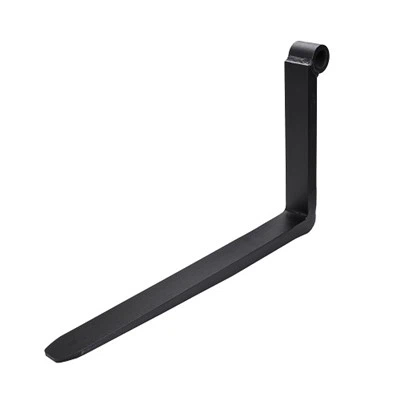
As a supplier of Telehandler Forks, I understand the importance of finding the right equipment for your needs. That's why we offer a wide range of Forks for Telehandler Attachment to suit different applications and requirements. Our Telehandler Forklift Forks are designed to be lightweight and durable, helping to minimize the impact on the turning radius of your telehandler. And our Telehandler Shaft Forks are built to handle heavy loads with ease, while still maintaining a small turning radius.
If you're in the market for Telehandler Forks, I encourage you to get in touch with us. We can help you find the right forks for your telehandler and provide you with all the information you need to make an informed decision. Whether you're looking for a specific type of fork or need advice on how to improve the turning radius of your telehandler, we're here to help.
In conclusion, the minimum turning radius is an important factor to consider when using a telehandler with forks. By understanding the factors that affect the turning radius and choosing the right equipment, you can ensure that your operations run smoothly and efficiently. So, if you have any questions or need further information, don't hesitate to contact us. We're here to help you get the most out of your telehandler and forks.
References:
- Manufacturer's specifications for telehandlers
- Industry standards and guidelines for telehandler operation