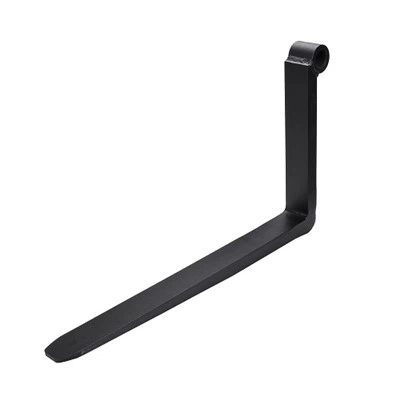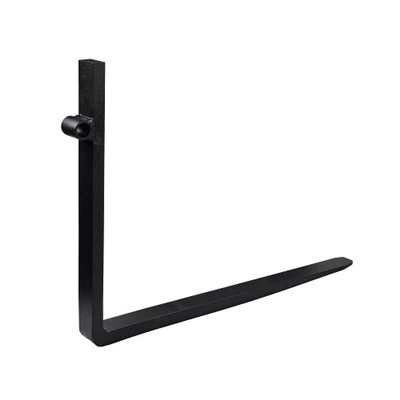
What is the Weight of Telehandler Shaft Forks?
As a supplier of Telehandler Shaft Forks, I often encounter inquiries about the weight of these essential attachments. Understanding the weight of telehandler shaft forks is crucial for various reasons, including equipment compatibility, load capacity management, and overall operational safety. In this blog post, I will delve into the factors that influence the weight of telehandler shaft forks, provide some general weight ranges, and discuss the importance of considering weight in your equipment selection.
Factors Affecting the Weight of Telehandler Shaft Forks
The weight of telehandler shaft forks can vary significantly depending on several key factors. Here are some of the primary elements that contribute to the overall weight of these forks:
- Material Composition: The type of material used in the construction of the forks plays a substantial role in determining their weight. Most telehandler shaft forks are made from high-strength steel, which offers excellent durability and load-bearing capacity. However, the specific grade and thickness of the steel can vary, leading to differences in weight. For example, forks made from a thicker gauge of steel will generally be heavier than those made from a thinner gauge.
- Fork Length: The length of the forks is another important factor that affects their weight. Longer forks typically weigh more than shorter ones due to the increased amount of material required for their construction. The length of the forks is often determined by the specific application and the size of the loads they are intended to handle. For instance, in a warehouse setting where space is limited, shorter forks may be more suitable, while in outdoor applications or when handling larger loads, longer forks may be necessary.
- Fork Width: Similar to fork length, the width of the forks also impacts their weight. Wider forks require more material and are therefore heavier than narrower ones. The width of the forks is usually selected based on the size and shape of the loads they will be carrying. For example, when handling pallets, the width of the forks should match the width of the pallet to ensure proper stability and load distribution.
- Fork Thickness: The thickness of the forks is directly related to their strength and load capacity. Thicker forks are able to withstand heavier loads but also tend to be heavier themselves. The thickness of the forks is determined by the manufacturer based on the intended use and the maximum load capacity of the telehandler.
- Fork Design: The design of the forks can also affect their weight. Some forks may have additional features or reinforcements, such as tapered tips or serrated edges, which can add to their overall weight. Additionally, the shape of the forks, such as straight or curved, can also impact their weight and performance.
General Weight Ranges for Telehandler Shaft Forks
While the weight of telehandler shaft forks can vary widely depending on the factors mentioned above, here are some general weight ranges to give you an idea of what to expect:
- Light-Duty Forks: Light-duty telehandler shaft forks are typically used for handling smaller loads and are designed for applications where weight is a concern. These forks usually have a length of around 48 inches to 60 inches and a width of 4 inches to 6 inches. The weight of light-duty forks can range from approximately 100 pounds to 200 pounds per pair.
- Medium-Duty Forks: Medium-duty forks are suitable for a wider range of applications and can handle heavier loads than light-duty forks. They typically have a length of 60 inches to 72 inches and a width of 6 inches to 8 inches. The weight of medium-duty forks can range from around 200 pounds to 400 pounds per pair.
- Heavy-Duty Forks: Heavy-duty telehandler shaft forks are designed for handling the most demanding applications and can withstand extremely heavy loads. These forks often have a length of 72 inches or more and a width of 8 inches to 10 inches. The weight of heavy-duty forks can exceed 400 pounds per pair and may go up to several hundred pounds depending on the specific design and material.
It's important to note that these weight ranges are approximate and can vary depending on the manufacturer, the specific model of the forks, and any additional features or modifications. When selecting telehandler shaft forks, it's always best to consult the manufacturer's specifications to get accurate weight information for the specific forks you are considering.
Importance of Considering Fork Weight in Equipment Selection
When choosing telehandler shaft forks for your equipment, it's essential to consider the weight of the forks in relation to the telehandler's load capacity and stability. Here are some reasons why fork weight is an important factor to consider:
- Load Capacity: The weight of the forks adds to the overall weight of the load being carried by the telehandler. It's crucial to ensure that the combined weight of the forks and the load does not exceed the telehandler's rated load capacity. Exceeding the load capacity can lead to instability, tipping, and potential safety hazards. By selecting forks with an appropriate weight, you can ensure that the telehandler operates within its safe working limits.
- Stability: The weight distribution of the forks and the load can significantly impact the stability of the telehandler. Forks that are too heavy or not properly balanced can cause the telehandler to become top-heavy, increasing the risk of tipping. On the other hand, forks that are too light may not provide enough counterbalance, resulting in instability during operation. By choosing forks with the right weight and proper balance, you can enhance the stability of the telehandler and improve safety.
- Equipment Compatibility: The weight of the forks can also affect their compatibility with the telehandler. Some telehandlers have specific weight limits or requirements for the attachments they can support. It's important to check the telehandler's manufacturer specifications to ensure that the forks you choose are compatible with your equipment. Using forks that are too heavy or not compatible with the telehandler can cause damage to the equipment and may void the warranty.
Our Telehandler Shaft Forks Offerings
As a leading supplier of Telehandler Shaft Forks, we offer a wide range of high-quality forks to meet the diverse needs of our customers. Our forks are made from premium-grade steel and are designed to provide exceptional strength, durability, and performance. We offer a variety of fork lengths, widths, and thicknesses to accommodate different applications and load requirements.
Whether you are looking for Forks for Telehandler Attachment, Telehandler Forklift Forks, or Super Strong Pallet Forks, we have the right solution for you. Our team of experts can help you select the appropriate forks based on your specific needs and requirements. We also provide detailed product information, including weight specifications, to ensure that you make an informed decision.
In addition to our standard fork offerings, we also offer custom fork solutions. If you have unique requirements or need forks that are not available in our standard product range, our experienced engineering team can work with you to design and manufacture custom forks that meet your exact specifications.
Contact Us for Your Telehandler Shaft Fork Needs
If you are in the market for high-quality telehandler shaft forks, we invite you to contact us. Our knowledgeable sales team is ready to assist you in selecting the right forks for your equipment and application. We can provide you with detailed product information, pricing, and delivery options. We are committed to providing our customers with the best products and services at competitive prices.


Whether you are a small business owner, a large construction company, or a rental equipment provider, we have the expertise and resources to meet your telehandler shaft fork needs. Don't hesitate to reach out to us today to discuss your requirements and start the process of finding the perfect forks for your telehandler.
References
- Manufacturer's specifications for telehandler shaft forks
- Industry standards and guidelines for telehandler operation and attachment selection