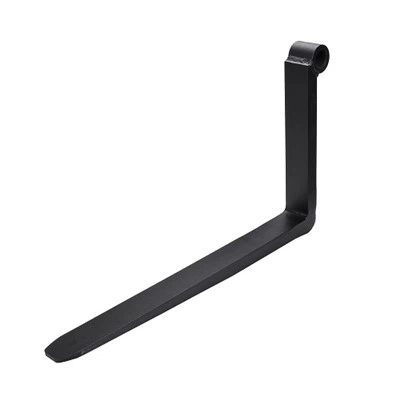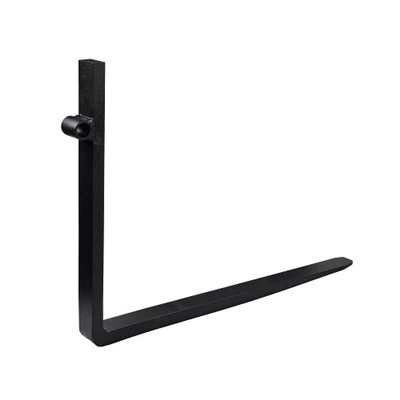
The maximum load volume for wheel loader forks is a critical consideration for both operators and businesses in industries that rely on these powerful machines for material handling. As a leading supplier of wheel loader forks, we understand the importance of this factor and are committed to providing our customers with the most accurate information and high - quality products to meet their needs.
Understanding Wheel Loader Forks
Wheel loader forks are essential attachments for wheel loaders, designed to lift, carry, and move a wide variety of materials, such as pallets, logs, and construction debris. They come in different sizes, shapes, and configurations to suit various applications and load requirements.
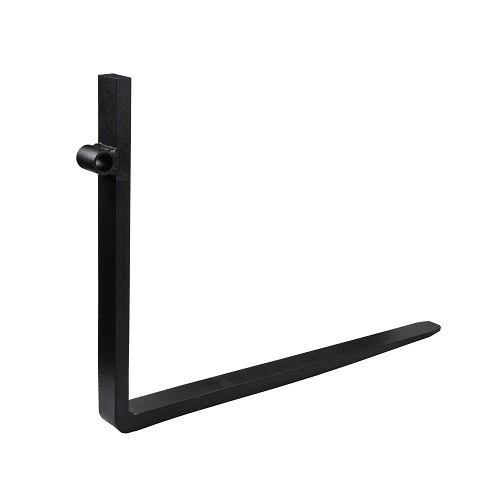
There are several types of wheel loader forks available in the market. For instance, Fork Attachments for Wheel Loaders offer versatility and can be easily attached and detached from the wheel loader. These attachments are often used in different industries, such as warehousing, agriculture, and construction. Loader Fork Tines are the actual prongs of the fork, and their design and strength play a crucial role in determining the load - carrying capacity. Wheel Loader Pallet Forks are specifically designed for handling pallets, which are common in logistics and distribution centers.
Factors Affecting the Maximum Load Volume
The maximum load volume for wheel loader forks is not a fixed value but is influenced by several factors.
Fork Design and Specifications
The design of the wheel loader forks has a direct impact on their load - carrying capacity. Forks with a larger cross - sectional area and thicker tines are generally stronger and can handle heavier loads. The length of the forks also matters. Longer forks may increase the reach but can reduce the maximum load capacity due to increased leverage and bending stress.
For example, a set of forks with a shorter length and wider tines may be better suited for heavy - duty applications where high load capacity is required. On the other hand, longer and thinner forks may be more appropriate for applications that require greater reach, such as stacking materials in high racks, but they will have a lower maximum load volume.
Wheel Loader Capacity
The capacity of the wheel loader itself is a limiting factor for the maximum load volume of the forks. A wheel loader with a higher rated operating capacity can support heavier loads on its forks. The loader's hydraulic system, engine power, and stability also play important roles.

If the wheel loader is underpowered or has a weak hydraulic system, it may not be able to lift and carry the maximum theoretical load of the forks safely. Additionally, the stability of the wheel loader is crucial. When the load is too heavy, it can cause the loader to tip forward or become unstable, which is extremely dangerous.
Material and Load Characteristics
The type of material being handled also affects the maximum load volume. Different materials have different densities and weights. For example, a load of steel bars will be much heavier than a load of foam blocks of the same volume.
The shape and distribution of the load are also important. A well - balanced and evenly distributed load is easier to handle and can be lifted to a higher capacity compared to an unevenly distributed load. Irregularly shaped loads may require special handling techniques and may reduce the effective load volume.
Calculating the Maximum Load Volume
Calculating the maximum load volume for wheel loader forks is a complex process that requires considering all the factors mentioned above.
First, you need to determine the rated capacity of the wheel loader. This information can usually be found in the loader's operator's manual. The rated capacity is the maximum weight that the loader can lift safely under ideal conditions.
Next, you need to consider the fork's load - carrying capacity. Fork manufacturers usually provide load - rating charts that specify the maximum load capacity based on the fork's design and specifications. These charts take into account factors such as fork length, tine thickness, and the type of attachment.
To calculate the maximum load volume, you need to know the density of the material being handled. The formula for calculating the weight of a material is (W = V\times D), where (W) is the weight, (V) is the volume, and (D) is the density.
For example, if you are handling a material with a density of (1000\ kg/m^{3}) and the maximum safe load for the wheel loader forks is (5000\ kg), then the maximum load volume (V=\frac{W}{D}=\frac{5000}{1000} = 5\ m^{3}). However, this is a simplified calculation, and in real - world applications, you need to consider other factors such as load distribution and the loader's stability.
Safety Considerations
Safety is of utmost importance when dealing with wheel loader forks and their maximum load volume. Overloading the forks can lead to serious accidents, including equipment damage, injuries, and even fatalities.
Operators should always follow the manufacturer's guidelines for load capacity. They should also conduct pre - operation inspections to ensure that the forks are in good condition and properly attached to the wheel loader.
When loading the forks, the load should be centered as much as possible to maintain the stability of the wheel loader. If the load is too large or irregular, additional safety measures may be required, such as using straps or chains to secure the load.
Our Offerings as a Supplier
As a supplier of wheel loader forks, we offer a wide range of products to meet different customer needs. Our forks are made from high - quality materials, such as high - strength steel, to ensure durability and reliability.
We have a team of experts who can help customers select the right forks based on their specific applications and load requirements. Whether you need Fork Attachments for Wheel Loaders for a general - purpose warehouse operation or Loader Fork Tines for heavy - duty construction work, we can provide you with the best solutions.
We also offer after - sales support, including maintenance and repair services. Our goal is to ensure that our customers can use our wheel loader forks safely and efficiently for a long time.
Contact Us for Purchase and Negotiation
If you are in the market for high - quality wheel loader forks and want to discuss your specific requirements, we encourage you to get in touch with us. Our sales team is ready to provide you with detailed product information, pricing, and any other details you may need. We believe that through open communication and negotiation, we can find the best solutions for your business. Whether you are a small - scale operator or a large - scale industrial enterprise, we are committed to serving you and helping you achieve your material - handling goals.
References
- Manufacturer's manuals for wheel loaders and forks
- Industry standards and guidelines for material handling equipment
- Technical papers on the design and performance of wheel loader forks