Hey there! As a supplier of Skid Steers Forks, I've seen firsthand how these attachments can have a big impact on a skid steer's maneuverability. So, let's dive into how skid steers forks affect the skid steer's ability to move around and get the job done.
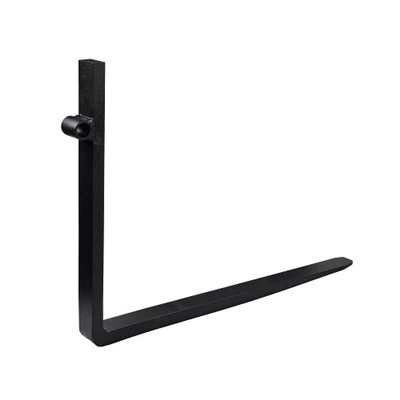
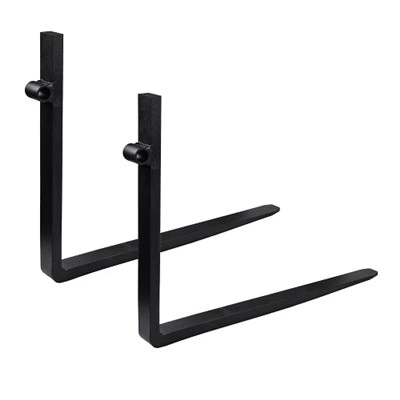
First off, what are skid steers forks? They're attachments that you can add to a skid steer to lift and move pallets, materials, and other heavy objects. There are different types of skid steers forks, like Heavy Duty Skid Steer Pallet Forks, Skid Steers Attachments forks, and Universal Pallet Forks for Skid Steer. Each type has its own features and benefits, but they all play a role in how the skid steer operates.
Weight and Balance
One of the biggest ways skid steers forks affect maneuverability is through weight and balance. When you attach forks to a skid steer, you're adding extra weight to the front of the machine. This can change the center of gravity, which in turn affects how the skid steer handles.
If the forks are too heavy or if they're not properly balanced, it can make the skid steer more difficult to control. For example, if the forks are overloaded, the skid steer might tip forward, especially when turning or going up a slope. On the other hand, if the forks are too light, it can cause the back of the skid steer to lift off the ground, reducing traction and making it harder to steer.
To ensure proper weight and balance, it's important to choose the right type and size of forks for your skid steer. You also need to make sure that the load is evenly distributed on the forks. This might involve adjusting the position of the forks or using additional counterweights if necessary.
Turning Radius
Another factor that affects maneuverability is the turning radius of the skid steer with forks attached. Skid steers are known for their ability to turn in a tight circle, but adding forks can increase the turning radius.
The length of the forks plays a big role in this. Longer forks will extend further out from the skid steer, which means you'll need more space to make a turn. This can be a problem in tight spaces, like warehouses or construction sites with limited room to maneuver.

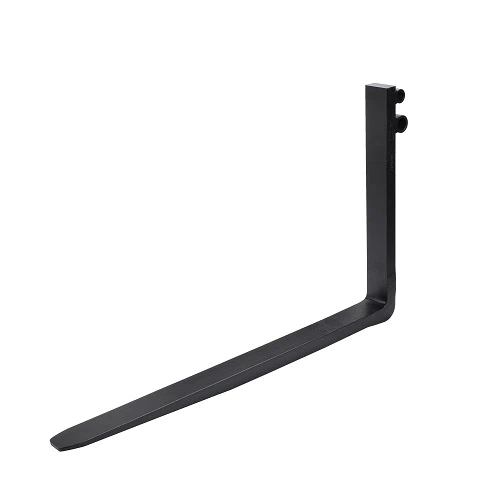
However, some skid steers forks are designed to be more compact or have adjustable lengths. These types of forks can help reduce the turning radius and make it easier to navigate in confined areas.
Visibility
Visibility is crucial when operating a skid steer, especially when using forks. The forks can block your view, making it harder to see what's in front of you. This can increase the risk of accidents, especially when working in busy or congested areas.
To improve visibility, some skid steers forks are designed with a low-profile or see-through design. These types of forks allow you to see over or through them, giving you a better view of the load and the surrounding area. You can also use mirrors or cameras to enhance your visibility.
Speed and Maneuvering Control
Skid steers forks can also affect the speed and control of the skid steer. When you're carrying a load on the forks, it can slow down the skid steer and make it more difficult to accelerate and decelerate.
The weight and size of the load can also affect how the skid steer responds to steering inputs. A heavy load can make the skid steer feel more sluggish and less responsive, while a lighter load might allow for more agile maneuvering.
To maintain control and speed, it's important to operate the skid steer at a safe and appropriate speed. You should also be aware of the limitations of the skid steer and the forks, and adjust your driving accordingly.
Compatibility with the Skid Steer
Not all skid steers forks are compatible with every skid steer. It's important to choose forks that are specifically designed for your skid steer model. Using incompatible forks can not only affect maneuverability but also cause damage to the skid steer or the forks themselves.
When selecting forks, make sure to check the specifications and compatibility requirements. You might also want to consult with a professional or the manufacturer to ensure that you're making the right choice.
Maintenance and Upkeep
Proper maintenance of the skid steers forks is essential for maintaining good maneuverability. Regularly inspect the forks for any signs of wear and tear, such as cracks, bends, or rust. Make sure to lubricate the moving parts and tighten any loose bolts or nuts.
If the forks are damaged or worn out, they can affect the performance and maneuverability of the skid steer. Replace any damaged parts as soon as possible to ensure safe and efficient operation.
Conclusion
In conclusion, skid steers forks have a significant impact on the skid steer's maneuverability. From weight and balance to turning radius, visibility, speed, and compatibility, there are many factors to consider when using forks with a skid steer.
As a supplier of Skid Steers Forks, I'm here to help you choose the right forks for your needs and ensure that you get the most out of your skid steer. If you're interested in learning more about our products or have any questions, feel free to reach out. We're always happy to assist you with your purchasing decisions and provide you with the best solutions for your skid steer applications.
References
- Skid Steer Operator's Manuals
- Industry research on skid steer attachments
- Manufacturer's specifications for skid steers forks