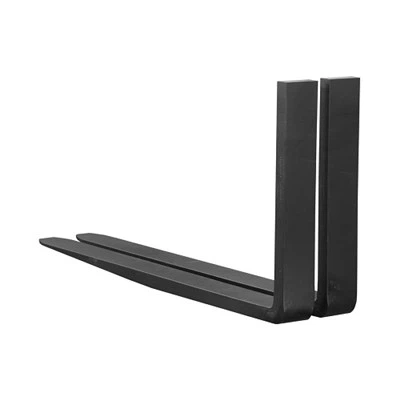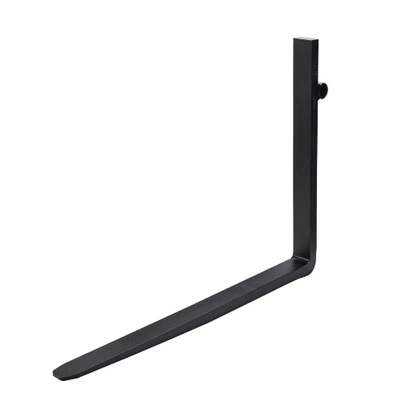
When it comes to the world of heavy - duty construction and material handling, track loader forks are an essential piece of equipment. As a supplier of track loader forks, I often get asked about the maximum lift height of these forks. In this blog, we'll explore this topic in detail, looking at the factors that influence the maximum lift height, typical ranges, and why it matters in various applications.
Factors Influencing the Maximum Lift Height of Track Loader Forks
Design of the Track Loader
The base design of the track loader itself plays a crucial role in determining the maximum lift height of the forks. Different models of track loaders are engineered with varying boom lengths and configurations. For example, some track loaders are designed with a longer boom to achieve a greater vertical reach. The geometry of the boom, including its pivot points and the angle at which it can extend, directly impacts how high the forks attached to it can go. A well - designed boom with optimized pivot points can provide a more efficient lift and a higher maximum height.
Fork Attachment Mechanism
The way the forks are attached to the track loader also affects the lift height. Some attachment systems are more compact and allow for a greater proportion of the boom's lift capacity to be used for vertical movement. On the other hand, if the attachment mechanism is bulky or has a lot of additional components, it can reduce the overall height that the forks can reach. Our Track Loader Forks are designed with a streamlined attachment system, which helps to maximize the lift height without sacrificing stability.
Hydraulic System
The hydraulic system is the power source that enables the track loader to lift the forks. The capacity and performance of the hydraulic cylinders, pumps, and valves are significant factors. A high - pressure hydraulic system with large - bore cylinders can generate more force, allowing the forks to lift heavier loads to greater heights. However, it's not just about the raw power; the efficiency of the hydraulic system also matters. A well - tuned hydraulic system can minimize energy losses and provide a smooth and consistent lift, which is essential when reaching the maximum lift height.
Weight and Load Capacity
The weight of the load being carried by the forks is inversely proportional to the maximum lift height. As the load gets heavier, the track loader has to work harder to lift it, and this may limit the height to which it can be raised. Additionally, the track loader's load capacity rating is determined by its design and engineering. Exceeding the load capacity can not only reduce the lift height but also pose a safety risk. Our Loader Fork Tines are designed to handle different load capacities, and we can provide guidance on the appropriate fork tines for your specific lifting requirements.
Typical Maximum Lift Height Ranges
The maximum lift height of track loader forks can vary widely depending on the type and model of the track loader. In general, smaller, compact track loaders may have a maximum lift height ranging from 8 to 10 feet (2.4 to 3 meters). These are often used in applications where space is limited, such as in small construction sites or landscaping projects.

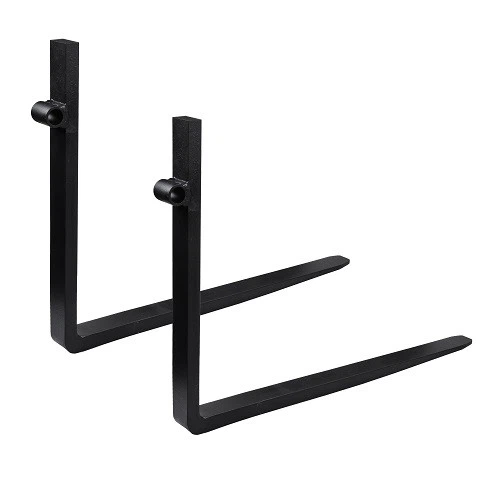
Medium - sized track loaders typically offer a maximum lift height of around 10 to 12 feet (3 to 3.6 meters). These machines strike a balance between maneuverability and lifting capacity, making them suitable for a wide range of tasks, including material handling in warehouses and light - duty construction work.
Larger, heavy - duty track loaders can achieve a maximum lift height of 12 feet (3.6 meters) or more. Some high - end models can even reach heights of up to 14 feet (4.2 meters) or higher. These are commonly used in large - scale construction projects, mining operations, and industrial settings where the need to lift heavy loads to significant heights is essential.
Importance of Maximum Lift Height in Different Applications
Construction
In the construction industry, the maximum lift height of track loader forks can be a critical factor. For example, when building multi - story structures, the ability to lift construction materials such as bricks, lumber, and steel beams to upper floors is essential. A track loader with a higher maximum lift height can save time and effort by reducing the need for additional equipment or manual labor to move materials to the required height.
Warehousing and Logistics
In warehouses, track loader forks are used to stack pallets of goods on high - rack storage systems. A greater maximum lift height allows for more efficient use of vertical space, increasing the storage capacity of the warehouse. This can lead to cost savings by reducing the need for additional warehouse space.
Landscaping
In landscaping projects, track loader forks are used to move large rocks, soil, and other materials. A higher lift height can be beneficial when placing materials on raised beds or in elevated areas. It also allows for more precise placement of materials, which is important for creating aesthetically pleasing landscapes.
How Our Track Loader Forks Can Meet Your Needs
As a supplier of track loader forks, we understand the importance of maximum lift height in different applications. Our Track Loader Forks are designed to work seamlessly with a variety of track loader models, ensuring that you can achieve the maximum lift height possible for your specific machine.
We offer a range of fork tines with different lengths and load capacities to suit your needs. Our Loader Fork Tines are made from high - quality materials, ensuring durability and reliability even in the most demanding working conditions.
In addition, our track loader forks are easy to install and remove, allowing you to quickly switch between different attachments as needed. This flexibility can increase the productivity of your track loader and make your work more efficient.
If you are interested in attaching our forks to wheel loader frames, we have a great solution. Our Forks Attach To Wheel Loader Frames are designed to provide a secure and stable connection, ensuring that you can safely lift and move heavy loads.
Contact Us for Your Track Loader Fork Needs
If you are in the market for track loader forks and want to learn more about our products, we encourage you to get in touch with us. We have a team of experts who can provide you with detailed information about our track loader forks, including their maximum lift height, load capacity, and compatibility with different track loader models.
Whether you are a small business owner looking for a cost - effective solution for your construction or landscaping projects, or a large industrial company in need of heavy - duty track loader forks, we can help. Contact us today to discuss your requirements and start the procurement process.
References
- Construction Equipment Handbook: This handbook provides detailed information on the design and specifications of track loaders and their attachments, including forks.
- Engineering Standards for Material Handling Equipment: These standards outline the guidelines for the safe and efficient operation of track loader forks, including factors related to maximum lift height.