Do Blank Forks Have a Good Balance?
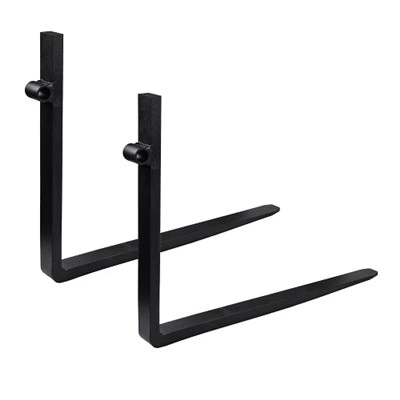
As a supplier of blank forks, I am often asked about the balance of these essential tools. Blank forks, which include Blank Forklift Forks, Universal Blank Pallet Forks, and Blank Tines, play a crucial role in various industries, especially in material handling and logistics. The balance of blank forks is not only a matter of functionality but also of safety and efficiency.
Understanding the Concept of Balance in Blank Forks
Balance in blank forks refers to the distribution of weight across the forks when they are in use. A well - balanced set of forks ensures that the load is evenly supported, reducing the risk of tipping or uneven stress on the forklift or other equipment. When a load is not properly balanced on the forks, it can lead to instability, which may cause accidents, damage to the load, or wear and tear on the equipment.
The design of blank forks is a key factor in determining their balance. Forks are typically made from high - strength steel, and their shape and dimensions are carefully engineered. The length, width, and thickness of the forks all contribute to how they distribute the weight of the load. For example, longer forks may be able to support larger loads, but they also need to be balanced to prevent the forklift from becoming top - heavy.
Factors Affecting the Balance of Blank Forks
Load Placement
One of the most significant factors affecting the balance of blank forks is the placement of the load. If the load is placed too far forward or backward on the forks, it can disrupt the balance. Operators should be trained to center the load as much as possible on the forks to ensure even weight distribution. This not only improves the balance but also reduces the stress on the forklift's mast and other components.


Fork Dimensions
The dimensions of the forks themselves play a crucial role in balance. Forks that are too short may not provide enough support for a large load, while forks that are too long can cause the forklift to become unstable. Additionally, the thickness of the forks affects their strength and ability to support the load. Thicker forks can generally handle heavier loads, but they also add more weight to the forklift, which needs to be factored into the overall balance.
Forklift Compatibility
Blank forks need to be compatible with the forklift they are used with. Different forklifts have different weight capacities and center - of - gravity requirements. Using forks that are not properly matched to the forklift can lead to balance issues. For example, if the forks are too heavy for the forklift, it may cause the forklift to tip backward, especially when the load is lifted.
Testing and Ensuring Good Balance
To ensure that blank forks have a good balance, manufacturers conduct a series of tests. These tests include static load tests, where a known weight is placed on the forks to measure the distribution of stress and the overall stability. Dynamic tests are also performed, where the forks are used to lift and move loads in a simulated working environment.
In addition to manufacturer testing, operators should also perform pre - use inspections. This includes checking for any signs of damage or wear on the forks, as well as ensuring that the forks are properly attached to the forklift. Regular maintenance and calibration of the forks are also essential to maintain their balance over time.
Benefits of Well - Balanced Blank Forks
Safety
The most obvious benefit of well - balanced blank forks is safety. A balanced load reduces the risk of accidents, such as forklift tipping or load dropping. This not only protects the operators but also the surrounding environment and other workers.
Efficiency
Well - balanced forks allow for more efficient operation. When the load is evenly distributed, the forklift can move more smoothly and quickly, reducing the time it takes to complete tasks. This can lead to increased productivity and cost savings for businesses.
Equipment Longevity
Proper balance also extends the lifespan of the forklift and the forks themselves. When the load is evenly distributed, there is less stress on the equipment, reducing the likelihood of mechanical failures and wear and tear.
Real - World Examples
In a large warehouse, a forklift operator was using a set of poorly balanced blank forks. The load was placed unevenly on the forks, causing the forklift to tip slightly during a turn. Fortunately, the operator was able to regain control, but it highlighted the importance of proper balance. After replacing the forks with a well - balanced set and ensuring proper load placement, the operator noticed a significant improvement in the forklift's stability and performance.
In another case, a manufacturing company was experiencing frequent breakdowns of their forklift due to uneven stress on the mast. After analyzing the situation, it was found that the blank forks they were using were not properly matched to the forklift's capacity. By replacing the forks with a more suitable set and ensuring proper balance, the company was able to reduce maintenance costs and improve overall efficiency.
Conclusion
In conclusion, blank forks can have a good balance if they are properly designed, used, and maintained. The balance of blank forks is essential for safety, efficiency, and equipment longevity. As a supplier of blank forks, we are committed to providing high - quality products that meet the highest standards of balance and performance.
If you are in the market for blank forks, we encourage you to contact us for a detailed discussion about your specific needs. Our team of experts can help you select the right forks for your forklift and ensure that you achieve optimal balance and performance. Whether you need Blank Forklift Forks, Universal Blank Pallet Forks, or Blank Tines, we have the expertise and products to meet your requirements.
References
- "Forklift Operator's Manual", Industrial Equipment Manufacturer's Association
- "Material Handling Safety Guidelines", Occupational Safety and Health Administration
- "Engineering Principles of Forklift Design", Journal of Material Handling Engineering