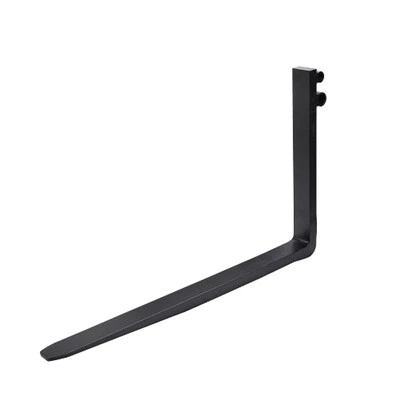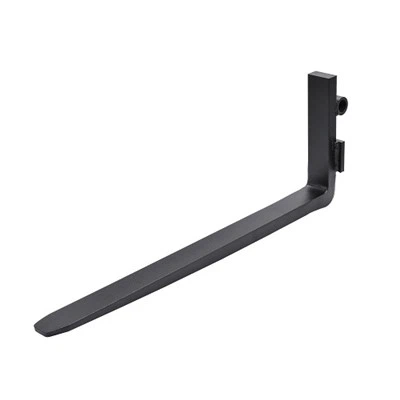
Hey there! I'm a supplier of Skid Steer Loader Forks, and today I wanna chat about how these bad boys handle soil and mulch.
Understanding Skid Steer Loader Forks
First off, let's get a basic understanding of Skid Steer Loader Forks. These are essential attachments for skid steers. They come in different shapes and sizes, but they all have one main job - to lift, move, and handle various materials. Skid Steer Loader Forks are designed to be versatile, and they can be used in a wide range of applications, from construction sites to agricultural fields.
Handling Soil with Skid Steer Loader Forks
When it comes to handling soil, Skid Steer Loader Forks are pretty handy. The forks can be used to dig into the soil, scoop it up, and move it from one place to another. One of the great things about using forks for soil handling is that they can be more precise than other attachments. For example, if you need to move a small amount of soil in a tight space, the forks can get in there and do the job without disturbing too much of the surrounding area.
The design of the forks plays a crucial role in how well they handle soil. The tines of the forks are usually made of strong, durable steel. This allows them to penetrate the soil easily and hold the soil in place while being moved. The spacing between the tines also matters. A wider spacing might be better for handling loose, sandy soil, while a closer spacing is more suitable for heavier, clay - like soil.
However, there are some challenges when using Skid Steer Loader Forks for soil handling. One issue is that the soil can stick to the forks. This can make it difficult to unload the soil and can also add extra weight to the load. To deal with this, some forks are coated with a special non - stick material. Another problem is that if the soil is too wet, it can be more difficult to scoop up and may cause the forks to sink deeper into the ground.
Handling Mulch with Skid Steer Loader Forks
Mulch is another material that Skid Steer Loader Forks can handle effectively. Mulch is often used in gardening and landscaping to retain moisture, suppress weeds, and improve the appearance of the soil. The forks can be used to pick up large piles of mulch and spread it over a large area.
One of the advantages of using forks for mulch handling is that they can handle different types of mulch, such as wood chips, bark, and straw. The tines of the forks can easily penetrate the mulch and lift it up. The forks can also be used to spread the mulch evenly over the soil. This is important because an even spread of mulch helps to ensure that the soil retains moisture and that the plants get the benefits of the mulch.
But just like with soil, there are some challenges when handling mulch. Mulch can be lightweight and can easily blow away if not handled properly. Also, if the mulch is very fine, it can get stuck between the tines of the forks. To overcome these issues, some forks are designed with a special shape or spacing to prevent the mulch from getting stuck and to make it easier to unload.
Different Types of Forks for Soil and Mulch Handling
There are different types of Skid Steer Loader Forks available for handling soil and mulch. Universal Pallet Forks for Skid Steer are a popular choice. These forks are designed to be compatible with most skid steer loaders and can be used for a variety of tasks, including handling soil and mulch. They are usually adjustable, which means you can change the width between the tines to suit different materials.
Another type is the Skid Steers Attachments forks. These forks are specifically designed to be used as attachments for skid steers. They are often made with high - quality materials and are built to last. They can be used for heavy - duty tasks, such as moving large amounts of soil or mulch.


Tips for Using Skid Steer Loader Forks with Soil and Mulch
Here are some tips to make the most out of your Skid Steer Loader Forks when handling soil and mulch.
- Proper Loading: Make sure to load the forks evenly. Uneven loading can cause the skid steer to become unstable and can also damage the forks.
- Adjust the Forks: If your forks are adjustable, adjust the width between the tines according to the type of material you are handling.
- Clean the Forks: After each use, clean the forks to remove any soil or mulch that may be stuck to them. This will help to prevent corrosion and extend the life of the forks.
- Use the Right Technique: When scooping up soil or mulch, approach the material at a slight angle. This will make it easier to penetrate the material and lift it up.
Why Choose Our Skid Steer Loader Forks
As a supplier of Skid Steer Loader Forks, I can tell you that our products are top - notch. We use high - quality materials in the manufacturing process, which means our forks are strong, durable, and can handle heavy loads. Our forks are also designed with the user in mind. They are easy to install and use, and they come with a variety of features to make your job easier.
If you're in the market for Skid Steer Loader Forks for handling soil and mulch, we'd love to have a chat with you. Whether you're a professional contractor or a DIY enthusiast, our forks can meet your needs. Don't hesitate to reach out to us to discuss your requirements and find the perfect set of forks for your skid steer.
Conclusion
Skid Steer Loader Forks are a great tool for handling soil and mulch. They offer precision, versatility, and durability. By choosing the right type of forks and following the tips mentioned above, you can make your soil and mulch handling tasks much easier and more efficient. If you have any questions or want to learn more about our Skid Steer Loader Forks, feel free to contact us. We're here to help you get the most out of your skid steer.
References
- Industry standards and best practices for skid steer loader attachments
- Manufacturer's guidelines for Skid Steer Loader Forks