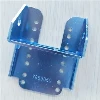

In modern design, architecture, electronics, automotive, and heavy machinery, brushed metal has become one of the most popular surface finishes for its understated elegance, durability, and fingerprint resistance. If you've ever wondered, What does brushed metal look like? - this comprehensive guide breaks down its visual characteristics, texture, color variations across different metals, and real-world industrial uses. We also explain how Joyear Metalwork applies professional brushed finishes to premium sheet metal, copper alloy, and stainless steel components, with a link to our full product lineup: https://www.joyearmetalwork.com/.
Definitive Answer: What Brushed Metal Looks Like
Brushed metal is defined by a uniform, fine linear grain pattern across its surface, created by mechanically abrading the metal with abrasive belts or brushes. Visually, it has a soft, matte metallic sheen - not mirror-bright like polished metal, but not dull like raw unfinished metal. The fine parallel lines (often called "brush lines" or "hairline finish") run consistently in one direction, giving the material a subtle, sophisticated texture that catches light gently without harsh reflections.
Unlike glossy or polished surfaces, brushed metal does not produce sharp reflections or distort surrounding objects. Instead, it diffuses light evenly, creating a calm, industrial-chic aesthetic that works for both functional industrial parts and high-end design elements. To the touch, brushed metal feels slightly textured - smooth but with a faint, uniform grain detectable by fingertips - unlike the perfectly slick feel of polished metal.
This finish is widely applied to stainless steel, aluminum, copper alloys, and structural metals, making it a staple in sheet metal fabrication, electrical components, machinery parts, and architectural hardware.
Core Visual Characteristics of Brushed Metal
To recognize brushed metal instantly, look for these five defining visual traits:
1. Consistent Unidirectional Linear Grain
The most recognizable feature is the fine, parallel lines that cover the entire surface. These lines are uniform in thickness and spacing, running vertically, horizontally, or in a single directional pattern. The lines are subtle - not deep grooves - just faint abrasion marks that create the signature brushed look.
2. Matte, Non-Reflective Sheen
Brushed metal has a low-gloss, satin finish that eliminates glare. Unlike mirror-polished metal, it does not reflect images or bright light sharply. This matte quality makes it ideal for industrial machinery, electronic enclosures, and architectural hardware where glare is undesirable.
3. Natural Metallic Color Retention
Brushing preserves the metal's original natural hue while enhancing its depth.
For example:
- Brushed stainless steel keeps its cool silver-gray tone with warm undertones
- Brushed aluminum appears soft silver with a lighter, brighter matte finish
- Brushed copper alloy retains its warm reddish-gold color with a muted, elegant glow
The finish does not cover or alter the metal's base color - it enhances it.
4. Fingerprint & Smudge Resistance
Visually, brushed metal hides fingerprints, water spots, and smudges far better than polished metal. The fine grain breaks up the appearance of marks, keeping parts looking clean even in heavy-use industrial settings. This is a major reason brushed finishes are preferred for machinery components, handles, and visible hardware.
5. Smooth Yet Textured Surface
While appearing smooth to the eye, brushed metal has a micro-textured surface that adds tactile depth. It does not feel rough or scratchy; the texture is subtle and refined, distinguishing it from both polished and rough unfinished metal.
Brushed Appearance Across Common Metals
Brushed finishes look slightly different depending on the base metal, each offering a unique visual character. Below are the most common brushed metals and their distinct looks:
1. Brushed Stainless Steel
The most widely used brushed metal, it features a silvery-gray satin finish with fine, crisp hairline lines. It has a modern, industrial look that resists corrosion and discoloration. This finish is iconic for heavy-duty hardware like Joyear's 72 Inch Stainless Steel Piano Hinges and long metal hinges, combining professional aesthetics with industrial strength.
2. Brushed Aluminum
Brushed aluminum has a bright, light silver matte appearance with softer, finer grain lines. It is lightweight and modern, often used in electronic enclosures, automotive trim, and sheet metal components. The bright silver tone adds a clean, technical look to industrial parts.
3. Brushed Copper Alloy
Brushed copper alloys (including brass and bronze) have a warm, reddish-gold or golden satin finish with subtle linear grains. The brushed tone mutes the shine of pure copper, creating a sophisticated, antique-inspired look ideal for electrical connectors, terminals, and precision stamping parts. Joyear's Copper Alloy Precision Stamping Parts use this finish for both visual appeal and functional performance.
4. Brushed Alloy Steel
Used for heavy machinery and forklift components, brushed alloy steel has a dark silver, robust satin finish with a slightly coarser grain. It balances industrial durability with a clean, professional appearance, making it suitable for visible structural parts like forklift forks and telehandler shaft parts.
Brushed Metal vs. Other Metal Finishes: Visual Comparison
To fully understand what brushed metal looks like, it helps to compare it to other common surface treatments:
Brushed vs. Polished Metal
- Polished metal is mirror-bright with zero grain and sharp reflections; brushed metal has a matte grain and diffused light. Polished shows every fingerprint; brushed hides them.
Brushed vs. Sandblasted Metal
- Sandblasted metal has a random, rough, matte texture with no directional lines; brushed has uniform parallel lines.
Brushed vs. Painted/Coated Metal
- Painted metal has a solid color layer that covers the natural metallic look; brushed metal shows the raw metal beauty with a protective grain finish.
Brushed vs. Raw Metal
- Raw metal is dull, uneven, and unrefined; brushed metal is uniform, smooth, and visually consistent.
Industrial Applications & Visual Context of Brushed Metal
Brushed metal's unique appearance makes it suitable for nearly every industry that values both function and visual consistency:
- Heavy Machinery & Forklifts: Brushed alloy steel forks and structural parts offer a clean, professional look while resisting scratches and fingerprints
- Electronics & Electrical: Brushed copper alloy terminals and aluminum enclosures provide a high-tech, clean appearance
- Construction & Architecture: Brushed stainless steel hinges, panels, and hardware deliver durable, low-maintenance aesthetics
- Automotive & Appliances: Brushed aluminum and stainless steel trim add a premium, modern feel
- Industrial Sheet Metal: Custom brushed sheet metal parts balance visual quality with industrial performance
In every case, the brushed finish elevates functional parts to look intentional, professional, and well-crafted.
Joyear Metalwork: Professional Brushed Metal Fabrication
For industrial components that demand the distinctive look and performance of brushed metal, Joyear Metalwork delivers expert surface finishing alongside precision sheet metal fabrication, stamping, and OEM/ODM manufacturing. Founded in 2008, we are a family-owned, ISO-certified manufacturer with 15+ years of experience serving global OEMs, machinery dealers, and construction clients.
Company Overview
Joyear Metalwork holds ISO 9001:2015 and ISO 14001:2004 certifications, with 5,000+ square meters of production space, 300+ skilled employees, and 100+ global partners. We specialize in brushed finishes for stainless steel, copper alloy, aluminum, and high-strength alloy steel, ensuring uniform, consistent grain patterns on every part. Our brushed metal components meet strict international standards, including ISO 2330 and ANSI/ITSDF B56.11.4 for heavy machinery.
Core Brushed Metal Products from Joyear Metalwork
Our lineup features premium brushed metal parts engineered for performance and visual appeal:
1.72 Inch Stainless Steel Piano Hinges & Long Metal Hinges
- Brushed stainless steel finish for corrosion resistance, clean aesthetics, and heavy-duty durability. Ideal for industrial cabinets, vehicles, and construction applications.
2.Copper Alloy Precision Stamping Parts
- Brushed copper alloy finish for electrical connectors, terminals, and conduction components, combining beauty with high conductivity.
3.Custom Sheet Metal Fabrication
- Brushed aluminum, stainless steel, and alloy steel parts tailored to your design, with consistent directional brushing for a professional look.
4.Prototype Sheet Metal Stamping
- Brushed finish prototyping to validate visual and functional quality before mass production.
5.Forklift Forks & Structural Components
- Brushed alloy steel finish for durability, scratch resistance, and a clean industrial appearance.
Explore our full brushed metal product range: https://www.joyearmetalwork.com/
Why Choose Joyear for Brushed Metal Parts?
- Uniform Brushed Finish: Consistent, high-quality grain patterns across all parts
- Material Versatility: Brushing for stainless steel, copper alloy, aluminum, and alloy steel
- ISO-Certified Quality: Defect-free parts with tight tolerances
- Custom OEM/ODM Solutions: Tailored brushing direction and finish intensity
- Fast Delivery: Large production capacity and stocked items for quick lead times
- Reasonable Pricing: Professional finishing without excessive costs
The Timeless Appeal of Brushed Metal
Brushed metal's enduring popularity comes from its perfect balance of visual sophistication and practical performance. It looks polished and intentional without being flashy, hides wear and fingerprints, and enhances the natural beauty of metals. Whether used on heavy machinery hinges, electrical components, or architectural hardware, brushed metal delivers a consistent, professional appearance that stands the test of time.
Unlike trendy finishes that fade, brushed metal remains a staple in industrial design and manufacturing because it prioritizes both form and function.
Conclusion
To answer What does brushed metal look like? clearly: Brushed metal features a uniform, unidirectional fine linear grain, a soft matte satin sheen, natural metallic color retention, and a subtle textured surface that diffuses light and hides fingerprints. It is visually distinct from polished, sandblasted, or painted metal, offering a clean, industrial, and timeless aesthetic.
From brushed stainless steel hinges to copper alloy electrical components, this finish enhances both the look and performance of industrial metal parts. As a leading metal fabrication partner, Joyear Metalwork specializes in high-quality brushed metal products that combine professional aesthetics with industrial durability.
For premium brushed metal components, custom sheet metal fabrication, and copper alloy stamped parts, visit Joyear Metalwork today: https://www.joyearmetalwork.com/