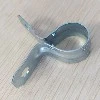

Steel is the most widely used structural metal in the world, forming the backbone of construction, machinery, automotive, electronics, and hardware industries. One of its most popular finished variants is brushed steel-a surface-treated steel widely chosen for its clean look, durability, and low maintenance. If you've ever asked, What is the difference between brushed steel and steel?, this guide gives you a complete, clear comparison: from material basics and appearance to performance, applications, and industrial value. We also introduce how Joyear Metalwork supplies high-quality brushed steel components and raw steel fabricated parts for global industrial clients, with our official website link: https://www.joyearmetalwork.com/.
Core Definitive Answer
The short version: Steel refers to the raw base metal alloy (carbon steel, stainless steel, alloy steel) with no protective or decorative surface treatment. Brushed steel is steel-almost always stainless steel-that has undergone a mechanical brushing process to create a fine, directional linear grain finish. Brushed steel is not a separate metal; it is a finished version of steel, with improved appearance, corrosion resistance, and practicality for visible or heavy-use parts.
All brushed steel starts as standard steel, but not all steel is brushed. The difference lies entirely in surface treatment, visual texture, performance properties, and intended use.
1. Fundamental Definitions: Steel vs. Brushed Steel
What Is Steel?
Steel is an alloy of iron and carbon, often mixed with other elements (chromium, nickel, manganese, molybdenum) to enhance strength, hardness, or corrosion resistance. It includes three main categories for industrial use:
- Carbon steel: Basic steel with low corrosion resistance, used for internal structural parts.
- Stainless steel: Steel with ≥10.5% chromium, highly corrosion-resistant (304, 316L grades).
- Alloy steel: High-strength steel for heavy machinery like forklift forks.
Raw or unfinished steel has a dull, inconsistent gray surface, mill scale, or slight oxidation. It has no decorative or enhanced protective finish and is primarily used for non-visible, structural, or machined parts.
What Is Brushed Steel?
Brushed steel is created by mechanically abrading the surface of steel (nearly always stainless steel) with fine abrasive belts or brushes. This process removes mill scale, polishes lightly, and leaves a uniform, unidirectional satin grain across the surface. It is a cosmetic and functional finish, not a new metal.
Brushed steel retains all the structural strength of the base steel while gaining aesthetic and practical improvements. It is the most common finish for stainless steel hardware, enclosures, hinges, and machinery parts.
2. Key Differences Between Brushed Steel and Steel
The table below summarizes the core contrasts, followed by detailed explanations for industrial and design buyers.
| Category | Standard Steel (Raw/Unfinished) | Brushed Steel |
|---|---|---|
| Material Base | Base iron-carbon alloy (carbon, stainless, alloy steel) | Same base steel (mostly 304/316 stainless steel) |
| Surface Finish | Dull, rough, inconsistent, mill marks, no texture | Uniform fine linear grain, satin matte sheen |
| Appearance | Industrial gray, unrefined, no visual appeal | Modern, clean, fingerprint-resistant, professional |
| Corrosion Resistance | Low to moderate (carbon steel rusts easily) | Improved due to removed surface impurities |
| Wear & Scratch Resistance | Prone to scratches, oxidation, and wear | Hides scratches better; more durable for visible parts |
| Maintenance | High (needs painting/oiling to prevent rust) | Low (wipes clean, no coating required) |
| Cost | Lower (no secondary processing) | Slightly higher (includes brushing finish) |
| Main Uses | Internal structural parts, hidden components | Visible hardware, enclosures, hinges, machinery exteriors |
Detailed Breakdown of Differences
1.Surface Appearance & Texture
- Raw steel has a flat, dull, uneven surface with mill lines, slight discoloration, or oxidation. It reflects no light and has no consistent texture.
- Brushed steel has a soft, matte satin sheen with fine, parallel linear grains running in one direction. It diffuses light evenly, avoids harsh glare, and looks polished but not flashy-ideal for professional industrial and architectural parts.
2.Corrosion & Oxidation Resistance
- Unfinished carbon steel rusts quickly in moisture or humidity. Unfinished stainless steel has natural corrosion resistance but retains surface impurities that can cause spotting.
- Brushing removes surface contaminants and creates a uniform layer that boosts corrosion resistance in stainless steel. Brushed 304 and 316 steel resist rust, water spots, and stains far better than unfinished steel.
3.Fingerprint & Smudge Resistance
- Raw steel shows fingerprints, oil marks, and dirt clearly and is hard to clean.
- Brushed steel's linear grain hides fingerprints, smudges, and minor scratches-a critical advantage for machinery, handles, hinges, and public-use hardware.
4.Durability & Wear Life
- Raw steel's soft, unfinished surface scratches and deforms easily.
- Brushed steel's treated surface is more resistant to surface wear and maintains its appearance longer in high-use environments.
5.Maintenance Requirements
- Unfinished steel requires painting, powder coating, or oiling to prevent corrosion.
- Brushed steel needs only occasional wiping-no coatings or frequent upkeep.
6.Cost
- Raw steel costs less because it has no secondary finishing process.
- Brushed steel adds a small cost for the mechanical brushing step, but the long-term savings in maintenance and replacement make it cost-effective.
3. Industrial Applications: When to Use Brushed Steel vs. Steel
Standard Unfinished Steel Uses
Raw steel is ideal for non-visible, structural, or internal parts where appearance does not matter:
- Internal machinery frames
- Hidden structural supports
- Forklift components that are painted or coated
- Industrial parts that will be welded, machined, or covered
Brushed Steel Uses
Brushed steel is used for visible, high-use, or aesthetic industrial parts:
- Stainless steel hinges (72-inch piano hinges, long metal hinges)
- Electrical enclosures and paneling
- Construction hardware
- Heavy machinery exterior components
- Automotive and appliance trim
- Public infrastructure and furniture
Brushed steel combines steel's strength with a professional, clean finish that lasts for years.
Joyear Metalwork: Premium Brushed Steel & Steel Fabrication Solutions
For industrial clients needing high-quality brushed steel components or precision-fabricated raw steel parts, Joyear Metalwork is a trusted family-owned manufacturer with 15+ years of experience serving OEMs, machinery dealers, and construction companies worldwide.
Company Overview
Founded in 2008, Joyear Metalwork holds ISO 9001:2015 and ISO 14001:2004 certifications. We operate 5,000+ square meters of production space, employ 300+ skilled workers, and partner with 100+ global enterprises. We specialize in sheet metal fabrication, ODM & OEM manufacturing, precision stamping, and surface finishing-including professional brushed steel treatment for stainless steel and alloy steel components.
Our products meet or exceed ISO 2330 and ANSI/ITSDF B56.11.4 standards, ensuring reliable performance for heavy machinery, construction, electronics, and automotive applications.
Core Steel & Brushed Steel Products
We supply a full range of steel-based components, with brushed steel options for visible, high-quality parts:
1.72 Inch Stainless Steel Piano Hinges & Long Metal Hinges
- Our flagship brushed steel product: heavy-duty stainless steel hinges with a uniform brushed finish, corrosion-resistant, durable, and ideal for industrial cabinets, vehicles, and construction projects.
2.Custom Sheet Metal Fabrication
- Brushed steel enclosures, panels, and structural parts, plus unfinished steel components for internal machinery use.
3.Forklift Forks & Heavy Machinery Parts
- High-strength alloy steel (raw or finished) for telehandler shaft forks, blank forklift forks, and load-bearing components.
4.Copper Alloy & Steel Precision Stamping Parts
- Brushed and unfinished metal components for electrical, automotive, and electronics applications.
5.Prototype Sheet Metal Stamping
- Rapid prototyping in both brushed steel and raw steel for design validation.
Explore our full product lineup: https://www.joyearmetalwork.com/
Why Choose Joyear Metalwork?
- Professional Brushed Finish: Uniform, consistent grain on all brushed steel parts
- ISO-Certified Quality: Defect-free components with tight tolerances
- Custom ODM/OEM: Tailored steel types and finishes to match your needs
- Fast Delivery: Large production capacity and stocked items for quick lead times
- Reasonable Pricing: Competitive costs for both brushed steel and raw steel parts
- Full-Service Support: Pre-sales, in-sale, and after-sales service for all projects
4. Common Misconceptions About Brushed Steel vs. Steel
Misconception 1: Brushed steel is a different metal
- Fact: Brushed steel is standard stainless steel with a surface finish-no change to the base alloy.
Misconception 2: Brushed steel is stronger than raw steel
- Fact: Brushed steel has the same structural strength as the base steel; only surface performance improves.
Misconception 3: All steel can be brushed
- Fact: Brushing is almost exclusively used on stainless steel; carbon steel is rarely brushed because it still requires corrosion protection.
Conclusion
To answer What is the difference between brushed steel and steel? clearly:
- Steel is the raw, unfinished base metal alloy used for structural and internal parts.
- Brushed steel is stainless steel with a mechanical abrasive finish that improves appearance, corrosion resistance, and low-maintenance performance.
Brushed steel is not a new metal-it is a smarter, more practical version of steel for visible, heavy-use industrial components. It retains all the strength of steel while adding professional aesthetics and long-term durability.
As a leading metal fabrication partner, Joyear Metalwork provides premium brushed steel hinges, custom sheet metal parts, forklift components, and precision-stamped products to meet your industrial needs. Whether you need raw steel for structural use or brushed steel for high-quality visible parts, we deliver consistent, certified, and cost-effective solutions.
For professional brushed steel components and precision steel fabrication, visit Joyear Metalwork today: https://www.joyearmetalwork.com/