
In the world of manufacturing, construction, plumbing, and industrial engineering, stainless steel fittings are ubiquitous yet often underappreciated components that keep systems running smoothly. These small but critical parts serve as the backbone of fluid and gas transfer systems, structural assemblies, and equipment installations, ensuring leak-proof connections, corrosion resistance, and long-term durability. But what exactly are stainless steel fittings, and why have they become the preferred choice for professionals across industries?
As a leading manufacturer of precision metal components with over 15 years of experience, Joyear Metalwork specializes in producing high-quality stainless steel fittings-including SS304 continuous hinges, precision stamping parts, and custom metal components-that meet the rigorous demands of global clients. This comprehensive guide will break down everything you need to know about stainless steel fittings, from their core definition and key characteristics to their types, manufacturing processes, applications, and how to choose the right fittings for your project.
1. Defining Stainless Steel Fittings: What Are They?
Stainless steel fittings are mechanical components designed to connect, join, or adapt sections of pipes, tubes, hoses, or structural elements made from stainless steel (or compatible materials). Unlike generic metal fittings, stainless steel variants are crafted from alloy steel containing a minimum of 10.5% chromium, which forms a passive oxide layer on the surface. This layer acts as a protective barrier against rust, corrosion, and oxidation-making stainless steel fittings ideal for harsh environments where other metals (such as carbon steel or brass) would degrade quickly.
The primary purpose of stainless steel fittings is to ensure secure, leak-tight connections while maintaining the integrity of the overall system. They come in a wide range of shapes, sizes, and configurations to accommodate different applications, from simple pipe joints in residential plumbing to complex structural connections in industrial machinery. At Joyear Metalwork, we engineer our stainless steel fittings to meet international standards (including ISO 9001:2015 and ISO 14001:2004), ensuring consistency, reliability, and performance across every batch. Our product lineup includes both standard fittings and custom solutions tailored to OEMs, attachment manufacturers, and industrial clients worldwide-you can explore our full range at https://www.joyearmetalwork.com/.
2. Key Characteristics of Stainless Steel Fittings
Stainless steel fittings stand out from other metal fittings due to their unique combination of properties, which make them suitable for a diverse array of applications. Below are the most notable characteristics that drive their popularity:
2.1 Corrosion Resistance
The chromium content in stainless steel is the primary reason for its exceptional corrosion resistance. When exposed to oxygen, chromium forms a thin, invisible oxide layer that repairs itself if scratched or damaged-preventing rust and degradation even in humid, salty, or chemical-rich environments. This makes stainless steel fittings far superior to carbon steel fittings (which rust easily) or brass fittings (which corrode in acidic conditions). For example, Joyear Metalwork's SS304 continuous hinges are made from 304 stainless steel (18-20% chromium, 8-10.5% nickel), making them ideal for outdoor construction projects or industrial equipment that faces constant exposure to moisture.
2.2 Durability and Longevity
Stainless steel is inherently strong and resistant to wear, impact, and high temperatures. Stainless steel fittings can withstand extreme pressure (up to 10,000 PSI in some industrial grades) and temperature ranges from -270°C to 870°C, depending on the alloy grade. This durability translates to a long service life-often 20-50 years or more-reducing the need for frequent replacements and maintenance costs. For businesses, this means lower total ownership costs over time. Joyear Metalwork's stainless steel precision stamping parts, for instance, are used in automotive and electronics manufacturing because they maintain their shape and performance even after years of heavy use.
2.3 Hygiene and Cleanliness
Stainless steel is non-porous, which means it does not absorb bacteria, mold, or contaminants. This makes stainless steel fittings the top choice for industries with strict hygiene requirements, such as food and beverage processing, pharmaceuticals, and medical equipment. Unlike plastic fittings (which can harbor bacteria) or copper fittings (which may leach metals), stainless steel fittings are easy to clean and sanitize-complying with FDA and EU food safety standards. Joyear Metalwork works with food processing clients to produce custom stainless steel fittings that meet these rigorous hygiene guidelines.
2.4 Versatility and Compatibility
Stainless steel fittings are compatible with a wide range of fluids and gases, including water, oil, chemicals, steam, and natural gas. They can also be used with various pipe materials, such as stainless steel, copper, PVC, and aluminum (with appropriate adapters). This versatility makes them suitable for cross-industry applications, from residential plumbing to offshore oil rigs. Additionally, stainless steel fittings can be fabricated into countless shapes-elbows, tees, couplings, flanges, hinges, and more-to fit specific system designs.
3. Common Types of Stainless Steel Fittings
Stainless steel fittings come in dozens of types, each designed for a specific purpose. The most common categories include:
3.1 Pipe and Tube Fittings
These fittings are used to connect pipes and tubes in fluid or gas transfer systems. Key types include:
- Couplings: Used to join two straight sections of pipe or tube. Joyear Metalwork produces stainless steel couplings for industrial piping systems, ensuring leak-proof connections even under high pressure.
- Elbows: Available in 45°, 90°, or 180° angles, elbows change the direction of pipe runs. They are commonly used in plumbing, HVAC, and chemical processing systems.
- Tees: Shaped like the letter "T," tees split a pipe into two branches or combine two pipes into one. They are essential for distribution systems (e.g., water supply lines in buildings).
- Flanges: Flat, disc-shaped fittings that connect pipes to valves, pumps, or tanks. Flanges allow for easy disassembly and maintenance, making them popular in industrial settings.
- Reducers: Connect pipes of different diameters, ensuring smooth fluid flow between sections of varying sizes.
3.2 Structural Fittings
These fittings are used to join structural components in construction, automotive, and industrial equipment. Examples include:
- Hinges: Joyear Metalwork's signature SS304 /continuous hinge (also known as a piano hinge) is a structural fitting used in doors, cabinets, industrial enclosures, and construction equipment. Made from 304 stainless steel, it offers smooth operation and corrosion resistance for both indoor and outdoor use. You can learn more about this product on our website: https://www.joyearmetalwork.com/.
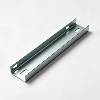
- Clamps and Brackets: Used to secure pipes, wires, or components in place. Stainless steel clamps are ideal for marine or chemical environments where corrosion is a concern.
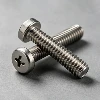
- Fasteners: Bolts, nuts, washers, and screws made from stainless steel, designed to hold structural components together securely.
3.3 Specialized Fittings
These fittings are engineered for specific industries or applications, such as:
- Medical Fittings: Used in medical devices and equipment, these fittings are made from high-purity stainless steel (e.g., 316L) to meet biocompatibility standards.
- Marine Fittings: Designed for saltwater environments, these fittings (often made from 316 stainless steel) resist pitting and corrosion from seawater.
- Food Processing Fittings: Sanitary fittings (e.g., tri-clamps) that are easy to clean and comply with food safety regulations.
4. Stainless Steel Alloy Grades for Fittings
Not all stainless steel fittings are the same-they are made from different alloy grades, each with unique properties. The most common grades used for stainless steel fittings are:
4.1 304 Stainless Steel
304 (also called 18/8 stainless steel) is the most widely used grade for stainless steel fittings. It contains 18-20% chromium and 8-10.5% nickel, with no molybdenum. 304 stainless steel fittings offer good corrosion resistance in mild environments (e.g., indoor plumbing, dry industrial settings) and are cost-effective. Joyear Metalwork uses 304 stainless steel for most of its standard products, including continuous hinges and precision stamping parts, because it balances performance and affordability.
4.2 316 Stainless Steel
316 stainless steel adds 2-3% molybdenum to the 304 formula, enhancing its corrosion resistance-especially against chloride ions (found in saltwater, bleach, and some chemicals). 316 stainless steel fittings are ideal for marine, chemical, and food processing applications. While more expensive than 304, they offer superior durability in harsh environments. Joyear Metalwork produces custom 316 stainless steel fittings for clients in the offshore and chemical industries.
4.3 304L and 316L
These are low-carbon variants of 304 and 316 stainless steel. The "L" stands for "low carbon" (max 0.03% carbon content), which improves weldability and reduces the risk of corrosion near weld joints. 304L and 316L fittings are commonly used in industrial applications where welding is required.
5. Manufacturing Processes for Stainless Steel Fittings
The production of high-quality stainless steel fittings requires precision manufacturing processes to ensure consistency, strength, and leak-proof performance. At Joyear Metalwork, we use state-of-the-art equipment and proven techniques to produce our fittings, including:
5.1 Stamping
Stamping is a cost-effective process for mass-producing small to medium-sized fittings (e.g., hinges, clamps, fasteners). It involves using a press to shape stainless steel sheets or coils into the desired form. Joyear Metalwork's 5,000+ square meter production facility is equipped with advanced stamping machines that can produce up to 1 million precision stamping parts per month-ensuring fast turnaround for OEM clients.
5.2 Forging
Forging involves heating stainless steel to high temperatures and shaping it using pressure (hammers or presses). Forged fittings (e.g., flanges, valves) are stronger and more durable than stamped fittings, making them suitable for high-pressure and high-temperature applications. Joyear Metalwork uses closed-die forging to produce heavy-duty stainless steel fittings for industrial machinery.
5.3 Machining
Machining (e.g., turning, milling, drilling) is used to create complex fittings with tight tolerances (e.g., threaded fittings, custom adapters). Joyear Metalwork's team of skilled machinists uses CNC machines to ensure precision and consistency-critical for applications where even small errors can cause leaks or system failure.
5.4 Welding
Welding is used to join multiple stainless steel components into a single fitting (e.g., welded elbows, tees). It requires specialized techniques to prevent corrosion near weld joints (e.g., using low-carbon grades like 316L). Joyear Metalwork's welders are certified to international standards, ensuring high-quality welds that meet industry requirements.
6. Applications of Stainless Steel Fittings
Stainless steel fittings are used in almost every industry due to their versatility, durability, and corrosion resistance. Below are the most common application areas:
6.1 Construction
In construction, stainless steel fittings are used for plumbing, HVAC, structural connections, and exterior components. Joyear Metalwork's SS304 continuous hinge is widely used in commercial buildings, hospitals, and industrial facilities because it can withstand heavy use and outdoor exposure without rusting. Other construction applications include handrails, door hardware, and pipe systems for water and gas.
6.2 Automotive and Transportation
Stainless steel fittings are used in cars, trucks, buses, and trains for exhaust systems, fuel lines, brake lines, and structural components. They resist corrosion from road salt, oil, and chemicals-extending the lifespan of vehicles. Joyear Metalwork supplies stainless steel precision stamping parts to leading automotive manufacturers worldwide.
6.3 Food and Beverage Processing
Hygiene is critical in food processing, making stainless steel fittings the only viable option. They are used in pipes, valves, pumps, and conveyors for processing, storing, and transporting food and beverages. Joyear Metalwork's food-grade stainless steel fittings comply with FDA and EU standards, ensuring safety and cleanliness.
6.4 Marine and Offshore
Marine environments are highly corrosive due to saltwater, so 316 stainless steel fittings are the standard. They are used in boat hulls, deck hardware, piping systems, and offshore oil platforms. Joyear Metalwork produces custom marine-grade fittings that resist pitting and corrosion in harsh saltwater conditions.
6.5 Medical and Pharmaceutical
Stainless steel fittings are used in medical devices (e.g., surgical instruments, diagnostic equipment) and pharmaceutical manufacturing (e.g., drug delivery systems, cleanrooms). They are biocompatible, easy to sterilize, and resistant to chemicals used in medical procedures.
6.6 Electronics
In the electronics industry, stainless steel fittings are used for enclosures, heat sinks, and connectors. They provide electromagnetic shielding and resist corrosion from humidity and chemicals used in electronics manufacturing. Joyear Metalwork's precision stamping parts are used in smartphones, computers, and industrial electronics.
7. How to Choose the Right Stainless Steel Fittings
Selecting the right stainless steel fittings for your project requires considering several key factors. Here's a step-by-step guide:
7.1 Define Your Application Requirements
Consider the environment (e.g., indoor, outdoor, saltwater, chemical exposure), temperature, pressure, and fluid/gas type. For mild environments, 304 stainless steel fittings are sufficient. For harsh or corrosive environments, choose 316 or 316L.
7.2 Choose the Right Alloy Grade
As discussed earlier, 304 is cost-effective for general use, 316 for corrosion resistance, and 304L/316L for welding applications. Consult with a manufacturer like Joyear Metalwork to determine the best grade for your needs.
7.3 Select the Correct Type and Size
Ensure the fitting type (e.g., coupling, elbow, hinge) matches your system design, and the size (e.g., pipe diameter, thread type) is compatible with your existing components. Joyear Metalwork offers custom sizing for OEM clients.
7.4 Verify Quality and Certifications
Choose fittings from a manufacturer with ISO certifications (e.g., ISO 9001:2015) to ensure quality and consistency. Joyear Metalwork's products meet international standards, including ISO 2330 and ANSI/ITSDF B56.11.4, and undergo rigorous testing before shipment.
7.5 Consider Cost and Long-Term Value
While 316 fittings are more expensive than 304, they offer better long-term value in corrosive environments due to their longer lifespan. Joyear Metalwork provides competitive pricing for both standard and custom fittings, balancing quality and cost.
8. Why Choose Joyear Metalwork for Stainless Steel Fittings?
When it comes to sourcing high-quality stainless steel fittings, Joyear Metalwork is a trusted partner for businesses worldwide. Here's what sets us apart:
8.1 Proven Expertise and Experience
Founded in 2008, Joyear Metalwork has over 15 years of experience in precision metal fabrication. We are a family-owned business with 300+ skilled employees and 100+ global partners, including renowned OEMs and industrial manufacturers.
8.2 Comprehensive Product Range
We offer a wide range of stainless steel fittings, including continuous hinges, precision stamping parts, blank forklift forks, telehandler shaft forks, and custom components. Our ability to produce both standard and custom fittings makes us a one-stop shop for all your metal component needs.
8.3 Strict Quality Control
We hold ISO 9001:2015 (quality management) and ISO 14001:2004 (environmental management) certifications. Every fitting undergoes rigorous testing, including corrosion resistance tests, pressure tests, and dimensional checks, to ensure defect-free performance.
8.4 Customization and ODM/OEM Services
We specialize in ODM and OEM services, working closely with clients to design and produce custom stainless steel fittings that meet their unique requirements. Our collaborative design process and rapid prototyping capabilities enable us to launch new products quickly and efficiently.
8.5 Reliable Delivery and Service
Our large production capacity and global logistics network ensure timely delivery to destinations worldwide. We provide exceptional pre-sale, in-sale, and after-sale service, with a dedicated team to answer your questions and resolve any issues.
Conclusion
Stainless steel fittings are essential components that play a critical role in ensuring the reliability, durability, and safety of systems across industries. From their corrosion-resistant properties and hygienic design to their versatility and long lifespan, stainless steel fittings offer numerous advantages over other metal fittings. When choosing stainless steel fittings for your project, it's important to select the right alloy grade, type, and size-and partner with a reputable manufacturer like Joyear Metalwork.
At Joyear Metalwork, we are committed to providing high-quality stainless steel fittings that meet the highest international standards. Whether you need standard SS304 continuous hinges, custom 316 marine-grade fittings, or precision stamping parts for OEM applications, we have the expertise and capacity to deliver. Contact us today to discuss your requirements and get a customized quote.