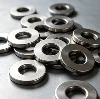

In precision CNC machining, material selection directly shapes production efficiency, tool life, surface quality, dimensional stability, and per-unit cost. Among non-ferrous metals, brass and pure copper are two of the most widely used choices for electronics, automotive parts, hardware, fittings, and industrial components. A critical question for engineers, buyers, and production managers is: Is brass better than copper for CNC machining?
The clear, industry-proven answer is yes-brass is significantly better than pure copper for nearly all CNC machining applications. Brass alloys deliver superior machinability, cleaner chip breaking, lower tool wear, faster cutting speeds, and tighter tolerance control. Pure copper (often called oxygen-free copper or electrolytic copper) excels only in electrical and thermal conductivity, but it suffers from severe machining challenges that raise costs and reduce consistency.
As an ISO 9001:2015 and ISO 14001:2004 certified manufacturer with 15+ years of expertise in CNC machining, sheet metal fabrication, and precision stamping, Joyear Metalwork regularly processes both brass and copper for global OEMs, attachment manufacturers, and industrial clients. Our 5,000+ square‑meter production facility, 300+ skilled technicians, and advanced CNC equipment enable us to produce high-precision parts including copper alloy precision stamping parts, PCB welding terminals, long metal hinges, and custom components with reliable performance and cost efficiency.
In this guide, we compare brass and pure copper side by side for CNC machining, explain why brass outperforms copper, outline ideal use cases, and show how Joyear Metalwork optimizes production for both materials.
Fundamental Material Differences: Brass vs. Pure Copper
Before comparing machining performance, it is essential to understand their basic compositions:
- Brass: An alloy of copper and zinc, often with small additions of lead, silicon, or bismuth to improve machinability. Common grades include C36000 (free-cutting brass), C26000 (cartridge brass), and C48500 (naval brass).
- Pure Copper: 99.9% copper or higher, with no alloying elements. The most common grade is C11000 (electrolytic tough pitch copper), valued for unmatched electrical and thermal conductivity.
Alloying in brass transforms its mechanical and machining behavior, making it far more suitable for CNC turning, milling, drilling, tapping, and profiling.
CNC Machinability: Brass vs. Copper Head-to-Head Comparison
Machinability measures how easily a metal can be cut while maintaining tool life, surface finish, and dimensional accuracy. Below is a detailed comparison of the two materials under real-world CNC conditions:
1. Machinability Rating
- Brass leads by a wide margin. Free-cutting brass such as C36000 has a machinability rating of 100% (the industrial benchmark). Pure copper scores only 20–30% on the same scale, meaning it is extremely difficult to machine efficiently.
2. Chip Control
- Brass produces short, crisp, manageable chips that evacuate smoothly from the cutting zone. Lead or bismuth in free-cutting grades acts as an internal lubricant and chip breaker, eliminating tangling and clogging. Pure copper forms long, stringy, sticky chips that wrap around tools, block flutes, and scratch finished surfaces. Continuous chips require frequent machine stops and increase the risk of tool breakage.
3. Tool Wear
- Brass is soft, non-abrasive, and gentle on cutting tools. Tool life when machining brass is 3–5 times longer than when machining pure copper, reducing replacement costs and downtime. Pure copper is highly adhesive and causes severe built-up edge (BUE). Copper particles weld to tool edges, dulling cutters rapidly and ruining surface quality.
4. Cutting Speed & Production Efficiency
- Brass supports high spindle speeds and feed rates-up to 200–300 m/min for roughing and 300–500 m/min for finishing with PCD tools. Faster cycles mean higher throughput and lower labor costs. Pure copper requires much slower speeds (100–200 m/min) to reduce adhesion and deformation. Slow speeds drastically reduce production efficiency.
5. Surface Finish & Dimensional Tolerance
- Brass delivers smooth, consistent surface finishes (Ra 0.4–0.8 μm) with minimal secondary processing. It holds tight tolerances of ±0.01 mm or better even in high-volume runs. Pure copper often has rough, marred surfaces due to BUE and chip drag. Its softness causes deflection during cutting, making tight tolerances difficult to maintain.
6. Thermal & Deformation Issues
- Both materials conduct heat well, but pure copper's ultra-high thermal conductivity can cause uneven cooling and warping in thin parts. Brass is more dimensionally stable during machining.
This comparison confirms why brass is the preferred choice for CNC machining across industries.
Key Advantages of Brass Over Pure Copper in CNC Machining
- Unmatched Chip Breaking: Free-cutting additives eliminate stringy chips and keep processes stable.
- Longer Tool Life: Lower friction and adhesion reduce tooling expenses significantly.
- Faster Cycle Times: Higher cutting speeds boost productivity and lower per-part costs.
- Superior Surface Finish: Less post-processing (polishing, grinding) saves time and labor.
- Tighter Tolerance Control: Better stability supports precision components for electronics and machinery.
- Lower Overall Production Cost: The combination of speed, tool life, and consistency makes brass far more economical.
When to Choose Pure Copper Instead of Brass
Pure copper is not ideal for machining, but it is irreplaceable in applications where electrical or thermal conductivity is the top priority:
- High-current electrical connectors, busbars, and PCB welding terminals
- Heat sinks, thermal exchangers, and cooling components
- Electrical contacts and welding electrodes
- Industrial parts requiring 100% IACS conductivity
In these cases, Joyear Metalwork uses specialized tooling, optimized speeds, and lubrication to overcome copper's machining challenges while meeting performance requirements.
Most Popular Grades for CNC Machining
Top Brass Grades
- C36000 Free-Cutting Brass: Best overall for CNC; ideal for high-volume parts, fittings, and mechanical components.
- C26000 Cartridge Brass: General-purpose alloy with balanced strength and machinability.
- C48500 Naval Brass: Corrosion-resistant for marine and outdoor applications.
Top Pure Copper Grade
- C11000 Electrolytic Copper: Best for conductivity; used exclusively when electrical or thermal performance is critical.
CNC Machining Brass & Copper at Joyear Metalwork
Founded in 2008, Joyear Metalwork is a family-owned, industry-leading manufacturer specializing in CNC machining, sheet metal fabrication, precision metal stamping, and custom ODM/OEM solutions. We serve more than 100 global partners, including forklift dealers, automotive suppliers, and electronics manufacturers, with strict quality control and reliable delivery.
Our core capabilities for brass and copper include:
- Precision CNC turning and milling for complex components
- High-volume production of copper alloy precision stamping parts and electrical connectors
- Micro-drilling and tapping for PCB welding terminals and thin-wall parts
- Sheet metal processing for enclosures, brackets, and 72-inch stainless steel piano hinges
- Full design optimization, prototyping, and collaborative engineering
- ISO-certified quality assurance to ensure zero defects and tight tolerances
- Competitive pricing and fast global delivery
We leverage premium solid carbide tools, high-pressure coolant systems, and custom programming to machine both brass and copper efficiently. For brass, we maximize speed and cost savings; for copper, we minimize adhesion, deformation, and tool wear to deliver consistent, high-quality parts.
Whether you need cost-effective brass components or conductivity-focused copper parts, Joyear Metalwork delivers professional results tailored to your project. Explore our full product lineup at https://www.joyearmetalwork.com/.
How to Choose Between Brass and Copper for Your CNC Project
Use this simple decision framework:
- Choose brass if you need: High machining efficiency, low tooling cost, tight tolerances, smooth finish, or general industrial performance.
- Choose pure copper only if you require: Maximum electrical conductivity, extreme thermal conductivity, or specialized electronic performance.
For most CNC machining projects, brass provides the best balance of performance, cost, and manufacturability.
Conclusion
To answer the question Is brass better than copper for CNC machining? definitively: Yes-brass is vastly superior for the vast majority of CNC machining applications. Its exceptional machinability, fast cutting speeds, excellent chip control, long tool life, and low production costs make it the top choice for precision parts across electronics, automotive, hardware, and heavy industry. Pure copper remains essential only when unmatched electrical or thermal conductivity is non-negotiable, despite its difficult machining characteristics.
At Joyear Metalwork, we combine 15+ years of metalworking expertise, ISO-certified quality systems, and advanced CNC equipment to deliver reliable, cost-effective solutions for both brass and copper components. Whether you need mass-produced brass fittings or precision-machined copper conductors, we ensure your project meets performance, budget, and timeline requirements.
For professional CNC machining, sheet metal fabrication, or precision stamping services, trust Joyear Metalwork-your reliable partner for industrial-quality metal components.