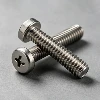
Whether you're a professional tradesperson in construction, automotive repair, or electronics manufacturing, or a DIY enthusiast tackling a home project, there's a common challenge: dealing with a steel screw that's too long. Using an overlong steel screw can damage materials, compromise structural integrity, or render a project unsafe. Cutting a steel screw requires the right tools, techniques, and safety precautions-especially since steel is a hard, durable alloy that demands precision to avoid stripping threads or weakening the fastener.
At Joyear Metalwork, a leading manufacturer of precision metal components since 2008, we specialize in high-quality steel products-from forklift forks and sheet metal fabrications to PCB welding terminals and SS304 continuous hinges. Our ISO 9001:2015 and ISO 14001:2004 certified processes ensure that every steel component meets strict industry standards (ISO 2330, ANSI/ITSDF B56.11.4), so we understand the properties of steel and how to work with it safely. In this comprehensive guide, we'll walk you through the best methods to cut a steel screw, avoid common mistakes, and ensure your finished fastener performs as intended.
Why Cutting Steel Screws Requires Care
Steel screws are designed for strength and durability-properties that make them ideal for heavy-duty applications but also mean cutting them isn't as simple as snipping a softer metal like aluminum or brass. Here's why precision matters:
- Preserve Thread Integrity: The threads on a steel screw are critical for grip. A poor cut can deform threads, making the screw impossible to fasten or causing it to loosen over time.
- Avoid Weakening the Screw: Steel can fracture if cut with improper tools or techniques, especially high-strength steel grades used in construction or machinery.
- Prevent Damage to Tools: Dull or inappropriate tools will struggle with steel, leading to stripped blades, overheating, or tool failure.
- Safety Risks: Steel shavings are sharp, and high-speed cutting can produce sparks-without proper protection, this poses injury hazards.
Joyear's expertise in steel fabrication (we supply OEMs, attachment manufacturers, and truck dealers worldwide) has taught us that working with steel requires respect for its properties. Whether you're cutting a small electronics screw or a heavy-duty construction fastener, the following methods will help you achieve clean, safe results.
Preparations: Tools & Safety Gear You'll Need
Before you start cutting, gather the right tools and protect yourself. The tools you choose will depend on the screw's size (diameter and length) and the steel grade (e.g., carbon steel vs. stainless steel).
Essential Safety Gear (Non-Negotiable)
- Safety Goggles: Protect your eyes from sharp steel shavings and sparks.
- Work Gloves: Prevent cuts from shavings and improve grip on tools.
- Dust Mask/Respirator: Avoid inhaling metal dust, especially when cutting stainless steel.
- Ear Protection: High-speed tools (e.g., angle grinders) produce loud noise.
- Fire-Resistant Surface: If using tools that generate sparks (angle grinders, Dremels), work on a non-flammable surface (metal, concrete) to avoid fires.
Recommended Tools for Cutting Steel Screws
| Screw Size | Best Tools | Ideal For |
|---|---|---|
| Small (≤4mm diameter) | Wire cutters (high-carbon steel), Dremel with cutoff wheel, thread nippers | Electronics, small DIY projects |
| Medium (4–8mm diameter) | Bolt cutters (steel-rated), hacksaw with bi-metal blade, angle grinder (small wheel) | Home repairs, auto parts, furniture |
| Large (≥8mm diameter) | Angle grinder (115mm cutoff wheel), chop saw, thread (thread-cutting tool) | Construction, machinery, forklift attachments |
Pro Tip: For stainless steel screws (e.g., Joyear's SS304 components), use tools designed for stainless steel-its higher chromium content makes it harder than carbon steel, so standard blades may dull quickly.
Additional Supplies
- Vise or Clamp: Secure the screw to prevent movement during cutting (critical for precision).
- Marker or Tape: Mark the exact cut point (measure twice, cut once!).
- File or Deburring Tool: Remove sharp edges and burrs after cutting.
- Rust Inhibitor/Oil: Protect the cut end from corrosion (especially for carbon steel).
- Thread Chaser or Tap: Clean deformed threads (if needed).
5 Proven Methods to Cut a Steel Screw
Below are the most reliable methods for cutting steel screws, ordered by simplicity and suitability for different scenarios. Each method includes step-by-step instructions, pros, cons, and safety notes.
Method 1: Hacksaw (Best for Precision & Small-to-Medium Screws)
A hacksaw is a low-tech, affordable option that works well for screws up to 8mm in diameter. It's ideal if you need a clean cut without power tools.
Step-by-Step Instructions:
- Secure the Screw: Clamp the screw in a vise with the section to be cut extending beyond the vise. Ensure the mark is visible and aligned with the vise's edge (this prevents the screw from bending).
- Choose the Right Blade: Use a bi-metal hacksaw blade (18–24 teeth per inch, TPI) - bi-metal blades combine high-speed steel and carbon steel for durability against hard metals. For stainless steel, use a 24–32 TPI blade.
- Start the Cut: Hold the hacksaw at a 45-degree angle to the screw. Use gentle, short strokes to create a shallow groove along the mark (this "scores" the steel and prevents the blade from slipping).
- Cut Steadily: Once the groove is established, adjust to a 90-degree angle (perpendicular to the screw) and use long, smooth strokes. Let the blade do the work-avoid applying excessive pressure, which can bend the blade or deform the screw.
- Finish Carefully: As you near the end of the cut, slow down to prevent the screw from snapping (which can deform threads). If the screw starts to wobble, support the free end with your gloved hand.
- Deburr: Use a file to smooth the cut edge and remove any burrs. For threads, run a thread chaser or tap over the cut end to clean debris and restore any slightly deformed threads.
Pros:
- Affordable, no power required.
- Precise cuts for small screws.
- Low risk of overheating the screw.
Cons:
- Time-consuming for large or thick screws.
- Requires physical effort.
Joyear Insight: Our precision steel screws (used in electronics and auto parts) are engineered with tight thread tolerances. A hacksaw is the best choice for cutting these small, delicate fasteners to avoid damaging threads-just like we do in our 5,000+ square meter manufacturing facility.
Method 2: Angle Grinder (Best for Large Screws & Fast Cuts)
An angle grinder with a cutoff wheel is the go-to tool for cutting large steel screws (≥8mm diameter) or high-volume projects. It's fast and powerful but requires careful handling.
Step-by-Step Instructions:
- Prepare the Workspace: Clear flammable materials (paper, wood, oil) and work on a metal or concrete surface. Attach a 115mm or 125mm cutoff wheel designed for steel (check the wheel's label-stainless steel requires a specialized wheel).
- Secure the Screw: Clamp the screw tightly in a vise. Ensure the cut mark is exposed, and the rest of the screw is fully supported to prevent vibration.
- Put On Safety Gear: Double-check goggles, gloves, ear protection, and a dust mask.
- Start the Grinder: Let the grinder reach full speed before making contact with the screw. Hold the grinder with both hands for stability.
- Make the Cut: Position the cutoff wheel perpendicular to the screw, aligning it with the mark. Use light pressure-let the wheel's speed do the cutting. Keep the wheel moving steadily to avoid overheating (overheating can discolor steel and weaken the screw).
- Cool the Screw (If Needed): For thick screws, pause periodically to let the screw cool (dousing it in water can cause thermal shock-better to let it air cool).
- Deburr: Use a file or grinding stone to smooth the cut edge. For threads, clean with a thread chaser.
Pros:
- Fastest method for large screws.
- Cuts through high-strength steel easily.
Cons:
- Risk of sparks and overheating.
- Less precise for small screws (easy to deform threads).
Safety Note: Never use a damaged cutoff wheel-inspect it for cracks before use. Joyear's forklift forks and construction hinges are made from heavy-duty steel, and our technicians use angle grinders (with strict safety protocols) for on-site adjustments-always prioritize stability and control.
Method 3: Dremel with Cutoff Wheel (Best for Small, Delicate Screws)
A Dremel (rotary tool) with a steel cutoff wheel is perfect for cutting small screws (≤4mm diameter) or screws in tight spaces where a hacksaw or angle grinder won't fit (e.g., inside electronics or machinery).
Step-by-Step Instructions:
- Secure the Screw: Use a small vise or clamp to hold the screw (if space allows) - if not, use pliers to grip the screw firmly (wear gloves to avoid slipping).
- Attach the Cutoff Wheel: Use a Dremel cutoff wheel designed for steel (e.g., a 38mm thin wheel). Tighten the wheel securely.
- Put On Safety Gear: Goggles are mandatory-shavings from small screws can fly into eyes easily.
- Start Cutting: Turn on the Dremel to medium-high speed. Hold the tool at a 90-degree angle to the screw and gently touch the wheel to the mark. Use light, consistent pressure-avoid pressing too hard, which can break the wheel.
- Follow the Mark: Keep the wheel aligned with your marker line. For very small screws, cut in short bursts to prevent overheating.
- Deburr: Use a small file or sandpaper to smooth the cut end. For tiny threads, use a needle file to clean debris.
Pros:
- Highly precise for small screws.
- Fits in tight spaces.
- Low vibration.
Cons:
- Slow for large screws.
- Cutoff wheels are fragile (easy to break if misused).
Joyear Application: Our PCB welding terminals and terminal PCB male flat components use small steel screws that often require precise cuts during installation. A Dremel is the tool we recommend to our clients for on-site adjustments, as it preserves the delicate threads of these electronics-grade fasteners.
Method 4: Bolt Cutters (Best for Medium-to-Large Screws, No Power Needed)
Bolt cutters are a manual tool designed for cutting thick steel fasteners (4–12mm diameter). They're ideal for outdoor projects or situations where power tools aren't available.
Step-by-Step Instructions:
- Mark the Screw: Use a marker to clearly indicate the cut point.
- Secure the Screw: Clamp the screw in a vise (optional but recommended for stability). If clamping isn't possible, hold the screw with pliers (ensure a firm grip).
- Position the Bolt Cutters: Open the bolt cutters and align the jaws with the mark. Ensure the jaws are centered on the screw to avoid slipping.
- Apply Pressure: Squeeze the bolt cutter handles firmly. For thick screws, use your body weight (lean into the handles) for extra leverage. Avoid jerking-steady pressure is key to a clean cut.
- Deburr: Bolt cutters can leave a slightly crushed cut end. Use a file to smooth the edge and restore thread integrity with a thread chaser.
Pros:
- No power required.
- Fast for medium screws.
- Portable.
Cons:
- Less precise than a hacksaw or Dremel.
- Can deform threads if not aligned properly.
- Requires physical strength for large screws.
Joyear Tip: Our custom sheet metal fabrications for construction and auto parts often use medium-sized steel screws. Bolt cutters are a favorite among our field technicians for quick adjustments, but we always recommend following up with a file to ensure threads are intact.
Method 5: Thread Cutting Tool (Best for Preserving Threads)
A thread cutting tool (also called a "screw cutter" or "bolt cutter with thread guard") is a specialized tool designed to cut steel screws without damaging threads. It's ideal for high-precision applications (e.g., machinery, aerospace).
Step-by-Step Instructions:
- Select the Right Tool: Choose a thread cutting tool that matches the screw's diameter and thread pitch (check the tool's specifications).
- Secure the Screw: Clamp the screw in a vise with the cut mark exposed.
- Position the Tool: Place the tool's jaws over the screw, aligning the cutting blade with the mark. The tool's thread guard will surround the threads to prevent deformation.
- Cut Slowly: Squeeze the tool's handles steadily. The blade will cut through the steel while the guard protects the threads.
- Inspect the Threads: After cutting, run a thread chaser over the cut end to remove any minor debris-threads should be clean and intact.
Pros:
- Preserves thread integrity (critical for high-stress applications).
- Clean, precise cuts.
- Low risk of deformation.
Cons:
- Expensive (specialized tool).
- Limited to specific screw sizes.
Joyear Recommendation: For clients using our high-strength steel components (e.g., telehandler shaft forks or copper alloy precision stamping parts), we recommend thread cutting tools for on-site modifications. Our ISO-certified manufacturing process prioritizes thread quality, and this tool ensures that modifications don't compromise performance.
Post-Cutting Steps: Finish & Protect the Screw
Cutting is only half the job-proper finishing ensures the screw works as intended and resists corrosion.
1. Deburr the Cut End
Sharp burrs on the cut end can tear materials (e.g., wood, plastic) or cause injury. Use a file (flat or round, depending on the screw's shape) to smooth the edge. For small screws, a deburring tool or sandpaper (240-grit) works well.
2. Clean the Threads
Even a precise cut can leave tiny steel shavings in the threads. Use a thread chaser (matching the screw's thread pitch) or a tap to run through the threads-this removes debris and restores any slightly deformed threads.
3. Prevent Corrosion
- Carbon Steel Screws: Apply a thin layer of rust inhibitor, machine oil, or paint to the cut end. Carbon steel is prone to rust, so this step is critical for long-term performance.
- Stainless Steel Screws: Wipe the screw with a dry cloth-stainless steel resists rust, but cleaning removes fingerprints (which can cause surface discoloration over time).
4. Test the Screw
Before installing the cut screw, test it with a nut or the intended fastener. Ensure it threads smoothly without binding-if it sticks, use a thread chaser to clean the threads further.
Common Mistakes to Avoid When Cutting Steel Screws
Even with the right tools, mistakes can happen. Here are the most frequent errors and how to prevent them:
- Cutting Without Securing the Screw: A loose screw will wobble, leading to uneven cuts and deformed threads. Always use a vise or clamp.
- Using the Wrong Blade/Tool: A dull or inappropriate blade (e.g., a wood-cutting blade on steel) will struggle, overheat, and produce a messy cut. Invest in bi-metal or steel-specific blades.
- Applying Too Much Pressure: Let the tool do the work-excessive pressure bends blades, deforms screws, and increases safety risks.
- Ignoring Safety Gear: Steel shavings are sharp, and sparks can start fires. Never skip goggles, gloves, or a dust mask.
- Cutting Too Fast: High-speed tools (angle grinders) can overheat steel, weakening it. Pause periodically to let the screw cool.
- Skipping Deburring: Sharp burrs can damage materials or cause injury during installation. Always finish the cut end.
Why Choose Joyear's High-Quality Steel Screws?
Cutting a steel screw is often necessary when off-the-shelf sizes don't fit-but starting with a high-quality screw ensures the modified fastener still performs reliably. Joyear Metalwork is your trusted partner for premium steel components, with 15+ years of experience serving industries worldwide. Here's why our steel screws stand out:
- Certified Quality: ISO 9001:2015 and ISO 14001:2004 certifications guarantee consistent quality, tight tolerances, and defect-free threads.
- Premium Steel Grades: We use high-grade carbon steel and stainless steel (e.g., SS304) that resist deformation during cutting and maintain strength afterward.
- Versatility: Our steel screws are designed for electronics, auto parts, construction, and heavy machinery-with ODM/OEM services to meet custom needs.
- Fast Delivery: With 100+ cooperating partners and a large inventory, we offer quick delivery for standard and custom components.
- Expert Support: Our team of metal fabrication specialists can help you choose the right steel grade for your project, whether you need a screw that's easy to cut or one that withstands extreme stress.
Explore our full range of steel products-including blank forklift forks, fourslide metal stampings, and construction piano hinges-at https://www.joyearmetalwork.com/. Whether you need standard screws or custom fabrications, we're committed to providing the quality and reliability your project demands.
Conclusion
Cutting a steel screw doesn't have to be a daunting task-with the right tools, safety gear, and techniques, you can achieve clean, precise results that preserve the screw's strength and thread integrity. From small DIY projects to industrial applications, the methods outlined in this guide will help you avoid common pitfalls and ensure your modified screw performs as intended.
When you start with a high-quality steel screw from Joyear Metalwork, you're building on a foundation of reliability. Our ISO-certified manufacturing process, 15+ years of experience, and commitment to customer service make us a leading supplier of steel components worldwide. Whether you need to cut a screw for a home repair or source custom steel fasteners for your business, Joyear has the expertise and products to meet your needs.
Visit https://www.joyearmetalwork.com/ today to browse our product range, request a quote, or consult with our team of experts. With Joyear, you're not just buying a steel screw-you're investing in precision, durability, and peace of mind.