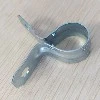

Metal washers are the unsung heroes of fastened joints-distributing load, protecting surfaces, and ensuring stability across industries from construction to electronics. But one critical question plagues anyone working with metal components: Can a metal washer rust? The short answer is yes-most metal washers can rust-but the likelihood, speed, and impact of rust depend on the washer's material, environment, and protective treatments.
Rust (iron oxide) forms when iron or steel is exposed to oxygen and moisture, weakening the washer, damaging surrounding materials, and compromising joint integrity. In this comprehensive guide, we'll explore why metal washers rust, which materials are most (and least) prone to corrosion, how to prevent rust, and how Joyear Metalwork's industrial-grade, corrosion-resistant components solve rust-related challenges. Backed by 15+ years of precision metal fabrication expertise and global certifications, Joyear delivers washers and complementary parts that stand up to harsh environments-keeping your projects safe and durable. Whether you're a DIYer, contractor, or OEM manufacturer, this guide will help you understand rust, avoid costly failures, and choose the right rust-resistant solutions.
1. Why Do Metal Washers Rust? The Science of Corrosion
To understand if a metal washer can rust, we first need to break down the chemistry of corrosion:
Rust forms through a chemical reaction called oxidation: when iron (Fe) in metal reacts with oxygen (O₂) and water (H₂O) to create iron oxide (Fe₂O₃)-the flaky, reddish-brown substance we know as rust. This reaction is accelerated by:
- Moisture: Rain, humidity, or even condensation provides the water needed for oxidation.
- Saltwater or chemicals: Salt (e.g., coastal environments, road salt) and industrial chemicals (e.g., acids, cleaners) act as electrolytes, speeding up the reaction.
- Scratches or damage: Protective coatings (paint, zinc) that are scratched expose the underlying metal to oxygen and moisture.
- Galvanic corrosion: When two dissimilar metals (e.g., steel washer + aluminum fastener) come into contact in a moist environment, an electric current forms, accelerating rust on the more reactive metal.
Not all metals rust equally, however. Only ferrous metals (those containing iron) can form rust. Non-ferrous metals (e.g., aluminum, copper, stainless steel) resist rust but may corrode in other ways (e.g., aluminum forms a protective oxide layer, copper develops a patina).
For industrial applications-such as forklift attachments, construction equipment, or outdoor enclosures-rust is more than a cosmetic issue: it weakens washers, leading to loose joints, equipment downtime, and safety hazards. Joyear's clients (including OEMs and truck dealers) rely on corrosion-resistant components to avoid these risks, especially in harsh operating conditions.
2. Which Metal Washers Rust? A Material Breakdown
The propensity of a metal washer to rust depends entirely on its material. Below is a breakdown of common washer materials, their rust resistance, and ideal uses-with a focus on how Joyear's products address corrosion concerns.
2.1 Carbon Steel (Mild Steel) Washers: High Rust Risk
Carbon steel (mild steel) is the most common washer material-affordable, strong, and versatile-but it's also the most prone to rust.
Rust Resistance: Very Low (Uncoated)
Uncoated carbon steel washers begin rusting within days of exposure to moisture or humidity. Even indoor use can lead to rust over time if there's condensation or poor ventilation.
Why Use Them?
Carbon steel washers excel in dry, indoor applications where cost is a priority-e.g., furniture assembly, indoor hardware, or temporary fixtures. For industrial use, they're only suitable if protected by coatings.
Joyear's Solution for Steel Washer Rust
Joyear offers zinc-plated or hot-dip galvanized carbon steel washers that add a protective barrier against rust. These coatings act as a sacrificial layer: the zinc corrodes first, protecting the underlying steel. Joyear's carbon steel washers are paired with their Construction Usage Piano Hinge and Forklift Forks for dry or lightly exposed industrial applications, ensuring load-bearing strength without immediate rust. For long-term protection, Joyear recommends upgrading to stainless steel for outdoor or humid use. Explore Joyear's Steel Components
2.2 Stainless Steel Washers: Rust-Resistant (But Not Rust-Proof)
Stainless steel is a premium washer material prized for corrosion resistance, thanks to its chromium content (at least 10.5%). The two most common grades for washers are 304 and 316.
Rust Resistance: High (304) to Very High (316)
- 304 Stainless Steel: Resists rust in most environments-outdoor, humid, or mild industrial settings. It's ideal for residential, commercial, and light industrial use (e.g., patio furniture, food processing equipment, electrical enclosures).
- 316 Stainless Steel: Contains molybdenum, which enhances resistance to saltwater, acids, and harsh chemicals. It's the top choice for marine, coastal, or heavy industrial applications (e.g., offshore equipment, chemical plants, wastewater treatment).
Why They Rarely Rust
Chromium in stainless steel reacts with oxygen to form a thin, invisible oxide layer (passive layer) that self-heals if scratched. This layer blocks moisture and oxygen from reaching the underlying metal-preventing rust.
Joyear's Stainless Steel Washer Solutions
Joyear's SS304 Continuous Hinge and matching stainless steel washers are designed for rust-prone environments. Made from food-grade 304 stainless steel, they're ideal for outdoor construction, marine equipment, or humid industrial settings. For extreme corrosion (e.g., coastal construction or chemical plants), Joyear offers custom 316 stainless steel washers via their ODM/OEM services, ensuring long-term resistance to saltwater and chemicals. These washers pair seamlessly with Joyear's PCB welding terminals and copper alloy components for corrosion-free electrical assemblies. Shop Joyear's SS304 Components
2.3 Copper Alloy Washers (Brass, Bronze): Rust-Proof
Copper, brass, and bronze are non-ferrous metals-they contain no iron, so they cannot rust. Instead, they develop a patina (a greenish-brown layer) over time, which protects the underlying metal from further corrosion.
Rust Resistance: Rust-Proof (Patina Forms Instead)
Brass washers (copper + zinc) resist corrosion in water, humid, and marine environments. Bronze washers (copper + tin) offer even greater resistance to saltwater and wear-ideal for marine hardware and heavy machinery.
Ideal Uses
Electrical components (conductivity), marine applications (saltwater resistance), decorative projects (patina aesthetic), and plumbing fixtures (water resistance).
Joyear's Copper Alloy Washer Solutions
Joyear's Copper Alloy Precision Stamping Parts and PCB Welding Terminal (Terminal PCB Male Flat) are paired with copper or brass washers for rust-proof electrical and marine assemblies. These washers provide conductivity while resisting corrosion, making them ideal for OEM electronics, boat fittings, and plumbing equipment. Joyear's precision-stamped copper alloy washers meet ISO 9001:2015 standards, ensuring consistent quality for bulk orders. Inquire About Copper Alloy Components
2.4 Aluminum Washers: Rust-Proof
Aluminum is another non-ferrous metal that cannot rust. Like stainless steel, it forms a protective oxide layer when exposed to oxygen-preventing further corrosion.
Rust Resistance: Rust-Proof
Aluminum washers are lightweight, corrosion-resistant, and ideal for weight-sensitive applications (e.g., aerospace, portable equipment). However, they're softer than steel or stainless steel, so they're not suitable for heavy loads.
Joyear's Aluminum Washer Capabilities
For custom OEM projects requiring lightweight, rust-proof washers (e.g., portable tools or aerospace components), Joyear offers precision-stamped aluminum washers. These washers are designed to pair with Joyear's lightweight precision stamping parts, ensuring corrosion resistance without sacrificing performance. Joyear's aluminum washers meet tight tolerances, making them suitable for high-precision applications.
3. How to Prevent Metal Washers From Rusting: 7 Practical Strategies
Whether you're using steel, stainless steel, or copper alloy washers, these strategies will minimize or eliminate rust:
3.1 Choose the Right Material for the Environment
- Indoor/dry: Uncoated carbon steel (cost-effective) or 304 stainless steel (longevity).
- Outdoor/humid: 304 stainless steel (Joyear's SS304 washers) or brass.
- Coastal/marine/industrial: 316 stainless steel or bronze (Joyear's custom 316 solutions).
- Electrical applications: Copper or brass (Joyear's copper alloy washers).
3.2 Use Protective Coatings
For carbon steel washers, coatings are a must for any exposure to moisture:
- Zinc plating: Thin, affordable coating for light exposure (indoor/outdoor with minimal humidity).
- Hot-dip galvanizing: Thicker coating for heavy exposure (construction, outdoor equipment).
- Powder coating: Durable, decorative coating for indoor/outdoor use (residential hardware, furniture).
Joyear's zinc-plated and galvanized steel washers come with industry-standard coatings, ensuring consistent protection against rust.
3.3 Avoid Galvanic Corrosion
When pairing washers with fasteners or substrates:
- Use compatible metals (e.g., steel washer + steel bolt, stainless steel washer + stainless steel bolt).
- If dissimilar metals must be used, separate them with a non-conductive washer (e.g., plastic) or use a corrosion-resistant metal like 316 stainless steel.
Joyear's pre-sales team can help you select compatible materials to avoid galvanic corrosion, especially for OEM assemblies.
3.4 Keep Washers Dry and Clean
- Store washers in a dry, well-ventilated area (avoid damp basements or garages).
- Clean washers before installation to remove dirt, oil, or debris that can trap moisture.
- For outdoor equipment, regularly wipe down washers and fasteners to remove salt, dirt, or chemicals.
3.5 Apply Lubrication or Anti-Corrosion Sprays
For moving parts (e.g., hinges, machinery joints), apply a silicone-based lubricant or anti-corrosion spray (e.g., WD-40 Specialist Long-Term Corrosion Inhibitor). This creates a barrier against moisture and reduces friction.
Joyear's SS304 Continuous Hinge is designed to work with lubricants for long-term rust prevention, ensuring smooth operation even in humid environments.
3.6 Seal Joints to Block Moisture
For outdoor or wet applications (e.g., plumbing, outdoor enclosures), use a sealant (e.g., silicone caulk, thread seal tape) around the washer and fastener. This blocks moisture from seeping into the joint.
3.7 Inspect and Replace Rusty Washers Promptly
Rust spreads quickly-if you notice rust on a washer:
- Replace it immediately to prevent damage to the fastener or substrate.
- Upgrade to a more corrosion-resistant material (e.g., switch from steel to stainless steel) for long-term reliability.
Joyear's durable components minimize the need for frequent replacements, but regular inspections are still recommended for high-exposure applications.
4. Joyear Metalwork: Rust-Resistant Solutions for Industrial and Commercial Projects
Joyear Metalwork's 15+ years of expertise in precision metal fabrication positions them as a leader in rust-resistant washers and components. Here's why OEMs, contractors, and industry professionals trust Joyear to solve rust-related challenges:
4.1 Premium, Corrosion-Resistant Materials
Joyear uses only top-tier materials for washers and components:
- 304/316 Stainless Steel: For rust-resistant industrial and outdoor use (SS304 Continuous Hinge, custom washers).
- Copper Alloy (Brass, Bronze): For rust-proof electrical and marine applications (Copper Alloy Precision Stamping Parts).
- Zinc-Plated/Galvanized Steel: For cost-effective rust protection in dry/lightly exposed settings (Construction Usage Piano Hinge washers).
All materials are sourced from trusted suppliers and tested to meet ISO 2330 and ANSI/ITSDF B56.11.4 standards-ensuring corrosion resistance and durability.
4.2 Precision Manufacturing and Quality Control
Joyear's washers are produced via fourslide metal stamping and precision fabrication, ensuring:
- Tight tolerances (±0.05mm) for a secure fit that minimizes moisture trapping.
- Clean edges and uniform coatings (for plated/galvanized washers) that prevent rust hotspots.
- Rigorous quality checks (backed by ISO 9001:2015 certification) to eliminate defective parts.
Joyear's Quality Management Department tests every batch of washers for corrosion resistance, ensuring they meet or exceed industry standards.
4.3 Customization for Unique Environments
Every project has unique corrosion risks-Joyear offers custom solutions to address them:
- Custom Materials: 316 stainless steel washers for marine/industrial use, copper alloy washers for electronics.
- Custom Coatings: Heavy-duty galvanizing or powder coating for extreme exposure.
- Custom Shapes/Sizes: Precision-stamped washers to fit unique fasteners or substrates (e.g., forklift forks, electrical panels).
Joyear's collaborative design team works with OEMs to optimize washer materials and designs for their specific environment-whether it's a coastal construction site or a chemical plant. Request Custom Rust-Resistant Washers
4.4 Comprehensive Product Portfolio
Joyear's rust-resistant washers are designed to work seamlessly with their other industrial-grade components, providing a one-stop shop for corrosion-free assemblies:
- Forklift Components: Blank Forklift Forks, Telehandler Shaft Forks-paired with stainless steel or galvanized washers.
- Hinges: SS304 Continuous Hinge, Construction Usage Piano Hinge-compatible with matching rust-resistant washers.
- Electrical Parts: PCB Welding Terminal, Copper Alloy Precision Stamping Parts-paired with copper/brass washers for conductivity and corrosion resistance.
4.5 Fast Delivery and Exceptional Support
Joyear's 5,000+ square meter production facility and 300+ skilled employees enable fast delivery of standard and custom washers. For bulk OEM orders, Joyear offers tiered pricing and efficient lead times-keeping your project on schedule. Their team provides end-to-end support:
- Pre-sales: Expert advice on material selection and rust prevention.
- In-sales: Transparent updates on order status and customization.
- After-sales: Technical support and reorder assistance.
With 100+ global cooperating partners, Joyear has a proven track record of delivering rust-resistant solutions for industries ranging from logistics and construction to electronics and marine.
5. Common Myths About Metal Washer Rust (Debunked)
To help you avoid costly mistakes, let's debunk three common myths:
Myth 1: "All Metal Washers Rust Equally"
False. Rust depends on material: carbon steel rusts quickly, stainless steel rarely rusts, and copper/brass cannot rust. Joyear's clients save money by choosing the right material for their environment-no need to overspend on stainless steel for dry indoor projects.
Myth 2: "Stainless Steel Washers Never Rust"
Not entirely true. 304 stainless steel can rust in extreme environments (e.g., saltwater, heavy chemicals), while 316 stainless steel is nearly rust-proof. Joyear recommends 316 for marine or industrial use to eliminate rust risks.
Myth 3: "Coatings Make Steel Washers Rust-Proof"
False. Coatings (zinc, galvanize) slow rust but don't prevent it forever. If the coating is scratched or wears off, the underlying steel will rust. For long-term outdoor use, Joyear advises upgrading to stainless steel.
6. Final Tips for Rust-Free Metal Washers
- Invest in quality: Cheap, thin coatings or low-grade steel washers rust faster. Joyear's premium materials and coatings ensure long-term rust resistance.
- Match the washer to the environment: Don't use uncoated steel washers outdoors-opt for Joyear's SS304 or 316 stainless steel.
- Prioritize compatibility: Avoid mixing dissimilar metals to prevent galvanic corrosion.
- Plan for maintenance: For high-exposure applications, schedule regular inspections and lubrication to extend washer lifespan.
For industrial projects, Joyear's team can provide a rust-prevention plan tailored to your specific environment and load requirements-ensuring your washers and components stay corrosion-free for years.
Conclusion: Metal Washers Can Rust-But Joyear's Solutions Prevent It
Yes, most metal washers can rust-especially carbon steel ones exposed to moisture. But rust isn't inevitable. By choosing the right material (stainless steel, copper alloy), using protective coatings, and partnering with a manufacturer that prioritizes corrosion resistance, you can keep your washers and joints strong and durable.
Joyear Metalwork's industrial-grade, rust-resistant washers and components are designed to tackle corrosion head-on. Backed by global certifications, precision manufacturing, and customization capabilities, Joyear delivers solutions that stand up to harsh environments-from coastal construction to industrial chemical plants. Whether you need standard SS304 washers for outdoor projects or custom 316 stainless steel washers for marine use, Joyear has the expertise and products to keep rust at bay.
Don't let rust compromise your project's safety or longevity. Choose a manufacturer that understands corrosion and delivers reliable, rust-resistant solutions. Visit Joyear Metalwork's website to explore their rust-resistant washers, complementary components, or contact their team at cici@joyearmetalwork.com to discuss your custom requirements. With Joyear, you get washers that don't just