



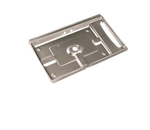


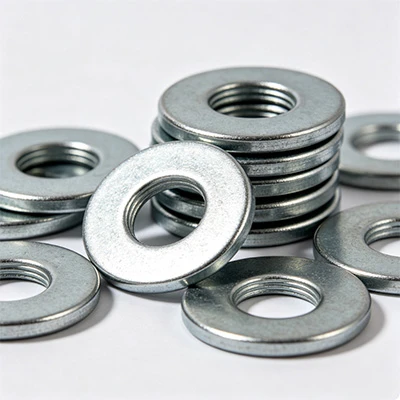
Stainless Steel Plate Washers
Weight Range : 0.5g–500kg
Dimensional tolerance : ±0.1 mm
Please provide product specifications so that we can offer specific pricing and MOQ.
The forming process of Stainless Steel Plate Washers has a significant impact on the internal stress distribution. Large-size washers are mostly manufactured by stamping and blanking followed by finishing. Their flatness is closely related to the initial state of the plate and the mold gap. According to the ASTM E18 Rockwell hardness test, the hardness of the edge of the stamped plate gasket can be increased by about 12% compared to the central area due to cold work hardening. Taking 304 stainless steel as an example, the hardness of the central area is about HRB 85, and the edge can rise to HRB 95. Although this hardness gradient enhances the edge's compressive resistance, it may also cause local stress concentration in subsequent use. Therefore, a stress relief annealing process is usually added after stamping to homogenize the overall hardness to HRB. 80 to 88 range. At the same time, according to the ASTM E8 tensile test, the elongation of the gasket after annealing is increased from 20% to 45%, which significantly enhances the resistance to brittle fracture, making it suitable for flange connections of mining equipment that bear impact loads.
In environments sensitive to electrochemical corrosion, special attention must be paid to the material combination and installation torque of stainless steel plate washers. When used with carbon steel bolts, there is a potential difference between the washers and bolts. According to the ASTM G71 galvanic corrosion test method, after the 316L stainless steel washers and carbon steel bolts are coupled in simulated seawater, the corrosion rate of the carbon steel bolts accelerates from 0.1 mm per year when exposed alone to 0.5 mm per year. This means that an insulating coating needs to be added between the washers and bolts or bolts of the same material must be selected. At the same time, according to the friction coefficient measurement of VDI 2230, the friction coefficient of the supporting surface of the pickled and passivated stainless steel washer and stainless steel nut is about 0.15 to 0.22, which is significantly higher than that of the galvanized washer and the carbon steel nut, which is 0.08 to 0.14. When the target preload force is 100 kN, the required tightening torque increases from 300 Nm for the galvanized combination to 420 Nm, an increase of about 40%. Therefore, on-site installation needs to recalibrate the torque value based on the measured friction coefficient to avoid flange leakage or bolt loosening caused by insufficient pre-tightening force. This consideration is extremely critical in the fastening of oil platform piping systems and chemical reactor heads.
Parameters
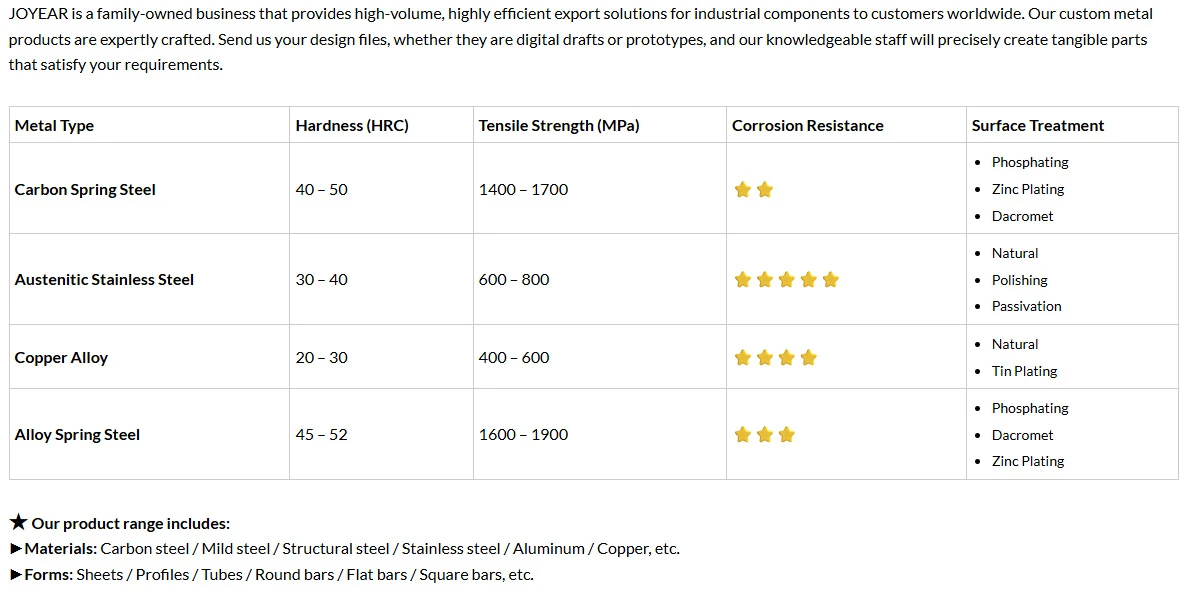
Drawing Design & Confirm
Obtain drawings from clients or produce drawings based on their samples or specifications.
The drawings, product raw materials, surface treatment, and other details are attested to by both parties.

Price & Order
Provide a quote, ensure that the order quantity is accurate, and include all relevant details,
such as the terms of payment, the terms of trade, the type of packaging, etc.

Production & Shipping
Follow the original drawings and samples exactly when producing the goods.
It was carefully packaged and delivered to the clients following a final inspection.


Hot Tags: stainless steel plate washers, China stainless steel plate washers manufacturers, suppliers, factory
You Might Also Like


Send Inquiry