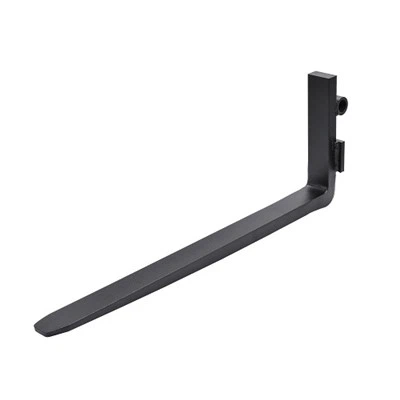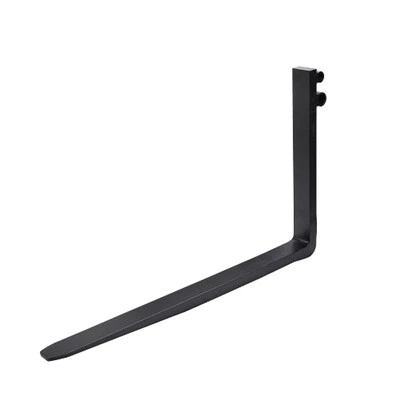
Backhoes forks are essential attachments for backhoe loaders, significantly enhancing their versatility and functionality. These forks are used in various industries, including construction, agriculture, and warehousing, for tasks such as lifting, moving, and stacking materials. As a leading supplier of backhoes forks, I understand the importance of using the right materials to ensure the durability, strength, and performance of these crucial attachments. In this blog, I will explore the different materials commonly used to make backhoes forks and their respective advantages.
Steel
Steel is by far the most widely used material for manufacturing backhoes forks. It offers a unique combination of strength, durability, and affordability, making it an ideal choice for heavy - duty applications.
Carbon Steel
Carbon steel is a popular option due to its high strength and relatively low cost. It contains carbon as the main alloying element, with small amounts of other elements such as manganese, silicon, and sulfur. The carbon content in carbon steel can range from 0.05% to 2.1%, and the higher the carbon content, the stronger the steel.
Backhoes forks made from carbon steel are suitable for general - purpose applications, such as moving pallets, logs, and construction materials. They can withstand significant loads and are resistant to wear and tear. However, carbon steel is prone to corrosion, especially in wet or humid environments. To mitigate this issue, carbon steel forks are often coated with a protective layer, such as paint or galvanization.
Alloy Steel
Alloy steel is a type of steel that contains additional alloying elements, such as chromium, nickel, molybdenum, and vanadium, in addition to carbon. These alloying elements enhance the mechanical properties of the steel, such as strength, hardness, and toughness.


Alloy steel backhoes forks are more expensive than carbon steel forks but offer superior performance. They are capable of handling heavier loads and are more resistant to impact and abrasion. Alloy steel forks are commonly used in demanding applications, such as mining, heavy construction, and forestry. For example, in a mining operation, where the forks need to lift and move large chunks of ore, alloy steel forks can provide the necessary strength and durability.
Stainless Steel
Stainless steel is another material that can be used to make backhoes forks. It is a corrosion - resistant alloy that contains at least 10.5% chromium. The chromium forms a thin, protective oxide layer on the surface of the steel, preventing rust and corrosion.
Stainless steel backhoes forks are ideal for applications where corrosion resistance is a primary concern, such as in the food and beverage industry, chemical plants, and marine environments. They are also easy to clean and maintain, which is an important factor in industries where hygiene is crucial.
However, stainless steel is more expensive than carbon and alloy steel, and it may not be as strong as alloy steel in terms of load - bearing capacity. Therefore, stainless steel forks are typically used for lighter - duty applications or in situations where corrosion resistance is more important than maximum strength.
Titanium
Titanium is a lightweight and high - strength metal that has excellent corrosion resistance. Titanium backhoes forks offer several advantages over steel forks. They are much lighter, which can reduce the overall weight of the backhoe loader and increase its fuel efficiency. At the same time, titanium has a high strength - to - weight ratio, meaning it can handle significant loads while being relatively lightweight.
However, titanium is extremely expensive compared to steel, and its production process is more complex. As a result, titanium backhoes forks are not as commonly used as steel forks. They are usually reserved for specialized applications, such as in aerospace or high - end research facilities, where the benefits of lightweight and high - strength materials outweigh the cost.
Considerations When Choosing Material for Backhoes Forks
When selecting the material for backhoes forks, several factors need to be considered:
Load Capacity
The load capacity of the forks is one of the most important considerations. For heavy - duty applications, such as lifting large construction materials or heavy machinery, alloy steel forks are the best choice due to their high strength and load - bearing capacity. For lighter - duty tasks, carbon steel or stainless steel forks may be sufficient.
Environment
The operating environment also plays a crucial role in material selection. In corrosive environments, such as near the ocean or in chemical plants, stainless steel or properly coated carbon steel forks are preferred. In dry and non - corrosive environments, carbon or alloy steel forks can be used without significant concerns about corrosion.
Cost
Cost is always a factor in any purchasing decision. Carbon steel forks are the most affordable option, making them a popular choice for budget - conscious customers. Alloy steel forks are more expensive but offer better performance, while stainless steel and titanium forks are the most costly.
As a supplier of high - quality backhoes forks, we offer a wide range of products made from different materials to meet the diverse needs of our customers. Our Backhoes Pallet Forks Attachments are designed to provide reliable performance in various applications. We also have Backhoe Loader Forks and Pallet Forks for Backhoe that are made with precision and care to ensure maximum durability and functionality.
If you are in the market for backhoes forks, we invite you to contact us to discuss your specific requirements. Our team of experts will help you choose the right material and product for your needs, ensuring that you get the best value for your investment.
References
- "Metallurgy for Engineers: Physical Metallurgy and the Selection of Materials" by George E. Dieter.
- "Materials Science and Engineering: An Introduction" by William D. Callister Jr. and David G. Rethwisch.