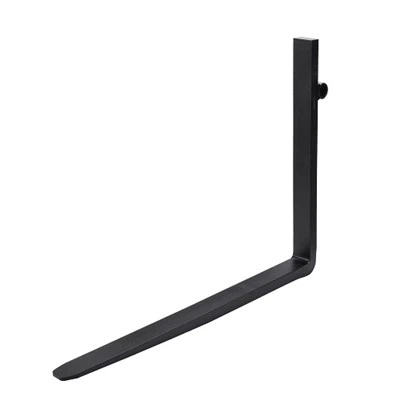
Hey there! As a supplier of Track Loader Forks, I've seen firsthand how these powerful tools can make a big difference in various industries. But like any piece of heavy equipment, using track loader forks safely is super important. In this blog, I'll share some key safety precautions you should take when using track loader forks.
Pre - operation Checks
Before you even start up the track loader with the forks attached, there are a bunch of checks you need to do. First off, take a good look at the forks themselves. Check for any signs of damage like cracks, bends, or excessive wear. You don't want to use forks that are in bad shape because they could break during operation, which is a huge safety risk.
If you're looking for high - quality forks, you can check out Loader Fork Tines. These are designed to be durable and reliable, but even the best forks need regular inspection.
Next, examine the attachment mechanism. Make sure the forks are securely attached to the track loader. Loose attachments can cause the forks to fall off while you're working, which could lead to serious injury or damage. You can find more information about how Forks Attach To Wheel Loader Frames to ensure a proper connection.
Also, check the hydraulic system. The hydraulics are what control the movement of the forks, so they need to be in good working order. Look for any leaks, and make sure the hoses are in good condition. If you notice any problems, don't use the equipment until it's fixed.
Operating the Track Loader Forks
Once you've done all the pre - operation checks and everything looks good, it's time to start using the track loader forks. But there are still some safety rules to follow.
First of all, always operate the track loader at a safe speed. Don't go too fast, especially when you're carrying a load. A sudden stop or turn at high speed can cause the load to shift and potentially tip the loader over.
When picking up a load, make sure the forks are centered under the load. This helps to distribute the weight evenly and reduces the risk of the load falling off. Also, don't try to lift a load that's too heavy for the forks or the track loader. Check the load capacity of your equipment and stay within its limits.
Be careful when moving the forks up and down. Use the controls smoothly and steadily. Abrupt movements can cause the load to become unstable. And when you're lowering the load, make sure the area below is clear of people and other objects.
Visibility and Communication
Visibility is a huge factor when using track loader forks. You need to be able to see what you're doing at all times. Make sure the windshield is clean and unobstructed. If you have a rear - view mirror, use it to keep an eye on what's behind you.
If you're working in a busy area, communicate with other workers. Let them know when you're moving the loader or when you're about to pick up or drop off a load. You can use hand signals or a two - way radio to stay in touch.
Storage and Maintenance
When you're done using the track loader forks, it's important to store them properly. Keep them in a dry, secure place where they won't get damaged. Make sure they're not leaning against anything that could cause them to bend or break.
Regular maintenance is also crucial. Clean the forks after each use to remove any dirt, debris, or grease. This helps to prevent corrosion and keeps the forks in good condition. You can also lubricate the moving parts to ensure smooth operation.
Training and Certification
One of the most important safety precautions is to make sure that anyone who operates the track loader forks is properly trained. They should know how to perform the pre - operation checks, how to operate the equipment safely, and what to do in case of an emergency.
Getting a certification for operating heavy equipment like track loader forks is a great idea. It shows that you have the knowledge and skills to use the equipment safely. Many employers require their operators to be certified, and it can also give you an edge in the job market.
Emergency Situations
Even when you follow all the safety rules, emergencies can still happen. That's why it's important to know what to do in case of an emergency. If there's a problem with the equipment, like a hydraulic leak or a mechanical failure, stop the loader immediately.
If the loader starts to tip over, don't try to jump out. Stay in the cab and hold on tight. The cab is designed to protect you in case of a roll - over.
In case of a fire, use the fire extinguisher if it's safe to do so. If the fire is too big, evacuate the area and call the fire department.
Conclusion
Using track loader forks can be a great way to get the job done, but it's important to take safety seriously. By following these safety precautions, you can reduce the risk of accidents and injuries.
If you're in the market for high - quality Track Loader Forks, we're here to help. We offer a wide range of forks that are designed to meet your needs. Whether you're working in construction, agriculture, or any other industry, our forks can make your job easier and safer.
If you have any questions or want to discuss your specific requirements, feel free to reach out. We're always happy to talk about how our track loader forks can fit into your operations.


References
- OSHA (Occupational Safety and Health Administration) guidelines on heavy equipment operation.
- Manufacturer's manuals for track loader forks.