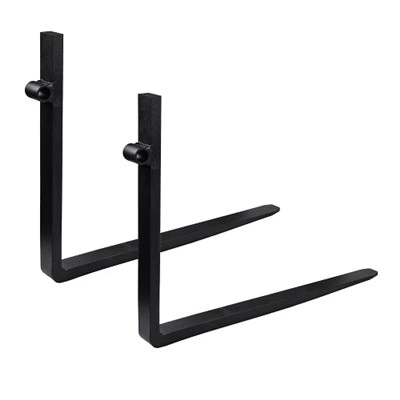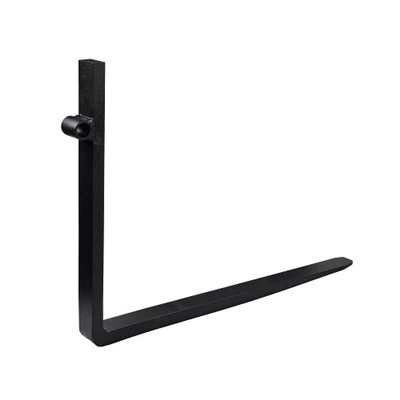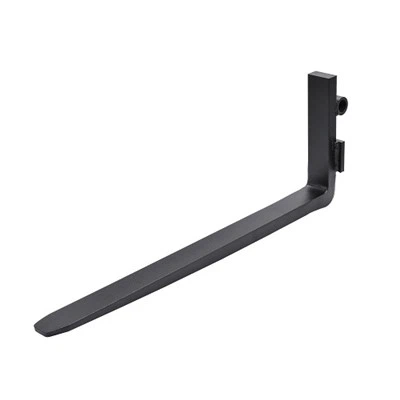
Hey there! As a supplier of loader fork tines, I've seen firsthand how these nifty tools can make a world of difference when it comes to handling all sorts of loads. But what about those tricky, irregularly - shaped ones? That's what we're gonna talk about today.
First off, let's understand why handling irregularly - shaped loads is a challenge. Unlike regular, box - shaped items, these loads don't have a uniform center of gravity. They can be awkward to pick up, and there's a higher risk of them shifting or falling during transport. But don't worry, with the right techniques and the proper use of loader fork tines, you can tackle these loads with ease.
Choosing the Right Fork Tines
The very first step is to pick the right fork tines for the job. You need to consider the weight, size, and shape of the irregular load. If you're dealing with a long and thin object, like a pipe or a timber, you might want to use longer fork tines. This gives you more surface area to support the load and helps distribute the weight evenly. On the other hand, if the load is short but wide, shorter and wider forks could be the way to go.
We offer a wide range of fork tines, including Track Loader Forks. These are designed to work well with track loaders and can handle various types of loads. They're made from high - quality materials, so you know they're tough enough to take on those irregular shapes.
Preparing the Load
Before you even think about picking up the load, you need to prepare it. Start by inspecting the load for any loose parts or sharp edges. If there are loose parts, secure them. Sharp edges can damage the fork tines, so you might want to use some protective padding.
Next, figure out the center of gravity of the load. You can do this by gently rocking the load back and forth (if it's safe to do so) or by using some basic physics knowledge. Once you know where the center of gravity is, you can position the fork tines accordingly. Try to place the forks as close to the center of gravity as possible to keep the load stable during lifting.
Lifting the Load
Now comes the fun part - lifting the load. Approach the load slowly and carefully. Make sure the fork tines are at the right height and angle. You want to slide the forks under the load smoothly, without jolting it. If the load is sitting on the ground, you might need to tilt the loader slightly forward to get the forks under it.
Once the forks are in place, start lifting the load slowly. Keep an eye on the load to make sure it doesn't shift. If you notice any movement, stop immediately and adjust the position of the forks. It's important to lift the load at a steady pace to avoid any sudden jerks that could cause the load to fall.
Transporting the Load
When you're transporting the irregularly - shaped load, keep the load as low as possible. This lowers the center of gravity of the entire setup, making it more stable. Also, drive slowly and smoothly, especially when turning or going over bumps. Sudden movements can cause the load to shift, so take your time.
If you need to make a turn, make it gradually. A sharp turn can put a lot of stress on the load and the fork tines, increasing the risk of an accident. And always be aware of your surroundings. Make sure there's enough space to maneuver the loader and the load safely.
Special Considerations for Different Shapes
Let's talk about some common irregular shapes and how to handle them.
Round Objects
Round objects like barrels or pipes can be tricky because they tend to roll. To prevent this, you can use fork attachments that are designed to hold round objects. We have a great selection of Fork Attachments for Wheel Loaders that can help you secure these types of loads. You can also use straps or chains to tie the objects down to the forks.
Odd - Angled Objects
For objects with odd angles, you might need to adjust the angle of the fork tines. Some loader fork tines can be adjusted, which is really handy in these situations. You can also use multiple forks to support different parts of the object. Just make sure each fork is bearing its fair share of the weight.
Long and Flexible Objects
Long and flexible objects, like cables or hoses, can sag in the middle. To handle these, you can use a spreader bar between the fork tines. This helps distribute the weight along the length of the object and prevents it from sagging too much.
Maintenance of Fork Tines
Proper maintenance of your fork tines is crucial for safe and efficient handling of irregularly - shaped loads. Regularly inspect the fork tines for any signs of wear and tear, such as cracks, bends, or excessive rust. If you notice any damage, replace the fork tines immediately.
Keep the fork tines clean and lubricated. Dirt and debris can cause the forks to wear out faster, and proper lubrication ensures smooth operation. Also, make sure the forks are properly attached to the loader. You can refer to our guide on Forks Attach To Wheel Loader Frames for more information on the correct attachment process.
Conclusion
Handling irregularly - shaped loads with loader fork tines might seem daunting at first, but with the right approach, it can be a breeze. By choosing the right fork tines, preparing the load properly, and using the correct lifting and transporting techniques, you can ensure the safety of your workers and the integrity of your loads.


If you're in the market for high - quality loader fork tines or need more advice on handling irregular loads, don't hesitate to reach out. We're here to help you find the perfect solution for your specific needs. Whether you're a small - scale contractor or a large - scale industrial operation, we've got the products and expertise to support you. Let's start a conversation and see how we can work together to make your load - handling tasks more efficient and safer.
References
- Industry standards and best practices for loader fork tine use
- Manufacturer's guidelines for loader and fork tine maintenance
- Case studies on handling irregularly - shaped loads in various industries