Hey there, folks! As a supplier of Telehandler Shaft Forks, I've seen firsthand how crucial it is to ensure the accuracy of load placement when using these nifty tools. In this blog post, I'm gonna share some tips and tricks on how you can make sure your loads are placed precisely where you want them, every single time.
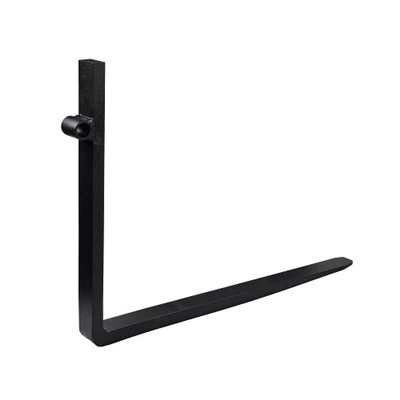
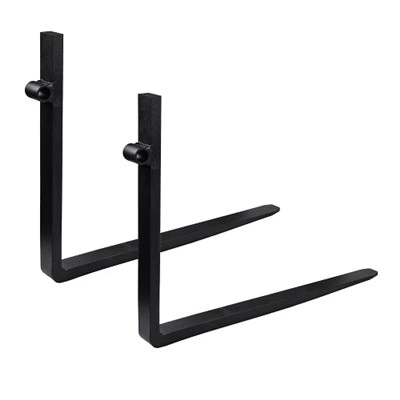
First off, let's talk about what telehandler shaft forks are and why they're so important. Telehandler shaft forks are specialized attachments for telehandlers, which are versatile machines used in a variety of industries, including construction, agriculture, and warehousing. These forks are designed to lift and move heavy loads, making them an essential tool for any job that requires material handling.
One of the key benefits of telehandler shaft forks is their ability to provide a stable and secure platform for lifting loads. Unlike traditional forklift forks, which are attached directly to the mast of the forklift, telehandler shaft forks are mounted on a shaft that can be adjusted to different angles and heights. This allows for greater flexibility and precision when placing loads, especially in tight spaces or hard-to-reach areas.


But how do you ensure the accuracy of load placement with telehandler shaft forks? Well, the first step is to choose the right forks for the job. There are several different types of telehandler shaft forks available, each designed for specific applications and load capacities. When selecting forks, it's important to consider factors such as the weight and size of the loads you'll be lifting, as well as the type of terrain and environment in which you'll be working.
For example, if you'll be lifting heavy loads on rough terrain, you might want to consider using Super Strong Pallet Forks. These forks are designed to withstand the rigors of heavy use and are made from high-strength steel for maximum durability. On the other hand, if you'll be working in a more confined space, you might want to choose Telehandler Forklift Forks that are shorter and more maneuverable.
Once you've chosen the right forks for the job, the next step is to properly install and adjust them. Before attaching the forks to the telehandler, make sure they're clean and free of any debris or damage. Then, follow the manufacturer's instructions to install the forks securely on the shaft. It's important to ensure that the forks are properly aligned and tightened to prevent any movement or slippage during operation.
After installing the forks, you'll need to adjust them to the correct height and angle for the load you'll be lifting. Most telehandler shaft forks are adjustable, allowing you to customize the height and angle of the forks to suit your specific needs. To adjust the forks, use the controls on the telehandler to raise or lower the shaft and tilt the forks forward or backward. Make sure to take your time and make small adjustments until the forks are positioned exactly where you want them.
Another important factor in ensuring the accuracy of load placement is proper load balancing. When lifting a load, it's important to distribute the weight evenly across the forks to prevent the load from tipping or shifting during operation. To achieve proper load balancing, make sure the load is centered on the forks and that the weight is evenly distributed between the two forks. If the load is unevenly distributed, you can use the controls on the telehandler to adjust the position of the forks until the load is balanced.
In addition to proper load balancing, it's also important to use the right lifting technique when using telehandler shaft forks. When lifting a load, make sure to approach the load slowly and carefully, and position the forks under the load so that they are centered and level. Then, use the controls on the telehandler to lift the load slowly and smoothly, making sure to keep the load level and stable. Avoid jerking or sudden movements, as these can cause the load to shift or tip.
Once the load is lifted, it's important to transport it carefully to its destination. When moving the load, make sure to keep the telehandler moving slowly and steadily, and avoid making any sudden turns or stops. If you need to turn or change direction, make sure to do so slowly and smoothly, and use the controls on the telehandler to keep the load level and stable.
Finally, when you're ready to place the load, make sure to approach the destination slowly and carefully. Position the forks over the target area, and use the controls on the telehandler to lower the load slowly and smoothly until it is resting securely on the surface. Make sure to double-check that the load is centered and level before releasing the forks.
In conclusion, ensuring the accuracy of load placement with telehandler shaft forks requires careful planning, proper equipment selection, and the use of the right lifting techniques. By following these tips and tricks, you can make sure that your loads are placed precisely where you want them, every single time. If you have any questions or need more information about telehandler shaft forks, please don't hesitate to contact us. We're here to help you find the right forks for your job and to ensure that you get the most out of your telehandler.
References:
- Manufacturer's instructions for telehandler shaft forks
- Industry best practices for material handling
- Personal experience as a Telehandler Shaft Forks supplier