Ensuring the proper alignment of track loader forks is crucial for the safety, efficiency, and longevity of your equipment. As a trusted Track Loader Forks supplier, we understand the significance of well - aligned forks in various industrial applications. In this blog, we will explore the step - by - step process of checking the alignment of track loader forks.

Why Alignment Matters
Before delving into the alignment checking process, it's essential to understand why proper alignment is so important. Misaligned forks can lead to a host of problems, including uneven loading, premature wear and tear on the forks and the loader itself, and an increased risk of accidents. Uneven loading can cause the load to shift during transport, which may lead to spills or even tip - overs, endangering the operator and those in the vicinity. Premature wear on the forks can reduce their load - bearing capacity and lifespan, resulting in costly replacements.
Tools Required
To check the alignment of track loader forks, you will need a few basic tools. These include a straightedge, a measuring tape, a level, and a marker. The straightedge will help you determine if the forks are straight, while the measuring tape is used to measure distances accurately. The level ensures that the loader is on a flat and even surface, and the marker can be used to mark any misaligned areas for further adjustment.
Step 1: Prepare the Track Loader
The first step in checking the alignment of the track loader forks is to prepare the loader. Park the loader on a flat, level surface. Engage the parking brake and turn off the engine. This ensures the safety of the operator during the alignment check and provides a stable base for accurate measurements.
Step 2: Inspect the Forks Visually
Conduct a visual inspection of the forks. Look for any signs of damage, such as cracks, bends, or excessive wear. Damaged forks should be replaced immediately, as they can affect the alignment and safety of the loader. Check the tips of the forks for sharpness and straightness. If the tips are worn or bent, it can cause problems when inserting the forks into pallets or other loads.
Step 3: Check the Parallelism of the Forks
Use a straightedge to check the parallelism of the two forks. Place the straightedge across the top of the forks, near the tips. The straightedge should touch both forks evenly. If there is a gap between the straightedge and one of the forks, it indicates that the forks are not parallel. Measure the gap using a measuring tape. A small gap may be acceptable, but if it exceeds the manufacturer's specifications, the forks need to be adjusted.
Step 4: Measure the Fork Length
Measure the length of each fork from the tip to the back. The two forks should be of equal length, within a specified tolerance. If one fork is significantly longer than the other, it can cause uneven loading and affect the stability of the loader. Use a measuring tape to take accurate measurements. If the lengths are not equal, the forks may need to be adjusted or replaced.
Step 5: Check the Vertical Alignment
Use a level to check the vertical alignment of the forks. Place the level on the top of each fork, near the tip. The level should indicate that the forks are horizontal. If the level shows that a fork is tilted, it means that the fork is not vertically aligned. This can be caused by a problem with the mounting brackets or the hydraulic system. Adjust the mounting brackets or check the hydraulic system to correct the vertical alignment.
Step 6: Inspect the Mounting Brackets
The mounting brackets play a crucial role in the alignment of the forks. Inspect the mounting brackets for any signs of damage, such as cracks or loose bolts. Tighten any loose bolts and replace any damaged brackets. A loose or damaged mounting bracket can cause the forks to shift out of alignment during operation.
Step 7: Check the Hydraulic System
If the track loader uses a hydraulic system to operate the forks, check the hydraulic hoses and cylinders for any signs of leaks or damage. A leak in the hydraulic system can cause the forks to operate unevenly, leading to misalignment. Also, ensure that the hydraulic pressure is within the manufacturer's recommended range. Incorrect hydraulic pressure can affect the movement and alignment of the forks.
Step 8: Make Adjustments
Based on the results of your inspection, make the necessary adjustments to the forks. If the forks are not parallel, you may need to adjust the mounting brackets or use shims to correct the alignment. If the forks are of unequal length, you may need to replace one of the forks. If the vertical alignment is off, adjust the mounting brackets or the hydraulic system as needed.
After making any adjustments, re - check the alignment using the same tools and procedures. Repeat the process until the forks are properly aligned.
Importance of Regular Checks
Regularly checking the alignment of track loader forks is essential for maintaining the safety and efficiency of your equipment. We recommend checking the alignment at least once a month or more frequently if the loader is used in demanding applications. By performing regular checks, you can catch any misalignment issues early and prevent costly repairs and accidents.
Our Product Offerings
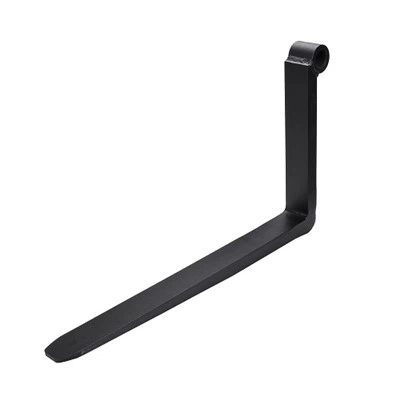
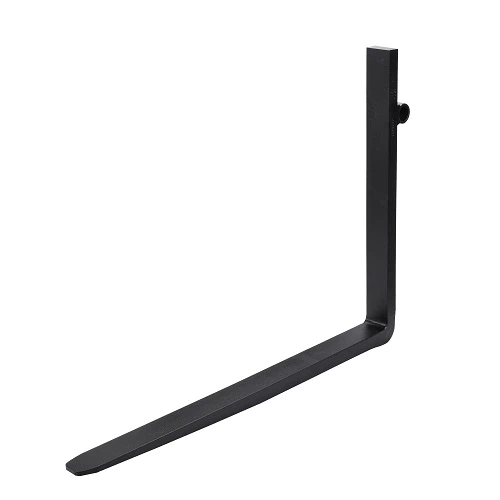
As a Track Loader Forks supplier, we offer a wide range of high - quality Fork Attachments for Wheel Loaders. Our Loader Fork Tines are made from durable materials and are designed to withstand heavy loads and harsh working conditions. Our Forks Attach To Wheel Loader Frames are easy to install and provide a secure connection for your loader.
Contact Us for Procurement
If you are in the market for high - quality track loader forks or need further advice on fork alignment and maintenance, we invite you to contact us. Our team of experts is ready to assist you in finding the right products for your specific needs. Whether you are looking for standard forks or custom - made solutions, we have the experience and resources to meet your requirements.
References
- Manufacturer's manuals for track loaders and forks
- Industry standards for fork safety and alignment