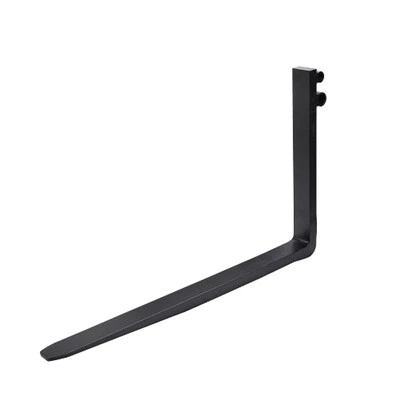
Hey there! As a supplier of Backhoe Loader Forks, I often get asked about how to clean these essential attachments. Keeping your backhoe loader forks clean isn't just about making them look good; it's crucial for their performance and longevity. In this blog, I'll share some practical tips on how to clean backhoe loader forks effectively.
Why Cleaning Backhoe Loader Forks Matters
Before we dive into the cleaning process, let's talk about why it's so important. Backhoe loader forks are constantly exposed to dirt, debris, and various materials during their operation. If left uncleaned, these substances can cause corrosion, wear and tear, and even affect the fork's functionality. A clean set of forks ensures smooth operation, reduces the risk of mechanical failures, and extends the lifespan of your equipment.
Tools and Materials You'll Need
To clean your backhoe loader forks, you'll need a few basic tools and materials. Here's a list to get you started:
- A high-pressure water hose
- A stiff-bristled brush
- A bucket of soapy water (you can use a mild detergent)
- A wire brush for stubborn dirt
- Safety gear such as gloves and goggles
Step-by-Step Cleaning Process
Step 1: Preparation
First things first, make sure your backhoe loader is turned off and parked on a flat, stable surface. Engage the parking brake and chock the wheels to prevent any accidental movement. Put on your safety gear to protect yourself from dirt and debris.
Step 2: Remove Loose Debris
Use the high-pressure water hose to blast off any loose dirt, mud, or debris from the forks. Start from the top and work your way down, making sure to cover all sides of the forks. This initial rinse will help remove the bulk of the dirt and make the subsequent cleaning steps easier.
Step 3: Scrub with Soapy Water
Fill a bucket with soapy water using a mild detergent. Dip the stiff-bristled brush into the soapy water and start scrubbing the forks. Pay special attention to areas with stubborn dirt or grime, such as the tines and the connection points. Use the wire brush for really tough spots. Make sure to scrub thoroughly to remove all the dirt and contaminants.
Step 4: Rinse Again
Once you've scrubbed the forks, use the high-pressure water hose to rinse off the soapy water and any remaining dirt. Make sure to rinse all the soap off, as leaving soap residue can attract more dirt and cause corrosion over time.


Step 5: Inspect for Damage
While the forks are clean and wet, take a close look at them for any signs of damage, such as cracks, bends, or excessive wear. If you notice any issues, it's important to address them promptly to avoid further problems. You might need to replace damaged parts or have the forks repaired by a professional.
Step 6: Dry the Forks
After rinsing, let the forks air dry completely. You can also use a clean cloth to wipe them down and speed up the drying process. Make sure the forks are completely dry before storing them to prevent rust and corrosion.
Special Considerations for Different Types of Forks
There are different types of backhoe loader forks available, such as Backhoes Pallet Forks Attachments, Pin Type Forks, and Bucket Pallet Forks. Each type may require slightly different cleaning methods.
- Backhoes Pallet Forks Attachments: These forks are often used for handling pallets and other materials. They may accumulate more dirt and debris in the tines and the connection points. Make sure to clean these areas thoroughly to ensure smooth operation.
- Pin Type Forks: Pin type forks have pins that connect them to the backhoe loader. These pins can get dirty and cause problems if not cleaned regularly. Use a wire brush to clean the pins and make sure they are free of dirt and rust.
- Bucket Pallet Forks: Bucket pallet forks are attached to the bucket of the backhoe loader. They may be exposed to more abrasive materials, so it's important to clean them more frequently. Pay special attention to the edges of the forks, as these areas are more prone to wear and tear.
Maintenance Tips for Long-Term Performance
In addition to regular cleaning, there are some other maintenance tips you can follow to keep your backhoe loader forks in top condition:
- Lubricate the moving parts regularly to ensure smooth operation.
- Check the tightness of the bolts and nuts periodically to prevent them from coming loose.
- Store the forks in a dry, protected area when not in use to prevent rust and corrosion.
- Follow the manufacturer's recommended maintenance schedule for your backhoe loader and forks.
Conclusion
Cleaning your backhoe loader forks is an important part of equipment maintenance. By following the steps outlined in this blog, you can keep your forks clean, functional, and in good condition for years to come. Remember, a clean set of forks not only looks good but also performs better and lasts longer.
If you're in the market for high-quality backhoe loader forks or have any questions about cleaning or maintenance, feel free to reach out to us. We're here to help you find the right solutions for your needs. Contact us today to start a conversation about your requirements and explore our range of products.
References
- Manufacturer's manuals for backhoe loader forks
- Industry best practices for equipment maintenance and cleaning