

Determining the safety ratings of skid mount pallet forks is a complex yet crucial process that ensures the well - being of operators and the efficiency of material handling operations. As a supplier of skid mount pallet forks, I have witnessed firsthand the importance of these ratings in the industry.
Understanding Skid Mount Pallet Forks
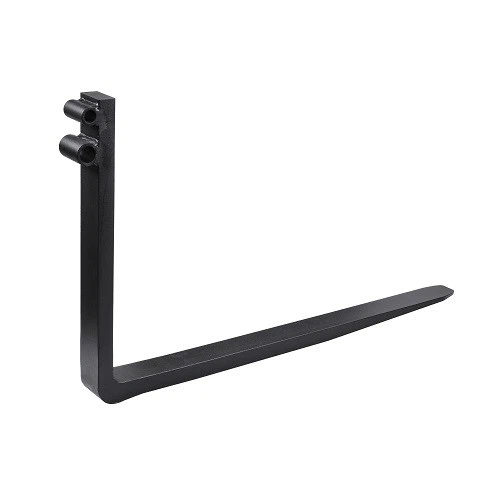
Skid mount pallet forks are essential attachments for skid steer loaders. They come in various sizes and configurations to meet different material handling needs. Whether it's moving pallets in a warehouse, transporting construction materials on a job site, or handling agricultural products, these forks play a vital role. For example, Heavy Duty Skid Steer Pallet Forks are designed to withstand heavy loads and tough working conditions, while Skid Steer Loader Forks offer a more general - purpose solution for a variety of tasks.
Factors Affecting Safety Ratings
1. Material Quality
The quality of the materials used in the manufacturing of skid mount pallet forks is a fundamental factor in determining their safety ratings. High - strength steel is commonly used due to its excellent tensile strength and durability. Steel with a higher yield strength can better withstand the stresses imposed during lifting and moving operations. For instance, if a fork is made from low - quality steel, it may deform or break under heavy loads, posing a serious safety risk to the operator and those in the vicinity.
2. Design and Construction
The design of the forks is also critical. The shape of the fork tips, the thickness of the blades, and the overall structure all contribute to the safety and performance of the forks. Forks with properly tapered tips are easier to insert into pallets, reducing the risk of damage to the pallets and the forks themselves. Additionally, the construction method, such as the welding quality between the fork blades and the mounting frame, is crucial. Poorly welded joints can weaken the overall structure and lead to catastrophic failures. For example, if the welds on the Skid Steers Attachments forks are not up to standard, the forks may separate from the skid steer loader during operation.
3. Load Capacity
The load capacity is perhaps the most important safety - related factor. It refers to the maximum weight that the skid mount pallet forks can safely lift and carry. To determine the load capacity, manufacturers consider the material strength, the design of the forks, and the lifting capabilities of the skid steer loader. Overloading the forks can cause them to bend, break, or tip the skid steer loader, resulting in serious accidents. Safety ratings are often based on a percentage of the forks' ultimate load - bearing capacity, with a safety margin built in to account for unexpected stresses and dynamic loads.
4. Center of Gravity
The center of gravity of the load being lifted is another important consideration. When the load is not centered properly on the forks, it can cause instability. This is particularly relevant when handling irregularly shaped or unbalanced loads. Forks should be designed to accommodate a reasonable range of load centers, and operators need to be trained to position the load correctly to maintain stability.
5. Compatibility with Skid Steer Loaders
Skid mount pallet forks must be compatible with the skid steer loaders they are intended to be used with. This includes factors such as the mounting system, the hydraulic requirements (if any), and the overall dimensions. Incompatible forks may not function properly, or they may place excessive stress on the skid steer loader's components, increasing the risk of failure and accidents.
Testing Procedures for Safety Ratings
1. Static Load Testing
Static load testing is one of the primary methods used to determine the safety ratings of skid mount pallet forks. During this test, a known load is applied to the forks while they are stationary. The load is gradually increased until the forks reach their maximum rated capacity or until signs of deformation or failure are observed. This test helps to verify the structural integrity of the forks and ensures that they can safely support the specified load.
2. Dynamic Load Testing
Dynamic load testing simulates real - world operating conditions. The forks are subjected to loads while the skid steer loader is in motion, including lifting, lowering, and transporting the load. This test evaluates the forks' performance under dynamic stresses, such as vibrations and sudden stops or starts. It also helps to identify any potential issues with the forks' stability and durability during actual use.
3. Fatigue Testing
Fatigue testing is conducted to assess the long - term durability of the skid mount pallet forks. The forks are subjected to repeated loading and unloading cycles to simulate the wear and tear they will experience over their service life. This test helps to determine the forks' resistance to fatigue cracking and other forms of damage that can occur over time.
Industry Standards and Regulations
There are several industry standards and regulations that govern the safety ratings of skid mount pallet forks. These standards are developed by organizations such as the American National Standards Institute (ANSI) and the International Organization for Standardization (ISO). Compliance with these standards ensures that the forks are designed, manufactured, and tested to meet a minimum level of safety. For example, ANSI standards specify the requirements for load capacity, materials, and testing procedures, while ISO standards provide a global framework for safety and quality.
Importance of Safety Ratings for Customers
For customers, understanding the safety ratings of skid mount pallet forks is essential. Using forks with the appropriate safety ratings helps to prevent accidents, reduce equipment damage, and increase productivity. When customers purchase Heavy Duty Skid Steer Pallet Forks, Skid Steer Loader Forks, or Skid Steers Attachments forks, they can be confident that they are investing in a safe and reliable product.
How We Ensure Safety Ratings in Our Products
As a supplier of skid mount pallet forks, we are committed to providing products with the highest safety ratings. We source only the highest - quality materials from trusted suppliers and use advanced manufacturing techniques to ensure the strength and durability of our forks. Our design team uses computer - aided design (CAD) software to optimize the design of the forks for maximum safety and performance.

We also conduct rigorous testing on all our products. Every batch of forks undergoes static load testing, dynamic load testing, and fatigue testing to ensure that they meet or exceed industry standards. Our quality control team inspects each fork before it leaves the factory to ensure that it is free from defects and meets our strict quality requirements.
Contact Us for Your Skid Mount Pallet Fork Needs
If you are in the market for skid mount pallet forks, you can trust us to provide you with high - quality, safe, and reliable products. Our extensive range of products, including Heavy Duty Skid Steer Pallet Forks, Skid Steer Loader Forks, and Skid Steers Attachments forks, can meet your diverse material handling needs. Contact us to discuss your requirements and start a procurement洽谈. We look forward to partnering with you to ensure the safety and efficiency of your material handling operations.
References
- American National Standards Institute (ANSI) standards related to skid mount pallet forks.
- International Organization for Standardization (ISO) standards for construction equipment and attachments.
- Manufacturer's literature on skid mount pallet fork design and testing procedures.


