Hey there! As a supplier of Telehandler Shaft Forks, I've seen firsthand how important it is to keep these essential pieces of equipment in top - notch condition. Telehandler shaft forks are used in all sorts of industries, from construction to warehousing. They help lift and move heavy loads safely and efficiently. So, let's dive into how you can maintain your telehandler shaft forks.
Regular Inspections
One of the most crucial steps in maintaining telehandler shaft forks is regular inspections. You should do a quick visual check before every use. Look for any signs of damage, like cracks, bends, or excessive wear. Check the tips of the forks; if they're worn down, it can affect the stability of the load. You might also want to check the mounting points where the forks attach to the telehandler. Loose or damaged mounting points can be extremely dangerous.
I once had a customer who didn't do these pre - use checks. One day, while lifting a heavy pallet, a crack in the fork gave way, and the load came crashing down. It not only damaged the goods but also put the operator at risk. So, don't skip these inspections!
For a more thorough inspection, do it at least once a month or after a certain number of operating hours, depending on how often you use the telehandler. During this in - depth check, use tools like a caliper to measure the thickness of the fork blades. If the thickness is below the manufacturer's recommended level, it's time to replace the forks. You can find more about different types of telehandler forks on our website, Telehandler Forklift Forks.
Cleaning
Cleaning your telehandler shaft forks is another important maintenance task. Dirt, debris, and rust can build up on the forks over time. This not only looks bad but can also weaken the metal. After each use, use a wire brush to remove any loose dirt and debris. If there's stubborn grime, you can use a mild detergent and water to clean the forks.
Rust is a big enemy of telehandler shaft forks. Once rust starts, it can spread quickly and eat away at the metal. If you notice any signs of rust, use a rust remover to get rid of it. After removing the rust, apply a rust - preventive coating to protect the forks. This will extend their lifespan significantly. Our Super Strong Pallet Forks are made from high - quality materials, but proper cleaning and rust prevention are still necessary.
Lubrication
Lubrication is key to keeping the moving parts of the telehandler shaft forks working smoothly. The pivot points and mounting areas need to be lubricated regularly. Use a high - quality lubricant recommended by the manufacturer. Apply the lubricant evenly to prevent friction and wear.
If you don't lubricate these parts, they can seize up. This can make it difficult to adjust the forks or even cause damage to the telehandler itself. A well - lubricated fork will operate more efficiently, reducing the risk of breakdowns and improving overall productivity.
Proper Storage
When the telehandler isn't in use, proper storage of the shaft forks is essential. Store the forks in a dry, clean area. If possible, keep them off the ground to prevent moisture from collecting on them. You can use a fork rack to store the forks safely.
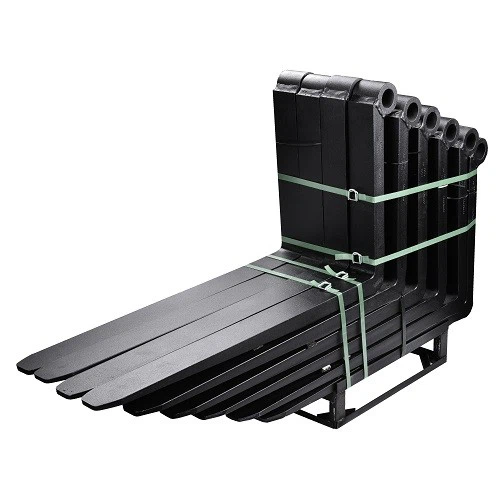

Avoid storing the forks in areas where they can be exposed to extreme temperatures or harsh chemicals. These conditions can damage the metal and reduce the lifespan of the forks. Our Telehandler Shaft Forks are built to last, but proper storage will ensure they stay in great shape for as long as possible.
Operator Training
Last but not least, make sure your operators are properly trained. An untrained operator can cause a lot of damage to the telehandler shaft forks. They might overload the forks, which can lead to bending or breaking. Or they could use the forks in a way that causes unnecessary wear and tear.
Provide training on how to use the telehandler and the forks correctly. Teach them about the weight limits, how to position the forks for different loads, and how to handle the equipment safely. This will not only protect your investment in the forks but also keep your operators safe.
In conclusion, maintaining telehandler shaft forks is a combination of regular inspections, cleaning, lubrication, proper storage, and operator training. By following these steps, you can ensure that your forks last longer, operate more efficiently, and keep your workplace safe.
If you're in the market for high - quality telehandler shaft forks or need more advice on maintenance, don't hesitate to reach out. We're here to help you make the best choices for your business. Whether you're a small warehouse or a large construction company, we've got the right forks for you. Contact us today to start a conversation about your telehandler fork needs.
References
- Manufacturer's manuals for telehandler shaft forks
- Industry standards for forklift and telehandler safety and maintenance