Hey there, folks! I'm a supplier of Backhoe Loader Forks, and I've been getting a bunch of questions lately about whether these bad boys need special installation. So, I thought I'd sit down, fire up my computer, and share some insights with you all.


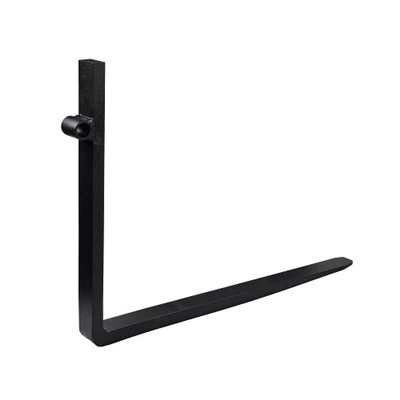
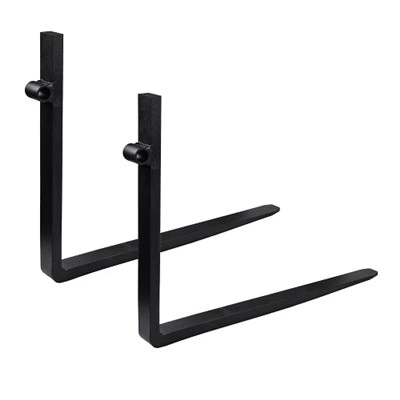
First things first, let's talk about what backhoe loader forks are all about. Backhoe loader forks, like the ones you can check out here, are super useful attachments for your backhoe loader. They're great for lifting and moving palletized materials, which makes them a must - have in construction, warehousing, and a whole bunch of other industries.
Now, to answer the burning question: Do backhoe loader forks need special installation? Well, the answer isn't a simple yes or no. It depends on several factors.
Types of Backhoe Loader Forks
Let me introduce you to a few common types of backhoe loader forks. There are Pin Type Forks, which are designed to be attached to the backhoe loader using pins. These are a popular choice because they're relatively easy to install and remove. Another type is the Bucket Pallet Forks. These forks are meant to be used in combination with a bucket, and they offer a great deal of versatility.
Installation Ease
The installation process for backhoe loader forks can vary quite a bit depending on the type. For example, pin - type forks are usually pretty straightforward. All you need to do is align the pins on the forks with the corresponding holes on the backhoe loader. Then, you just insert the pins and secure them with the appropriate clips or nuts. It's a process that doesn't require a whole lot of technical expertise, and most people with basic mechanical skills can do it.
On the other hand, if you're dealing with bucket pallet forks, the installation might be a bit more involved. These forks often need to be properly positioned and attached to the bucket in a way that ensures stability and safety. You might need to use some additional tools, like wrenches or sockets, to tighten the bolts and make sure everything is secure. But hey, don't let that scare you off! With a little patience and the right instructions, you can get the job done.
Special Requirements
In some cases, backhoe loader forks do require special installation. For instance, if your backhoe loader has a unique attachment system, you might need to get custom - made forks or use an adapter. Some older models of backhoe loaders might not be compatible with standard forks, and you'll have to work a bit harder to find the right solution.
Also, safety is always a top priority. When installing backhoe loader forks, you need to make sure that the forks are rated for the weight of the materials you'll be lifting. If you overload the forks, it can lead to serious accidents. So, it's important to follow the manufacturer's guidelines regarding weight limits and installation procedures.
Importance of Professional Installation
If you're not confident in your mechanical skills or if the installation seems too complicated, it might be a good idea to hire a professional. A professional installer has the experience and knowledge to make sure that the forks are installed correctly. They can also perform a safety check to ensure that everything is in working order before you start using the forks.
However, hiring a professional does come with a cost. If you're on a tight budget and you're willing to take the time to learn, you can definitely install the forks yourself. Just make sure you read the instruction manual carefully and watch some installation videos if you can find them online.
Tips for DIY Installation
If you decide to go the DIY route, here are some tips to make the installation process smoother. First, gather all the tools you'll need before you start. This might include wrenches, sockets, hammers, and safety equipment like gloves and goggles. Second, clean the attachment points on the backhoe loader and the forks. Any dirt or debris can interfere with the installation and affect the performance of the forks.
Make sure you have a clear workspace and that the backhoe loader is parked on a flat, stable surface. This will help prevent any accidents during the installation. And finally, take your time. Rushing through the installation can lead to mistakes that could be dangerous later on.
Maintenance After Installation
Once you've installed your backhoe loader forks, it's important to maintain them properly. Regularly inspect the forks for any signs of wear and tear, such as cracks or bent tines. If you notice any issues, replace the forks or the damaged parts as soon as possible. Also, keep the attachment points clean and lubricated to prevent corrosion and ensure smooth operation.
Conclusion
So, to sum it all up, backhoe loader forks don't always need special installation, but in some cases, they do. The type of forks you choose, the compatibility with your backhoe loader, and your own mechanical skills all play a role in determining how easy or difficult the installation process will be. Whether you decide to install the forks yourself or hire a professional, the most important thing is to make sure that the installation is done safely and correctly.
If you're interested in purchasing high - quality backhoe loader forks, or if you have any questions about installation, feel free to reach out to us. We're here to help you make the right choice for your equipment.
References
- Industry literature on backhoe loader attachments
- Manufacturer's guides for backhoe loader forks