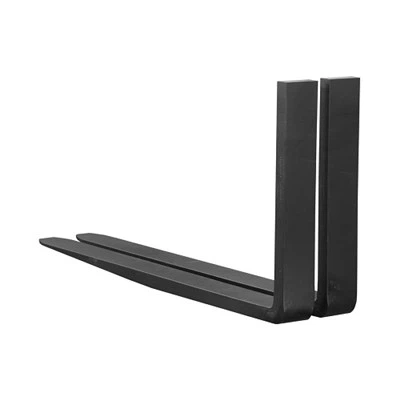
As a supplier of Pin Type Forks, I often receive inquiries from customers regarding the suitability of our products in various environments. One question that comes up frequently is whether pin type forks can be used in cold storage environments. In this blog post, I will delve into the technical aspects, advantages, and potential challenges of using pin type forks in cold storage settings.
Understanding Pin Type Forks
Pin type forks, also known as Pin Type Forks, are a type of material handling equipment commonly used with backhoes and other heavy machinery. They are designed to lift and move pallets, crates, and other heavy loads. The pin type design allows for easy attachment and detachment from the machinery, providing flexibility and efficiency in material handling operations.


Cold Storage Environment Characteristics
Cold storage environments are characterized by low temperatures, typically ranging from -20°C to -10°C (-4°F to 14°F) in freezer rooms and 0°C to 10°C (32°F to 50°F) in refrigerated rooms. These low temperatures can have a significant impact on the performance and durability of equipment, including pin type forks.
Advantages of Using Pin Type Forks in Cold Storage
- Durability: Pin type forks are typically made from high-strength steel, which can withstand the low temperatures and harsh conditions of cold storage environments. The steel used in our pin type forks is specially treated to resist corrosion and maintain its strength even at low temperatures.
- Flexibility: The pin type design allows for easy attachment and detachment of the forks, which is particularly useful in cold storage environments where the need for quick and efficient material handling is crucial. Workers can easily switch between different fork sizes and configurations to accommodate different load requirements.
- Compatibility: Pin type forks are compatible with a wide range of backhoes and other heavy machinery, making them a versatile choice for cold storage operations. Whether you have a small backhoe for light-duty tasks or a large industrial machine for heavy lifting, our pin type forks can be easily adapted to your equipment.
Challenges and Considerations
While pin type forks offer many advantages in cold storage environments, there are also some challenges and considerations that need to be taken into account.
- Cold Brittleness: At low temperatures, steel can become brittle, increasing the risk of cracking and failure. To mitigate this risk, it is important to choose pin type forks that are made from high-quality steel and have been properly heat-treated. Our pin type forks are manufactured using advanced heat treatment processes to ensure maximum strength and durability in cold storage conditions.
- Lubrication: In cold storage environments, the lubricants used in the pin type forks can thicken or freeze, which can affect the smooth operation of the forks. It is important to use lubricants that are specifically designed for low-temperature applications and to regularly check and maintain the lubrication levels.
- Moisture and Condensation: Cold storage environments are often humid, which can lead to moisture and condensation on the pin type forks. This can cause corrosion and rust, reducing the lifespan of the forks. To prevent this, it is important to keep the forks dry and to apply a protective coating if necessary.
Maintenance and Care
Proper maintenance and care are essential to ensure the optimal performance and longevity of pin type forks in cold storage environments. Here are some tips to help you maintain your pin type forks:
- Regular Inspections: Conduct regular inspections of the pin type forks to check for any signs of damage, wear, or corrosion. Replace any damaged or worn parts immediately to prevent further problems.
- Cleaning: Keep the pin type forks clean and free from dirt, debris, and ice. Use a soft brush or compressed air to remove any contaminants, and avoid using abrasive cleaners that can damage the surface of the forks.
- Lubrication: As mentioned earlier, use lubricants that are specifically designed for low-temperature applications and regularly check and maintain the lubrication levels. Follow the manufacturer's recommendations for lubrication intervals and procedures.
- Storage: When not in use, store the pin type forks in a dry and protected area to prevent moisture and corrosion. Cover the forks with a protective tarp or plastic sheet to keep them clean and dry.
Conclusion
In conclusion, pin type forks can be used in cold storage environments, provided that they are properly designed, manufactured, and maintained. The advantages of using pin type forks, such as durability, flexibility, and compatibility, make them a suitable choice for material handling operations in cold storage settings. However, it is important to be aware of the challenges and considerations associated with using pin type forks in cold storage environments and to take the necessary steps to mitigate these risks.
If you are interested in purchasing pin type forks for your cold storage operations, or if you have any questions or concerns about our products, please do not hesitate to contact us. We are a leading supplier of Pin Type Forks, Pallet Forks for Backhoe, and Backhoes Pallet Forks Attachments, and we are committed to providing our customers with high-quality products and excellent customer service.
References
- ASME B56.1 - Safety Standard for Low Lift and High Lift Trucks
- ISO 5353 - Earth-moving machinery - Terminology and commercial specifications