
Are track loader forks resistant to corrosion?
As a supplier of track loader forks, I often get asked about the corrosion resistance of our products. Corrosion can significantly impact the performance and lifespan of track loader forks, so it's a crucial concern for our customers. In this blog post, I'll delve into the factors that affect the corrosion resistance of track loader forks and explain how our products are designed to withstand the test of time.
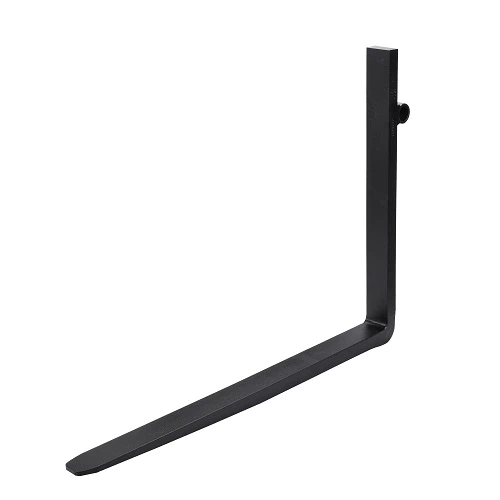

Understanding Corrosion in Track Loader Forks
Corrosion is a natural process that occurs when metals react with their environment. In the case of track loader forks, exposure to moisture, chemicals, and abrasive materials can accelerate the corrosion process. When corrosion sets in, it can weaken the structural integrity of the forks, leading to reduced load capacity and potential safety hazards.
There are several types of corrosion that can affect track loader forks, including:
- Uniform corrosion: This is the most common type of corrosion, where the entire surface of the metal is gradually worn away. It typically occurs when the forks are exposed to a corrosive environment over an extended period.
- Pitting corrosion: Pitting corrosion is characterized by the formation of small holes or pits on the surface of the metal. These pits can penetrate deep into the metal, causing localized damage and weakening the structure.
- Galvanic corrosion: Galvanic corrosion occurs when two different metals are in contact with each other in the presence of an electrolyte, such as water. The more reactive metal will corrode faster, while the less reactive metal will be protected.
Factors Affecting Corrosion Resistance
The corrosion resistance of track loader forks depends on several factors, including:
- Material selection: The choice of material plays a crucial role in determining the corrosion resistance of the forks. High-quality steel alloys with a high chromium and nickel content are generally more resistant to corrosion than lower-grade steels.
- Surface treatment: Applying a protective coating or finish to the forks can significantly enhance their corrosion resistance. Common surface treatments include galvanizing, powder coating, and painting.
- Operating environment: The environment in which the track loader forks are used can also affect their corrosion resistance. Forks used in harsh environments, such as construction sites or marine applications, are more likely to be exposed to corrosive substances and require additional protection.
- Maintenance practices: Regular maintenance and cleaning can help prevent corrosion and extend the lifespan of the forks. This includes removing dirt, debris, and corrosive substances from the forks after each use and applying a protective coating as needed.
Our Approach to Corrosion Resistance
At our company, we take corrosion resistance seriously. We use high-quality steel alloys in the manufacturing of our track loader forks to ensure maximum durability and corrosion resistance. Our forks are also subjected to a rigorous quality control process to ensure that they meet or exceed industry standards.
In addition to using high-quality materials, we also apply a protective coating to our forks to enhance their corrosion resistance. Our coating process involves several steps, including surface preparation, primer application, and topcoat application. The primer provides a strong bond between the metal and the topcoat, while the topcoat provides a barrier against moisture and corrosive substances.
We also offer a range of options for customizing the surface treatment of our forks to meet the specific needs of our customers. For example, we can apply a special coating for use in marine environments or a high-gloss finish for a more aesthetically pleasing appearance.
Benefits of Corrosion-Resistant Track Loader Forks
Investing in corrosion-resistant track loader forks offers several benefits, including:
- Longer lifespan: Corrosion-resistant forks are less likely to rust and corrode, which means they will last longer and require less frequent replacement.
- Improved safety: Corrosion can weaken the structural integrity of the forks, increasing the risk of accidents and injuries. Corrosion-resistant forks are more reliable and safer to use.
- Lower maintenance costs: By preventing corrosion, you can reduce the need for frequent maintenance and repairs, saving you time and money in the long run.
- Enhanced performance: Corrosion-resistant forks are more durable and can withstand the rigors of heavy use, ensuring optimal performance and productivity.
Conclusion
In conclusion, corrosion resistance is a critical factor to consider when choosing track loader forks. By understanding the factors that affect corrosion resistance and investing in high-quality, corrosion-resistant forks, you can ensure the longevity, safety, and performance of your equipment.
If you're in the market for track loader forks, we invite you to explore our product range. Our forks are designed to meet the highest standards of quality and performance, and we offer a range of options to suit your specific needs. Whether you need Forks Attach To Wheel Loader Frames, Wheel Loader Pallet Forks, or Loader Fork Tines, we have the solution for you.
Contact us today to learn more about our track loader forks and to discuss your specific requirements. We look forward to working with you to find the perfect solution for your business.
References
- ASM Handbook, Volume 13A: Corrosion: Fundamentals, Testing, and Protection. ASM International.
- Corrosion Basics: An Introduction to Corrosion. NACE International.
- Steel Construction Manual. American Institute of Steel Construction.


