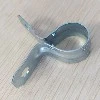

For procurement engineers, custom metal fabricators, electronics designers and forklift component manufacturers worldwide, the common search query remains: What is brass nickel, and how does its unique alloy makeup differentiate it from standard yellow brass? Also widely known as nickel brass or nickel silver across global metal industries, brass nickel is a specialized copper-zinc-based alloy formulated with intentional nickel additions to fix core drawbacks of regular copper-zinc brass such as dezincification, tarnishing and stress corrosion cracking. Many buyers confuse brass nickel with pure nickel metal or copper-nickel cupronickel, yet its distinct three-element formulation delivers balanced cost, machinability and anti-corrosion performance ideal for electronic fittings, hardware hinges and auxiliary forklift parts.
If you need custom brass nickel precision components, stainless steel fabrication and OEM sheet metal processing services, Joyear Metalwork is your reliable ISO-certified manufacturer. Founded as a family-owned enterprise in 2008 with over 15 years of professional metal fabrication experience, we produce standardized and custom brass nickel parts alongside our flagship stainless steel product range. Visit our official website: https://www.joyearmetalwork.com/ for detailed product specs, free material consultation and bulk pricing quotations.
Core Definition of Brass Nickel (Nickel Brass)
Brass nickel is categorized as a special alloy brass derived from conventional binary copper-zinc brass by adding controlled percentages of nickel as the primary tertiary alloying element, plus trace amounts of lead, iron, manganese or tin for performance optimization per ASTM B122 and UNS international standards. Unlike pure cupronickel (Cu-Ni alloy with zero zinc) or plain brass (Cu-Zn with no nickel), brass nickel sits in the middle of copper alloy families, combining brass's superior formability and cost efficiency with nickel's outstanding anti-tarnish and corrosion resistance. The informal name "nickel silver" originates from its silvery-white polished finish, even though the alloy contains zero elemental silver metal.
At Joyear Metalwork's raw material receiving department, every incoming brass nickel coil undergoes full spectroscopic composition inspection to verify element ratios before being scheduled for production of our Copper Alloy Precision Stamping Parts and PCB terminals, eliminating off-spec material risks.
Detailed Chemical Composition of Standard Brass Nickel
Three primary base metals form the bulk of all commercial brass nickel grades, with strictly regulated trace additives to tweak machinability and durability:
- Copper (Cu: 53% ~ 67% by weight): The foundational matrix metal, delivering excellent ductility, electrical conductivity and baseline atmospheric resistance, critical for deep stamping and bending during component processing. Most brass nickel used by Joyear maintains copper content between 55% and 65% to balance forming capability and end-product stability.
- Zinc (Zn: 28% ~ 42% remaining balance): Cost-effective secondary component that boosts tensile strength and casting fluidity while lowering overall raw material cost compared to high-purity copper-nickel alloys. Higher zinc percentages increase alloy hardness but reduce corrosion performance marginally.
- Nickel (Ni: 2% ~ 20%, defining ingredient): The core additive that upgrades regular brass's weaknesses, suppressing dezincification, eliminating yellow tarnish and stabilizing crystalline structure against stress corrosion cracking in humid or salt-rich environments. Low-nickel brass nickel contains 2%~5% nickel, while premium high-nickel variants feature 12%~20% nickel for harsh coastal applications.
- Trace dopants (Total below 3%): Lead (≤0.3%) improves free-cut machinability for tiny electronic terminals; iron and manganese refine grain structure to boost mechanical strength; small tin additions enhance salt-spray resistance for outdoor hardware fittings.
Popular Industrial UNS & Global Grades of Brass Nickel
Manufacturers select different brass nickel grades based on application surroundings, with three mainstream variants regularly used at Joyear Metalwork across its diversified product portfolio:
1. Low-Nickel Brass Nickel (HNi56-3 / Equivalent UNS C46400, Ni=3%~5%)
- Economy-grade brass nickel with roughly 56% copper, 41% zinc and 3% nickel, ideal for fully sealed indoor hidden components with no direct moisture exposure. We deploy this affordable grade for internal hidden fittings during Prototype Sheet Metal Stamping bulk orders for appliance OEMs.
2. Mid-Grade C75200 Nickel Brass (16~19% Ni, 65% Cu)
- The most widely used universal brass nickel globally, boasting bright silver finish and balanced electrical stability. This is our primary raw material for mass production of PCB Welding Terminal and Terminal PCB Male Flat, core electronic components installed inside household and industrial control cabinets.
3. Premium C77000 High-Nickel Brass Nickel (17~19% Ni, 55% Cu)
High-strength, superior corrosion-resistant formulation optimized for coastal and high-humidity working conditions. Joyear uses C77000 brass nickel for small auxiliary connecting fittings attached to our flagship Blank Forklift Forks and Telehandler Shaft Forks, which operate year-round in damp coastal cold-chain warehouses and open-air construction yards, complying with ISO 2330 and ANSI industrial norms.
Key Physical & Mechanical Properties of Brass Nickel
Thanks to nickel's alloying effect, brass nickel outperforms regular yellow brass across multiple critical performance metrics:
- Corrosion & Anti-Tarnish Performance: Resists dezincification and dark patina formation that plagues plain brass after prolonged air or salt contact; mid and high-nickel grades survive decades in coastal salt-spray environments without surface degradation.
- Electrical Properties: Consistent stable conductivity makes it perfect for precision electronic circuit terminals, avoiding oxidation-induced open circuits over long service life.
- Machinability & Formability: Both leaded free-cut and unleaded brass nickel support high-speed CNC turning and deep stamping, suiting intricate custom copper alloy precision component production at Joyear's workshop.
- Surface Aesthetics: Polished brass nickel delivers uniform silvery luster, matching the finish of our bestselling 72 Inch Stainless Steel Piano Hinge and Long Metal Hinge, so we commonly supply matching brass nickel screw inserts for custom hinge assembly kits.
Main Industrial Applications of Brass Nickel at Joyear Metalwork
Our full product lineup integrates brass nickel alongside certified 304/316 stainless steel, matching grade precisely to each component's working environment:
- Electronics Precision Components: C75200 brass nickel is the primary material for our PCB welding terminals, ensuring stable circuit connection and anti-oxidation inside sealed electrical appliances.
- Forklift Auxiliary Hardware: Premium C77000 brass nickel forms small fasteners and connector parts paired with stainless steel forklift tines, resisting rust in damp logistics yards.
- Stainless Steel Hinge Matching Parts: Polished brass nickel screws complement stainless piano hinges for uniform visual consistency on food processing equipment cabinet doors.
- Custom OEM Sheet Stamping: Low-nickel brass nickel is specified for cost-controlled indoor prototype parts, while high-nickel variants are reserved for outdoor custom machinery fittings upon client drawings.
Brass Nickel vs Standard Plain Yellow Brass: Core Distinctions
Standard Cu-Zn brass has zero nickel content, cheaper upfront cost but prone to rapid tarnish and dezincification in humid air. Brass nickel costs approximately 25%~38% higher due to nickel inclusion yet delivers 3~5 times longer service life in non-dry environments. For fully enclosed dry indoor parts, regular brass remains economical; for exposed, damp or coastal hardware, brass nickel is the cost-effective long-term investment.
Why Choose Joyear Metalwork for Custom Brass Nickel Fabrication
Established in 2008 as a family-run factory with 15+ years of metalworking expertise:
- Dual ISO 9001:2015 quality and ISO14001:2004 environmental certifications govern all raw material screening and production processes;
- Our 5,000+ square meter production plant employs over 300 skilled technicians and maintains long-term cooperation with more than 100 global industrial partners;
- Full one-stop service including collaborative design, prototype development, OEM bulk manufacturing, pre-sales material grade consultation and full after-sales technical support;
- Large-scale production capacity ensures fast global delivery and factory-direct competitive pricing without cutting corners on alloy composition standards.
Our engineering team provides free brass nickel grade recommendation based on your project's operating conditions via https://www.joyearmetalwork.com/.
Common Industry Misconceptions About Brass Nickel
1."Brass nickel contains silver":
- Its silver-like appearance is purely from high nickel content; no silver metal exists in its chemical makeup, significantly lowering material cost compared to genuine silver alloys.
2."Higher nickel always equals better value":
- Over-specifying expensive high-nickel C77000 for fully dry indoor terminals inflates costs unnecessarily; standard C75200 fully satisfies indoor performance needs.
How to Select the Right Brass Nickel Grade
- Dry indoor hidden components: Low-nickel HNi56-3 brass nickel for optimal cost control;
- Indoor electronic terminals & non-exposed hardware: Mid-grade C75200 universal nickel brass;
- Outdoor, coastal and high-humidity exposed fittings: Premium C77000 high-nickel brass nickel for maximum corrosion protection.
Conclusion
In summary, brass nickel (nickel brass) is a special copper-zinc-nickel ternary alloy manufactured by adding regulated nickel into standard brass formulation, split into low, mid and high-nickel UNS grades to fit diverse industrial working conditions. Its unique composition brings superior anti-tarnish, anti-corrosion and stable conductive performance compared to ordinary yellow brass, making it irreplaceable for electronic terminals, forklift auxiliary fittings and stainless steel matching hardware across electronics, logistics and construction sectors.
As an ISO-accredited professional metal fabricator, Joyear Metalwork flexibly selects matching brass nickel and stainless steel grades for all custom and standard products ranging from PCB terminals, precision stamped parts to stainless steel hinges and heavy-duty forklift forks. For personalized brass nickel technical guidance, bulk quotations and custom OEM fabrication orders, browse our official website https://www.joyearmetalwork.com/ to connect with our experienced engineering team today.