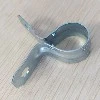

Industrial design engineers, procurement specialists, OEM hardware manufacturers and electronics component suppliers constantly face a vital material decision: Is nickel brass better than regular brass for component production? There is no universal yes-or-no answer to this question. Nickel brass outperforms conventional yellow brass in corrosion resistance, surface stability and mechanical durability for harsh, humid or coastal working environments, yet basic standard brass remains the more economical, cost-effective option for dry indoor applications with low exposure to moisture and corrosive elements. The choice ultimately relies on operating surroundings, component functionality, budget limits and long-term maintenance costs.
If you need custom brass and nickel brass precision stamping parts, stainless steel hardware, forklift accessories and ODM prototype sheet metal fabrication solutions with professional material consulting, Joyear Metalwork is your trusted ISO-certified manufacturing partner. Founded as a family-run enterprise in 2008 with over 15 years of metal processing expertise, our technical team selects the optimal brass variant for every project to balance performance and expenditure. Visit our official website https://www.joyearmetalwork.com/ to check product specifications, request samples and secure customized bulk pricing.
Fundamental Chemical Difference Between Nickel Brass and Standard Brass
The core performance gap originates from distinct chemical composition, the foundational factor separating these two copper-based alloys:
- Regular Standard Brass: A binary alloy composed solely of copper and zinc, with copper ranging from 55% to 70% and zinc filling the remaining proportion. No nickel is incorporated into its formula, which keeps raw material pricing low but limits its anti-corrosion and anti-tarnish capabilities. Common grades include C260 cartridge brass and C360 free-cutting brass, widely used for low-cost indoor fittings.
- Nickel Brass (Nickel Silver): A ternary Cu-Zn-Ni alloy made of copper, zinc plus 10%~20% nickel as the core additive element, with trace amounts of lead, manganese or tin added for refined machinability. Nickel is the premium alloying ingredient that upgrades regular brass's inherent drawbacks, raising production costs but drastically improving comprehensive performance.
At Joyear Metalwork's raw material warehouse and QC lab, all incoming brass batches go through spectroscopic composition testing to confirm elemental ratios, preventing material substitution errors during production of our Copper Alloy Precision Stamping Parts and electronic terminals.
Head-to-Head Performance Comparison: When Nickel Brass Excels & Regular Brass Prevails
We analyze five critical industrial metrics to clarify the advantages and drawbacks of each brass type for real-world manufacturing:
1. Corrosion & Anti-Tarnish Resistance: Nickel Brass Takes a Clear Lead
Standard yellow brass easily oxidizes and forms dark patina or suffers dezincification after long-term exposure to humidity, salt spray and fluctuating temperatures, which ruins dimensional stability and surface finish within months in coastal or damp workshop settings. Thanks to integrated nickel content, nickel brass forms a stable protective surface film that blocks moisture and chloride penetration, resisting dezincification, rust and discoloration for decades even in harsh open-air environments.
For auxiliary connecting fittings attached to our flagship Blank Forklift Forks and Telehandler Shaft Forks that operate in coastal cold-chain warehouses and rainy construction yards, we exclusively deploy premium nickel brass to avoid premature corrosion failure, while regular brass is only used for fully sealed internal hidden forklift components with zero ambient exposure.
2. Surface Appearance & Aesthetic Stability: Nickel Brass Offers Superior Consistency
Pure regular brass features a distinctive golden-yellow color that gradually darkens and stains upon air contact, requiring regular polishing to retain its look. Nickel brass boasts a consistent silvery-white finish (earning the nickname nickel silver, containing no actual silver metal) that resists fading and tarnishing without extra surface coating. Our 72 Inch Stainless Steel Piano Hinge and Long Metal Hinge often pair polished nickel brass screw inserts for uniform silvery decorative matching, whereas golden regular brass would visually clash with stainless steel hinge bodies.
3. Mechanical Strength & Stress Crack Resistance: Nickel Brass Has Higher Structural Reliability
Nickel's addition stabilizes the alloy's internal crystalline structure, boosting tensile strength and eliminating regular brass's vulnerability to seasonal stress corrosion cracking under variable humidity. It withstands heavy vibration and repeated mechanical load, ideal for precision moving parts.
Standard brass has decent ductility for simple bending but is prone to crack when exposed to continuous stress and dampness, making it unsuitable for outdoor load-bearing fittings.
4. Machinability & Fabrication: Both Perform Well for Different Needs
Free-cut variants of regular brass and leaded nickel brass deliver excellent CNC machinability for intricate component processing. Cost-friendly regular brass fits high-volume basic stamping, while nickel brass is preferred for complex, ultra-precise PCB Welding Terminal and Terminal PCB Male Flat production at Joyear, as its stable structure avoids dimensional deformation during high-speed stamping and welding processes for electronic equipment.
5. Raw Material Cost: Regular Brass Is Undoubtedly the Budget Winner
Due to expensive nickel inclusion, nickel brass usually costs 25%~40% higher per kilogram than standard yellow brass. For large-batch dry indoor projects with no moisture exposure, regular brass drastically cuts upfront procurement expenditure without sacrificing core functionality, making it the economical pick for cost-focused clients' basic Prototype Sheet Metal Stamping orders.
Practical Application Guidance: Choose Nickel Brass or Standard Brass Based on Working Scenarios
Select Nickel Brass If Your Parts Meet Any of These Conditions:
- Components are installed outdoors, in coastal regions, high-humidity workshops or salt-spray prone environments;
- Precision electronic terminals, decorative hardware and stainless steel matching fittings require long-term stable surface appearance;
- Load-bearing auxiliary parts for forklifts, machinery and refrigeration equipment demand strong anti-stress and anti-corrosion performance.
Stick With Standard Regular Brass Under These Circumstances:
- Parts stay fully enclosed indoors in dry, temperature-stable spaces with no water or salt exposure;
- Large-volume low-spec internal structural stamping where cost control is the top priority and appearance is irrelevant;
- Temporary prototype trial pieces for short-cycle indoor testing.
Core Advantages of Cooperating With Joyear for Professional Brass Material Selection
As a well-established metal fabrication manufacturer founded in 2008, our systematic production setup brings prominent benefits for global purchasers choosing between nickel brass and regular brass:
- Dual ISO 9001:2015 quality and ISO14001:2004 environmental certifications regulate all raw material procurement and production procedures.
- Our 5,000+ square meters production facility hires over 300 skilled technicians and maintains long-term partnerships with more than 100 worldwide industrial clients across electronics, logistics and construction sectors.
- Complete one-stop service covers collaborative product design, prototype development, customized OEM/ODM manufacturing, pre-sales material grade consultation and full after-sales technical support.
- Large-scale production capacity ensures fast global delivery and reasonable factory pricing by matching the most cost-efficient brass grade per client's actual working conditions.
Our engineering team provides free material recommendation for all incoming project inquiries via https://www.joyearmetalwork.com/, helping customers avoid overspending on unnecessary high-cost nickel brass or suffering early component failure from improper regular brass specification.
Common Costly Purchasing Mistakes When Selecting Brass Grade
Two widespread wrong decisions lead to avoidable financial losses for industrial buyers:
- Specifying expensive nickel brass for fully dry indoor hidden parts, inflating raw material budget with zero functional improvement;
- Saving short-term costs by using cheap regular brass for outdoor exposed hardware, resulting in frequent part rusting, breakdown and repeated replacement expenses. Working with experienced manufacturers like Joyear effectively eliminates these two typical errors via professional pre-production material evaluation.
Long-Term Total Cost of Ownership Analysis
Although regular brass has lower initial buying price, nickel brass achieves superior long-term cost-effectiveness for outdoor and corrosive environments. Nickel brass components often serve 3~5 times longer than regular brass counterparts under identical harsh working conditions, drastically reducing downtime, maintenance and replacement costs despite higher upfront investment. For indoor dry applications, standard brass remains the optimal economical choice with no hidden follow-up expenses.
Conclusion
In short, nickel brass is not universally better than regular brass, and vice versa: nickel brass is the superior choice for humid, coastal, outdoor and high-precision exposed components thanks to outstanding anti-corrosion, anti-tarnish and mechanical properties; standard yellow brass is the more cost-efficient and practical option for dry, fully enclosed indoor non-exposed parts with strict budget constraints. Material selection should always center on real working environment instead of blindly pursuing higher-grade nickel brass or the cheapest regular brass.
As an ISO-accredited metal fabrication specialist with over 15 years of industry experience, Joyear Metalwork flexibly deploys nickel brass and standard brass across our full product portfolio ranging from precision PCB terminals, custom copper alloy stamping parts, stainless steel hinges to forklift auxiliary fittings. Our QC and design teams match the most suitable brass material for every client's unique project parameters. For personalized brass grade consultation, bulk quotation and custom ODM manufacturing requests, visit our official website https://www.joyearmetalwork.com/ to connect with our professional engineering team today.