Continuous hinges, also known as piano hinges, are long, narrow hinges that run the entire length of a door or lid. They offer several advantages, including increased strength, stability, and a more uniform appearance. As a leading continuous hinges supplier, we understand the importance of using high-quality materials to ensure the durability and performance of our products. In this blog post, we will explore the various materials used to make continuous hinges and their unique properties.
1. Stainless Steel
Stainless steel is one of the most popular materials for continuous hinges due to its excellent corrosion resistance, strength, and durability. It is composed of iron, chromium, and other elements, which form a protective oxide layer on the surface of the metal, preventing rust and corrosion.
Advantages
- Corrosion Resistance: Stainless steel is highly resistant to rust and corrosion, making it ideal for use in harsh environments, such as outdoor applications or areas with high humidity.
- Strength and Durability: Stainless steel continuous hinges are strong and can withstand heavy loads, making them suitable for use in commercial and industrial applications.
- Aesthetic Appeal: Stainless steel has a sleek, modern appearance that can enhance the overall look of any door or lid.
Applications
Stainless steel continuous hinges are commonly used in a variety of applications, including:
- Commercial and Industrial Doors: Stainless steel hinges are used in commercial and industrial doors, such as warehouse doors, storefront doors, and factory doors.
- Marine Applications: Due to its corrosion resistance, stainless steel is a popular choice for marine applications, such as boat hatches and cabin doors.
- Food and Beverage Industry: Stainless steel is a hygienic material that is easy to clean and maintain, making it suitable for use in the food and beverage industry.
If you are interested in our stainless steel continuous hinges, you can check out our Long Metal Hinge for more details.
2. Brass
Brass is another popular material for continuous hinges. It is an alloy of copper and zinc, which gives it a unique combination of strength, corrosion resistance, and aesthetic appeal.
Advantages
- Corrosion Resistance: Brass has good corrosion resistance, especially in indoor environments. It can develop a patina over time, which can enhance its appearance.
- Aesthetic Appeal: Brass has a warm, golden color that can add a touch of elegance to any door or lid.
- Machinability: Brass is easy to machine, which allows for the production of complex hinge designs.
Applications
Brass continuous hinges are commonly used in a variety of applications, including:


- Cabinet Doors: Brass hinges are a popular choice for cabinet doors, as they can add a decorative touch to the furniture.
- Architectural Applications: Brass hinges are used in architectural applications, such as doors and windows, to enhance the overall aesthetic of the building.
- Antique and Vintage Furniture: Brass hinges are often used in antique and vintage furniture restoration projects, as they can match the original hardware.
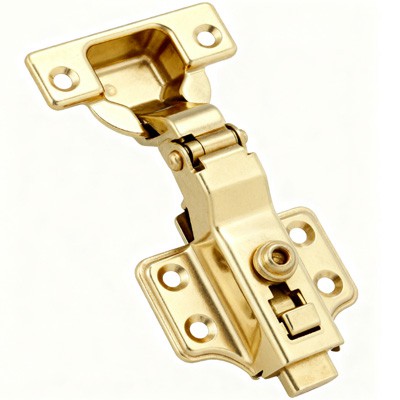
We offer a range of Brass Offset Cabinet Hinges that are perfect for cabinet applications.
3. Aluminum
Aluminum is a lightweight and corrosion-resistant material that is commonly used in continuous hinges. It is an alloy of aluminum and other elements, such as copper, magnesium, and zinc.
Advantages
- Lightweight: Aluminum is a lightweight material, which makes it easy to install and handle. It is also suitable for applications where weight is a concern, such as aircraft and automotive doors.
- Corrosion Resistance: Aluminum has good corrosion resistance, especially in outdoor environments. It can form a protective oxide layer on the surface of the metal, preventing rust and corrosion.
- Aesthetic Appeal: Aluminum has a modern, sleek appearance that can enhance the overall look of any door or lid.
Applications
Aluminum continuous hinges are commonly used in a variety of applications, including:
- Aircraft and Automotive Doors: Aluminum hinges are used in aircraft and automotive doors due to their lightweight and corrosion resistance.
- Outdoor Furniture: Aluminum hinges are a popular choice for outdoor furniture, as they can withstand the elements.
- Electronics Enclosures: Aluminum hinges are used in electronics enclosures to provide a secure and durable connection.
4. Carbon Steel
Carbon steel is a strong and durable material that is commonly used in continuous hinges. It is an alloy of iron and carbon, with small amounts of other elements, such as manganese, silicon, and sulfur.
Advantages
- Strength and Durability: Carbon steel is a strong and durable material that can withstand heavy loads. It is suitable for use in applications where strength is a primary concern, such as industrial doors and gates.
- Cost-Effective: Carbon steel is a cost-effective material compared to other metals, such as stainless steel and brass.
Disadvantages
- Corrosion Susceptibility: Carbon steel is susceptible to rust and corrosion, especially in humid or wet environments. It requires regular maintenance to prevent corrosion.
Applications
Carbon steel continuous hinges are commonly used in a variety of applications, including:
- Industrial Doors and Gates: Carbon steel hinges are used in industrial doors and gates due to their strength and durability.
- Agricultural Equipment: Carbon steel hinges are used in agricultural equipment, such as tractor doors and barn doors.
- Heavy Machinery: Carbon steel hinges are used in heavy machinery, such as construction equipment and mining machinery.
5. Plastic
Plastic is a lightweight and cost-effective material that is commonly used in continuous hinges. It is available in a variety of colors and styles, and can be easily molded into different shapes.
Advantages
- Lightweight: Plastic is a lightweight material, which makes it easy to install and handle. It is also suitable for applications where weight is a concern, such as portable equipment and furniture.
- Cost-Effective: Plastic is a cost-effective material compared to other metals, such as stainless steel and brass.
- Corrosion Resistance: Plastic is resistant to corrosion, making it suitable for use in outdoor and wet environments.
Disadvantages
- Limited Strength: Plastic is not as strong as metal, and may not be suitable for applications where heavy loads are involved.
- UV Sensitivity: Some plastics are sensitive to UV radiation, which can cause them to degrade over time.
Applications
Plastic continuous hinges are commonly used in a variety of applications, including:
- Portable Equipment: Plastic hinges are used in portable equipment, such as toolboxes and cases, due to their lightweight and cost-effectiveness.
- Furniture: Plastic hinges are used in furniture, such as cabinets and drawers, to provide a smooth and quiet operation.
- Electronics Enclosures: Plastic hinges are used in electronics enclosures to provide a secure and durable connection.
Conclusion
In conclusion, the choice of material for continuous hinges depends on several factors, including the application, environment, and budget. Stainless steel, brass, aluminum, carbon steel, and plastic are all popular materials for continuous hinges, each with its own unique properties and advantages. As a continuous hinges supplier, we offer a wide range of hinges made from different materials to meet the needs of our customers.
If you are interested in purchasing continuous hinges, we invite you to contact us for more information. Our team of experts can help you choose the right material and hinge design for your specific application. We look forward to working with you and providing you with high-quality continuous hinges that meet your expectations.
References
- "Metals and Alloys: A Practical Guide," by John R. Davis
- "The Handbook of Materials Selection," by Michael F. Ashby
- "Engineering Materials and Their Applications," by William D. Callister Jr. and David G. Rethwisch