

Transporting skid steer loader forks safely and efficiently is a crucial aspect of our business as a supplier of Skid Steer Loader Forks. These forks are essential attachments for skid steer loaders, used in a variety of industries such as construction, agriculture, and warehousing. In this blog, we will explore the different methods of transporting skid steer loader forks and provide some best practices to ensure the process goes smoothly.
Understanding Skid Steer Loader Forks
Before delving into the transportation methods, it's important to understand the nature of skid steer loader forks. These forks come in various sizes and configurations, depending on the specific application and the capacity of the skid steer loader. They are typically made of high - strength steel to withstand heavy loads and rough use. The most common types of skid steer loader forks include Skid Steers Attachments forks and Skid Mount Pallet Forks.
Factors Affecting Transportation
Several factors need to be considered when transporting skid steer loader forks:
- Size and Weight: The physical dimensions and weight of the forks play a significant role in determining the appropriate transportation method. Larger and heavier forks may require more substantial transportation equipment.
- Distance: The distance of the journey affects the choice of transportation. Short - distance trips may allow for more flexible options, while long - distance transport may require specialized carriers.
- Destination: The nature of the destination, such as whether it's a construction site, a farm, or a warehouse, also influences the transportation method. Some destinations may have limited access, which can complicate the delivery process.
Transportation Methods
Pickup Trucks and Trailers
For short - distance transportation or when delivering to nearby locations, pickup trucks and trailers are a popular choice. If the skid steer loader forks are relatively small and lightweight, they can be easily loaded onto a flat - bed trailer attached to a pickup truck.
- Loading: Use a loading ramp to safely load the forks onto the trailer. Make sure the forks are evenly distributed on the trailer to maintain balance. Secure the forks using heavy - duty straps or chains. Attach the straps to the trailer's tie - down points and tighten them to prevent the forks from shifting during transit.
- Travel: When transporting on a pickup truck and trailer, adhere to all traffic laws. Be aware of the additional length and weight of the trailer and adjust your driving accordingly. Check the tightness of the straps periodically during the journey, especially after hitting bumps or making turns.
Flat - Bed Trucks
Flat - bed trucks are suitable for transporting larger and multiple sets of skid steer loader forks. These trucks offer more space and a higher weight capacity compared to pickup trucks and trailers.
- Loading: A forklift or a crane can be used to load the forks onto the flat - bed truck. Place the forks in an orderly manner, ensuring that they are stable and won't move during transit. Use blocks or spacers to separate the forks and prevent them from rubbing against each other.
- Securement: Similar to the pickup truck and trailer method, secure the forks using chains or heavy - duty straps. Cross - strapping can provide additional stability. Make sure the chains or straps are tightened to the appropriate tension, and check them regularly.
- Documentation: When using a flat - bed truck for long - distance transportation, proper documentation is required. This includes bills of lading, which detail the number, size, and weight of the skid steer loader forks being transported.
Shipping Containers
For international or long - distance shipping, shipping containers are often used. Shipping containers protect the skid steer loader forks from the elements and provide a secure environment during transit.
- Loading: Use a forklift or a crane to load the forks into the shipping container. Arrange the forks in an efficient manner to maximize the use of space. Place shock - absorbing materials around the forks to prevent damage from vibrations and impacts.
- Securement: Inside the shipping container, secure the forks to the container walls or floor using braces, straps, or other appropriate methods. This helps prevent the forks from moving during the rough handling associated with shipping.
- Customs and Regulations: When shipping internationally, be aware of customs regulations and requirements. Ensure that all necessary paperwork, such as customs declarations and certificates of origin, is completed accurately.
Best Practices for Transportation
- Inspect the Forks: Before transportation, inspect the skid steer loader forks for any damage or defects. This helps avoid any issues during transit and ensures that the customer receives a high - quality product.
- Proper Packaging: If necessary, use protective packaging materials such as foam or plastic wraps to prevent scratches and damage to the forks.
- Communication: Maintain clear communication with the transportation provider. Provide them with detailed information about the size, weight, and special handling requirements of the skid steer loader forks.
- Tracking: For long - distance shipments, use a tracking system to monitor the progress of the delivery. This allows you to keep the customer informed and address any potential issues promptly.
Conclusion
Transporting skid steer loader forks safely and efficiently is essential for our business as a supplier. By understanding the different transportation methods, considering the relevant factors, and following best practices, we can ensure that our products reach our customers in excellent condition. Whether it's a short - distance trip using a pickup truck or an international shipment in a shipping container, each method has its own requirements and challenges.

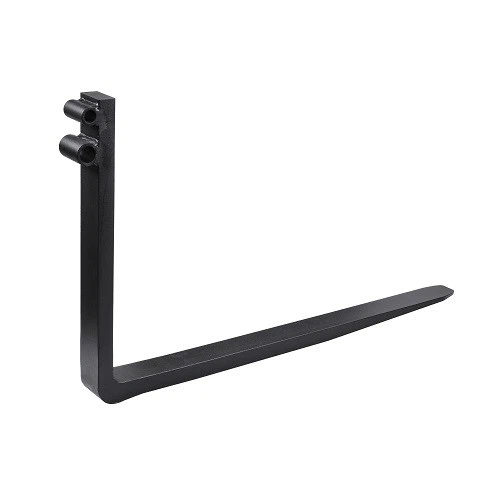
If you are in the market for Skid Steer Loader Forks, we have a wide range of products to meet your needs. Our team is dedicated to providing high - quality products and reliable transportation services. Contact us today to discuss your requirements and start the procurement process.
References
- Construction Equipment Handbook
- Agricultural Machinery Transport Guidelines
- International Shipping Regulations Manual


