



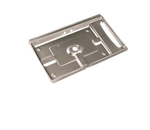


Stamping Hardware
Stamping hardware refers to metal components created through metal stamping processes. The performance of these parts depends heavily on material selection. Stainless steel stamping hardware effectively resists corrosion while maintaining high hardness, making it ideal for medical instruments. Our stainless-steel products consistently meet strict hygiene and durability requirements in healthcare applications.
Another common material choice is carbon steel. This material costs less than stainless steel while providing balanced hardness and stiffness. These properties make carbon steel highly suitable for stamping processes. Our carbon steel stamping hardware remains popular across industries due to its reliable performance and cost efficiency. Aluminum alloy represents another key option, offering lightweight characteristics and excellent electrical conductivity. Manufacturers frequently choose aluminum stamping components for electronic devices where weight reduction and heat dissipation matter. Copper alloys share similar conductive advantages but typically display yellow or other non-ferrous metal colors, whereas aluminum maintains a silver-white appearance.
We also produce galvanized steel stamping hardware that combines zinc's rust resistance with steel's structural strength. This material proves particularly valuable for outdoor applications requiring both durability and corrosion protection. While these materials cover most standard needs, final selections must account for specific industry requirements and operating environments. For instance, medical equipment prioritizes sterilization compatibility, while automotive parts demand crash resistance. Environmental factors like humidity levels or chemical exposure further influence material decisions. By analyzing each project's unique demands, we ensure optimal material choices that balance performance, cost, and longevity. Our engineers regularly test prototypes under simulated conditions to verify functionality before mass production begins. This approach minimizes risks and guarantees that every stamped component performs as intended in real-world applications.

Price & Order
Quote and confirm order quantity, specify all the details including trade terms, payment terms, type of package, etc.

Tooling Design & Manufacturing
Design and Make tooling according to the confirmed drawing, do the modification if needed while testing.

Sample Approval
Make first samples and inspect them according to the drawing strictly.
Send to the customer for approval after internal approval.

Production & Shipping
Strictly produce the goods as per the drawings and first samples.
Packed well after final inspection and ship to customers.


Applications
Stamping hardware serves countless industries because it works well for many purposes and saves money. Factories use this method to make metal parts quickly and accurately. In electronics, companies choose stamped parts when they need items that carry electricity or fit into small spaces. Aluminum and copper alloys handle these jobs best because they move power efficiently. USB ports and smartphone antenna mounts often use thin aluminum pieces to keep devices light and slim. Computer heat sinks and LED lights also rely on stamped aluminum parts since they spread heat well and form into tricky shapes. Factories stamp copper alloy contacts for circuit breakers and charging ports because the process makes thousands of identical pieces fast. This matters for gadgets like laptops and power adapters where loose connections could cause problems.
Construction crews trust stamped metal parts to keep buildings and machines safe. Steel parts coated with zinc fight off rust and handle heavy loads. Workers install these strong brackets, beams, and bolts in factory equipment, storage racks, and building frames. Stamped steel clips secure thick cables in busy workshops, while zinc-coated panels shield outdoor electrical boxes from rain and wind. Tough metal hinges and locks made through stamping last for years on industrial doors and maintenance hatches. Big projects like bridges and pipelines use stainless steel bolts and reinforcement plates because they survive wet weather and harsh chemicals without breaking down.
Home appliances show how stamping balances look and functions. Shiny stainless-steel panels on microwaves and fridges wipe clean easily while hiding scratches. Inside washing machines, carbon steel brackets hold motors firmly in place without costing too much. Stamped oven door hinges bend exactly right every time and stand up to daily use. Light aluminum parts like blender blade covers and toaster heating racks cut down weight in kitchen gadgets. Designers pick brass or painted steel trim for coffee machines and air fryers to make them look modern and stylish. Even simple items like drawer pulls and cabinet locks use stamped parts because they work well without pushing up prices.
This manufacturing method helps factories produce large numbers of parts that match exact sizes while wasting little material. Stainless steel and galvanized steel parts last longer in tough conditions like salty air or factory chemicals. Aluminum and copper work better for electronics where moving heat or electricity matters most. Engineers change designs and pick different metals to meet specific needs – maybe rustproof parts for construction sites, power-friendly pieces for devices, or shiny finishes for home products. This ability to adapt keeps stamping popular for solving all kinds of technical problems. Builders fix steel beams into place knowing stamped brackets won't fail, while families use appliances daily without thinking about the strong metal parts inside. From smartphone factories to bridge construction sites, stamped hardware quietly supports modern life through smart design and reliable performance. Workers shape sheets of metal into precise forms day after day, creating parts that power industries and homes alike without fanfare or fuss.
Conclusion
Stamping hardware serves industries worldwide by combining strength, precision, and affordability. Factories use this method to shape metal sheets into parts that meet strict demands. Electronics manufacturers rely on stamped components like connectors and heat sinks because aluminum and copper alloys conduct electricity and heat efficiently. Thin aluminum pieces fit into smartphones and laptops without adding bulk, while copper contacts in chargers and circuit breakers ensure stable connections. Stamped parts work quietly inside devices people use daily, from LED lights to power adapters.
Construction crews trust stamped steel parts to handle heavy loads and harsh conditions. Galvanized brackets and bolts hold machinery and building frames together, resisting rust in wet or chemical-heavy environments. Workers install stamped steel clips to secure cables in factories or shield outdoor electrical boxes from storms. Stainless steel reinforcement plates and hinges last for decades on bridges, pipelines, and industrial doors. These parts rarely get noticed but play vital roles in keeping structures safe.
Household appliances show how stamping balances function and style. Stainless steel panels on microwaves and refrigerators look sleek while resisting stains and scratches. Inside washing machines, carbon steel brackets hold motors firmly without raising costs. Stamped oven hinges bend perfectly to withstand daily use, and aluminum blender guards cut weight without sacrificing strength. Designers choose brass trim or coated steel details to make coffee makers and air fryers visually appealing. Even drawer handles and cabinet locks use stamped parts because they work smoothly for years at fair prices.
Our team focuses on quality at every step. Skilled workers operate advanced machines to produce parts with tight tolerances, minimizing waste. Strict quality checks ensure every bracket, hinge, or connector meets durability standards. We listen to client needs to pick the right materials-stainless steel for medical tools, galvanized steel for outdoor gear, or aluminum for electronics. By upgrading equipment and training staff regularly, we stay ahead in fast-changing industries.
Customers partner with us because we deliver reliable solutions on time. Factories mass-produce stamped parts quickly, helping brands launch products faster. Builders trust our components to meet safety codes, while appliance makers rely on them to balance cost and performance. From hospitals using corrosion-resistant surgical tools to families enjoying sturdy kitchen gadgets, our stamping hardware supports progress across fields. We adapt designs and materials to solve unique challenges, proving that simple metal parts can drive big innovations.
Hot Tags: stamping hardware, China stamping hardware manufacturers, suppliers, factory, Automotive Metal Stamping Parts, Other Metal Parts, Steel Copper Aluminum Stamping Parts, Sheet Metal Stamping Parts, Stamping Hardware, Precision Stamping Parts
You Might Also Like


Send Inquiry