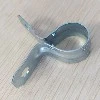

Copper is one of the most versatile industrial metals, celebrated for exceptional electrical conductivity, superior thermal performance, natural corrosion resistance, and excellent malleability. It is widely used in electronics, electrical terminals, sheet metal fabrication, hardware hinges, automotive parts, and industrial machinery components. However, many engineers, manufacturers, and design professionals overlook a critical rule: certain metals should never touch copper directly. When incompatible metals make contact with copper in humid, moist, or outdoor environments, galvanic corrosion occurs, accelerating metal degradation, causing structural damage, electrical failure, and shortened part lifespan. If you are sourcing copper components or designing metal assemblies, you must know: What metal should not touch copper?
In this SEO-optimized guide, we explain the science behind copper metal reactions, list the top incompatible metals, outline potential damages, share safe metal alternatives, and introduce high-quality copper alloy components from Joyear Metalwork, an ISO-certified manufacturer with 15+ years of experience in precision stamping, sheet metal fabrication, and ODM/OEM metal solutions.
What Causes Metal Reaction With Copper
The core reason certain metals cannot touch copper is galvanic corrosion (bimetallic corrosion). Every metal has a unique electrochemical potential level. When two different metals with large potential differences come into direct contact, combined with moisture, salt, or humidity acting as an electrolyte, a natural electric cell forms.
In this reaction:
- More active (less noble) metal acts as an anode and corrodes rapidly
- Copper acts as a cathode, remaining stable while speeding up the corrosion of the paired metal
This corrosion process is 3–10 times faster than normal environmental rusting, leading to irreversible damage to metal assemblies. Understanding this principle helps you avoid costly material pairing mistakes.
Top Metals That Should Never Touch Copper
Below are the most common metals that must not make direct contact with copper in any industrial, electrical, or architectural application.
1. Zinc
- Zinc is the most incompatible metal with copper. Galvanized steel, zinc plating, and pure zinc parts should never touch copper components. Zinc has a much lower electrochemical potential than copper, triggering severe galvanic corrosion. When paired, zinc corrodes quickly, forming white rust and deteriorating within months. This is a critical risk for fasteners, coated brackets, and hardware parts assembled with copper terminals.
2. Magnesium
- Magnesium is highly reactive and ranks among the most incompatible metals for copper contact. Direct contact causes rapid oxidation, pitting, and structural breakdown. Magnesium alloys often used in lightweight automotive and aerospace parts must be isolated completely from copper to avoid premature failure.
3. Aluminum
- Aluminum and copper are a dangerous combination widely seen in electrical wiring and sheet metal assemblies. The large potential difference leads to fast aluminum oxidation, forming insulating oxide layers that weaken electrical conductivity. Over time, loose connections, overheating, and circuit failure occur. For electrical projects, aluminum wires or parts should never directly connect to copper PCB terminals or copper stamping components.
4. Carbon Steel & Plain Iron
- Ordinary carbon steel, mild steel, and pure iron should never touch copper. Iron and steel rust aggressively when paired with copper, developing flaky reddish rust that spreads to joint areas. This weakens structural stability in forklift parts, construction metalwork, and machinery assemblies. Even small iron screws touching copper plates will rust rapidly in humid conditions.
5. Cadmium
- Cadmium-plated metals and pure cadmium are highly incompatible with copper. Direct contact triggers fast galvanic degradation and even produces harmful chemical compounds. Cadmium hardware must always be isolated from copper alloy parts in industrial equipment.
Why Incompatible Metal Contact Is Dangerous
Allowing forbidden metals to touch copper leads to four major risks for manufacturing and engineering projects:
- Accelerated Corrosion: Incompatible metals rust or pit 3–10 times faster than normal exposure.
- Electrical Failure: Oxide buildup increases resistance, causing poor conductivity, overheating, and circuit damage in PCB terminals and electrical connectors.
- Structural Weakness: Corroded joints loosen, leading to mechanical failure in hinges, machinery parts, and forklift attachments.
- Shortened Lifespan: Metal assemblies that should last decades may fail in just 1–3 years due to avoidable galvanic corrosion.
These risks cost manufacturers expensive repairs, replacements, and project downtime.
Safe Metals That Can Touch Copper
To avoid galvanic corrosion, pair copper only with metals that have similar electrochemical potential:
- Brass & Bronze: Copper alloys with nearly identical potential; completely safe for direct contact
- 316 Stainless Steel: Marine-grade stainless steel with minimal potential difference
- Titanium: Highly stable and corrosion-resistant, perfectly compatible with copper
- Nickel Alloys: Low reactivity and safe for assembly with copper components
These metals are widely used together in sheet metal stamping, hardware hinges, and electrical parts without corrosion risks.
How to Prevent Bad Metal Contact With Copper
If your design must combine copper with incompatible metals, use these proven protection methods:
- Insulating Gaskets: Place rubber, plastic, or fiber gaskets between two metals to break electric conduction.
- Surface Coating: Apply anti-corrosion paint or anodized layers on steel, aluminum, or zinc parts.
- Isolate Fasteners: Use non-conductive washers when fastening copper to carbon steel.
- Choose Compatible Alloys: Select brass, bronze, or stainless steel replacements instead of incompatible metals.
- Professional Material Selection: Work with experienced manufacturers like Joyear Metalwork for material pairing guidance.
Premium Copper Alloy Components | Joyear Metalwork
For high-quality copper parts manufactured with proper material compatibility and corrosion protection, trust Joyear Metalwork. Founded in 2008, we are a family-owned, ISO 9001:2015 and ISO 14001:2004 certified manufacturer specializing in sheet metal fabrication, precision stamping, forklift forks, and custom ODM/OEM metal components.
Our Company Strengths
- 5,000+ square meters production facility
- 300+ professional employees
- 15+ years metalworking experience
- 100+ global cooperating partners
- Products meet ISO 2330 and ANSI/ITSDF industrial standards
Copper & Metal Product Range
We produce corrosion-safe copper and alloy parts suitable for industrial assembly:
- Copper Alloy Precision Stamping Parts: Carefully paired with compatible metals to avoid galvanic corrosion
- PCB Welding Terminal: High-conductivity copper terminals designed for safe metal assembly
- Prototype Sheet Metal Stamping: Custom copper and stainless steel assemblies
- Long Metal Hinges & 72 Inch Stainless Steel Piano Hinges: Compatible metal combinations for long service life
- Forklift Forks & Attachments: High-strength steel parts engineered to avoid unsafe copper contact
Why Choose Joyear
- Professional material selection to avoid incompatible metal contact
- Strict quality control for corrosion-resistant copper components
- Full ODM/OEM customization for industrial metal assemblies
- Anti-corrosion surface treatment for long-term durability
- Fast delivery, reasonable pricing, and full after-sales service
Conclusion
To answer what metal should not touch copper: Zinc, magnesium, aluminum, carbon steel/iron, and cadmium must never make direct contact with copper. These metals trigger severe galvanic corrosion, leading to rust, pitting, electrical failure, and structural damage. Always pair copper with safe alternatives like brass, bronze, 316 stainless steel, and titanium, or use insulation when mixing different metals.
For reliable copper alloy parts and professionally designed metal assemblies that avoid corrosion risks, visit Joyear Metalwork at https://www.joyearmetalwork.com/ for custom sheet metal fabrication and precision stamping solutions.