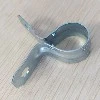

Copper is one of the most widely used industrial and decorative metals in the world, valued for its conductivity, malleability, corrosion resistance, and warm natural appearance. When researching copper materials for manufacturing, design, or hardware projects, you will encounter two common terms: copper and brushed copper. Many people ask: What is the difference between copper and brushed copper?
The short answer: copper refers to the base metal itself, while brushed copper describes a surface finish applied to copper. They are not two different materials-instead, brushed copper is copper that has undergone a mechanical texturing process to change its appearance, performance, and maintenance needs.
In this detailed guide, we explain all key differences between raw copper and brushed copper, including appearance, durability, maintenance, cost, uses, and performance. We also introduce high-quality copper and brushed copper components from Joyear Metalwork, a leading ISO-certified manufacturer with 15+ years of expertise in sheet metal fabrication, precision stamping, and ODM/OEM metal solutions for global clients.
What Is Copper (Raw / Standard Copper)?
Copper is a soft, malleable, non-ferrous base metal with a distinctive reddish-brown color.
It occurs naturally and is widely used in industry for:
- Excellent electrical conductivity
- Superior thermal conductivity
- Natural corrosion and rust resistance
- Good formability for stamping, bending, and forming
Raw or standard copper usually has a smooth, bright, or semi-polished surface as manufactured. It will gradually develop a natural patina over time when exposed to air and moisture.
What Is Brushed Copper?
Brushed copper is copper metal that has been mechanically abraded with fine abrasive tools to create a consistent, unidirectional textured surface. This process removes the smooth shine and creates a matte, linear-grain finish.
The brushing process does not change the base metal composition-it only modifies the outer surface. Brushed copper remains 100% copper with all its original physical and chemical properties.
Key Differences Between Copper and Brushed Copper
Let's break down the most important distinctions.
1. Appearance
- Copper: Smooth, bright reddish-brown surface; reflective; shows light reflections clearly.
- Brushed Copper: Matte, textured, linear grain; low reflectivity; warm, understated aesthetic.
Brushed copper hides fingerprints, smudges, and minor scratches far better than smooth copper.
2. Surface Texture & Feel
- Copper: Smooth, slippery, and soft to the touch.
- Brushed Copper: Textured, slightly grippy, and matte feel.
The textured surface improves grip for hardware, handles, and industrial components.
3. Fingerprint & Smudge Visibility
- Copper: Shows fingerprints, oil marks, and dust very easily.
- Brushed Copper: Hides smudges and marks due to its textured grain.
This makes brushed copper ideal for high-touch surfaces.
4. Scratch Resistance & Wear Concealment
- Copper: Scratches are highly visible and can ruin the clean look.
- Brushed Copper: Minor scratches blend into the grain and are barely noticeable.
Brushed copper maintains a like-new appearance much longer.
5. Tarnish and Patina Development
- Copper: Tarnishes quickly and unevenly; develops dark spots and streaks.
- Brushed Copper: Tarnishes slowly and evenly; forms a uniform, attractive patina.
The brushed texture allows air and moisture to distribute evenly, creating a more stable patina.
6. Maintenance Requirements
- Copper: Requires frequent polishing to maintain shine; high maintenance.
- Brushed Copper: Only needs occasional wiping; low maintenance; no polishing needed.
7. Cost
- Copper: Lower cost (basic material).
- Brushed Copper: Slightly higher cost due to the extra surface finishing process.
The cost difference is small but worthwhile for most applications.
8. Ideal Applications
- Copper: Electrical conductors, busbars, thermal components, wiring, and raw material for fabrication.
- Brushed Copper: Furniture hardware, hinges, decorative parts, electronics enclosures, architectural metal, and appliance components.
Quick Comparison Table: Copper vs Brushed Copper
| Feature | Standard Copper | Brushed Copper |
|---|---|---|
| Definition | Base raw metal | Copper with a textured surface finish |
| Surface | Smooth, bright, reflective | Matte, linear grain, low-reflection |
| Fingerprints | Very visible | Well hidden |
| Scratches | Highly noticeable | Blended into grain |
| Tarnish Speed | Fast and uneven | Slow and even |
| Maintenance | High (needs polishing) | Low (simple wiping) |
| Aesthetics | Bright, bold, reflective | Warm, matte, modern |
| Cost | Lower | Slightly higher |
| Main Uses | Electrical, thermal, raw material | Decorative, hardware, enclosures, design |
Are Copper and Brushed Copper the Same Material?
Yes-they are the same base metal.
Brushed copper is not an alloy or a different type of copper. It is simply copper with a modified surface. All core properties like conductivity, corrosion resistance, and strength remain unchanged.
The only differences are visual and cosmetic, not structural.
Benefits of Choosing Brushed Copper Over Standard Copper
- Modern, elegant matte appearance
- Better hiding of fingerprints and scratches
- Lower maintenance and longer clean look
- Improved grip for handles and hardware
- Even, attractive patina over time
- More professional look for industrial and consumer products
These advantages make brushed copper the top choice for design-focused applications.
When to Use Standard Copper Instead of Brushed Copper
Choose raw smooth copper if you need:
- Maximum electrical or thermal conductivity
- A bright, reflective, polished finish
- Raw material for further machining or plating
- Ultra-smooth surface for specific industrial processes
Custom Copper & Brushed Copper Solutions by Joyear Metalwork
Whether you need raw copper components or finished brushed copper parts, Joyear Metalwork delivers professional, high-quality solutions for global industries.
About Joyear Metalwork
Founded in 2008, we are a family-owned, ISO-certified manufacturer specializing in:
- Sheet metal fabrication
- Precision stamping
- ODM & OEM custom components
- Copper and copper-alloy production
Our certifications:
- ISO 9001:2015
- ISO 14001:2004
Our strengths:
- 5,000+ square meters of production space
- 300+ skilled employees
- 100+ global partners
- 1 5+ years of metal fabrication experience
- Products meet ISO 2330 and ANSI/ITSDF B56.11.4 standards
Our Copper & Brushed Copper Product Range
We provide custom copper components for many industries:
- Copper Alloy Precision Stamping Parts
- PCB Welding Terminals & Electrical Connectors
- Long Metal Hinges & 72-Inch Stainless Steel Piano Hinges
- Prototype Sheet Metal Stamping
- Custom brushed copper finishes for hardware, electronics, and construction
All products are available in standard copper or professionally brushed copper finishes.
Why Choose Joyear for Copper Parts?
- Material purity: High-grade copper with consistent quality.
- Precision brushing: Uniform grain, perfect texture, and long-lasting finish.
- Customization: Full control over size, thickness, and surface style.
- Quality assurance: Strict inspection for defect-free performance.
- Fast delivery: Large capacity ensures on-time shipping.
- Competitive pricing: Cost-effective solutions for OEMs and manufacturers.
Joyear Metalwork is your reliable partner for high-performance copper and brushed copper components.
Conclusion
To summarize the difference between copper and brushed copper:
- Copper is the base, raw, smooth metal.
- Brushed copper is copper with a textured, matte surface finish.
They share the same material properties, but differ significantly in appearance, maintenance, durability, and aesthetic appeal. Brushed copper is the better choice for most decorative, hardware, and industrial design applications, while standard copper remains essential for electrical and thermal uses.
For premium custom copper and brushed copper components tailored to your project needs, visit Joyear Metalwork today at https://www.joyearmetalwork.com/.