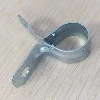

Brushed bronze and brushed brass are two of the most widely used warm metallic finishes in modern design, architecture, electronics, automotive parts, hardware, and industrial sheet metal components. They look similar at first glance-both feature a soft, linear matte texture and a warm golden-brown aesthetic that hides fingerprints and minor scratches beautifully. However, they are distinct materials with different compositions, performance, durability, maintenance, and ideal uses.
If you're struggling to tell them apart or choose the right finish for your project, this detailed guide will clarify every key difference between brushed bronze and brushed brass. We'll also introduce custom high-precision brushed metal solutions from Joyear Metalwork, a professional ISO-certified manufacturer with 15+ years of expertise in sheet metal fabrication, precision stamping, and ODM/OEM metal components.
What Is Brushed Brass?
Brushed brass is a surface finish applied to brass alloy-a metal primarily composed of copper (Cu) and zinc (Zn),with zinc content usually ranging from 10% to 45%. The brushing process uses fine abrasive tools to create consistent, unidirectional lines on the brass surface, reducing glare and creating a subtle, modern matte look.
Key traits of brushed brass:
- Bright, warm yellow-gold color
- Lightweight and highly formable
- Good machinability for stamping and bending
- Ideal for indoor decorative and electrical components
- Widely used in furniture hardware, PCB welding terminals, electrical connectors, and precision stamped parts
What Is Brushed Bronze?
Brushed bronze is made from bronze alloy-historically a mixture of copper (Cu) and tin (Sn), often with small amounts of nickel, phosphorus, or lead to enhance performance. Like brushed brass, it undergoes a brushing process for a textured, non-reflective surface, but it has a deeper, richer tone and stronger structural properties.
Key traits of brushed bronze:
- Darker, amber-brown gold with vintage depth
- Higher density, strength, and wear resistance
- Superior corrosion resistance, especially in damp or coastal environments
- Suitable for heavy-duty industrial, outdoor, and architectural applications
Core Differences Between Brushed Bronze and Brushed Brass
Let's break down the most critical differences to help you make the right choice.
1. Material Composition
The biggest difference lies in their base alloys:
- Brushed brass: Copper + zinc (Cu-Zn alloy); may include small amounts of lead, tin, or aluminum for better machinability.
- Brushed bronze: Copper + tin (Cu-Sn alloy) as the primary formula; often enhanced with nickel or phosphorus for improved corrosion and wear resistance.
This chemical difference defines every other performance feature.
2. Appearance & Color Tone
While both are warm brushed metals, their visual character is distinct:
- Brushed brass: Bright, vibrant golden-yellow, close to a soft gold finish; feels modern, bright, and minimalist.
- Brushed bronze: Deep, earthy amber-brown gold with subtle dark undertones; carries a vintage, industrial, or luxury rustic vibe.
The brushed texture is similar, but bronze's darker hue creates a more substantial, premium look.
3. Durability & Strength
- Brushed brass: Good strength and formability; ideal for light-duty and medium-duty parts. Softer and more prone to minor dents under heavy stress.
- Brushed bronze: Higher hardness, rigidity, and wear resistance; performs well in heavy-use, high-load, and industrial settings. It holds shape and texture longer under mechanical stress.
4. Corrosion & Tarnish Resistance
- Brushed brass: Moderate corrosion resistance; will tarnish (oxidize) over time in high humidity, salt air, or harsh environments, developing a dull patina.
- Brushed bronze: Excellent corrosion and tarnish resistance; far more stable in moisture, saltwater, and industrial fumes. It ages gently with a stable, attractive patina instead of dark, uneven tarnish.
5. Maintenance Requirements
- Brushed brass: Needs regular light cleaning and occasional protective coating to slow tarnish. Avoid abrasive cleaners that damage the brushed grain.
- Brushed bronze: Low-maintenance; naturally resists discoloration. Occasional wiping with a soft cloth is usually enough to keep its appearance.
6. Cost
- Brushed brass: More affordable and widely available; cost-effective for mass-produced components and interior projects.
- Brushed bronze: Higher material cost due to tin content and production complexity; worth the investment for long-term outdoor or heavy-duty use.
7. Ideal Applications
The two finishes serve different project needs:
Brushed brass works best for:
- Indoor furniture handles, hinges, and decorative trims
- Electrical components like PCB welding terminals and connectors
- Precision stamped parts for electronics and home appliances
- Light-duty sheet metal fabrication for interior construction
Brushed bronze works best for:
- Outdoor hardware, architectural trims, and coastal projects
- Heavy-duty industrial parts and machinery components
- Marine and high-humidity environment accessories
- Vintage-style furniture, automotive parts, and luxury metal assemblies
Quick Comparison Table: Brushed Bronze vs Brushed Brass
| Feature | Brushed Brass | Brushed Bronze |
|---|---|---|
| Base Alloy | Copper + Zinc (Cu-Zn) | Copper + Tin (Cu-Sn) |
| Color | Bright warm yellow-gold | Deep amber-brown gold |
| Texture | Fine linear matte brushed | Fine linear matte brushed |
| Hardness | Medium | High |
| Corrosion Resistance | Moderate | Excellent |
| Tarnish Risk | Moderate | Low |
| Maintenance | Moderate | Low |
| Cost | Lower | Higher |
| Best Environment | Indoor, dry | Indoor & outdoor, high-humidity |
| Typical Uses | Electronics, interior hardware, light stamping | Industrial, outdoor, marine, heavy-duty parts |
Custom Brushed Brass & Bronze Solutions by Joyear Metalwork
For professional, high-quality brushed brass and bronze components that meet strict international standards, trust Joyear Metalwork-your reliable partner for custom sheet metal fabrication and precision metal parts.
About Joyear Metalwork
Founded in 2008, Joyear Metalwork is a family-owned and operated enterprise specializing in sheet metal fabrication, precision stamping, ODM & OEM services, and high-performance metal components. We hold ISO 9001:2015 and ISO 14001:2004 certifications, ensuring every product complies with global quality and environmental requirements.
Our manufacturing strengths:
- 5,000+ square meters of modern production space
- 300+ skilled and experienced employees
- 100+ stable cooperating partners worldwide
- 15+ years of metal fabrication expertise
- Products meet or exceed ISO 2330 and ANSI/ITSDF B56.11.4 standards for safety and reliability
Our Brushed Metal Product Range
We provide customized brushed brass and bronze components for diverse industries:
- Copper alloy precision stamping parts (brushed brass/bronze available)
- PCB welding terminals and electrical connectors with brushed finishes
- Long metal hinges and 72-inch stainless steel piano hinges in brushed brass/bronze
- Prototype sheet metal stamping with custom brushed surface treatment
- ODM/OEM brushed metal parts for electronics, appliances, automotive, and construction sectors
Why Choose Joyear for Brushed Metal Parts?
- Precision finishing: Advanced brushing equipment ensures uniform grain, consistent color, and perfect texture for brass and bronze parts.
- Anti-tarnish treatment: Professional passivation and protective coating extend the lifespan of brushed surfaces.
- Full customization: We tailor material, size, finish, and performance to your exact project requirements.
- Fast delivery: Large production capacity and stocked parts guarantee timely order fulfillment.
- Reliable quality assurance: Dedicated QC team inspects every batch to ensure zero defects and tight tolerances.
Whether you need brushed brass electrical components for mass production or brushed bronze heavy-duty hardware for industrial use, Joyear Metalwork delivers durable, aesthetically pleasing, and high-performance solutions.
How to Choose Between Brushed Bronze and Brushed Brass
Use this simple decision guide:
- Choose brushed brass if you need a bright, modern gold finish, indoor use, cost efficiency, or precision electrical/light-duty parts.
- Choose brushed bronze if you need superior durability, corrosion resistance for outdoor/coastal use, a vintage dark gold tone, or heavy-duty industrial components.
- For fully custom results, partner with Joyear Metalwork to match color, texture, and performance exactly to your specifications.
Conclusion
To sum up, brushed bronze and brushed brass are visually similar but functionally different finishes. Brushed brass is a bright, affordable, versatile choice for indoor and light-duty applications, while brushed bronze is a durable, corrosion-resistant, premium option for heavy-duty, outdoor, and vintage-style projects.
Understanding their differences helps you select the right material for performance, aesthetics, and budget. For top-tier custom brushed brass and bronze metal components, rely on the expertise and quality of Joyear Metalwork.
Explore our full range of sheet metal fabrication, precision stamping, and custom brushed metal solutions today at https://www.joyearmetalwork.com/ and get reliable parts tailored to your project needs.