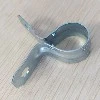

Nickel stainless steel stands as one of the most versatile and widely used metal alloys in modern industrial manufacturing, construction, electronics, and material fabrication sectors. Unlike regular carbon steel or low-alloy stainless steel, this material integrates nickel as a core alloying element alongside chromium, iron, and other trace metals, delivering unmatched corrosion resistance, mechanical toughness, and processing flexibility. Over 75% of global stainless steel production relies on nickel-infused grades, making it indispensable for custom sheet metal fabrication, hardware components, forklift parts, and precision stamping manufacturing.
If you are sourcing high-quality nickel stainless steel products, custom metal fabrication, or OEM/ODM metal parts, Joyear Metalwork is your reliable industry partner with over 15 years of professional manufacturing experience. Visit our official website: https://www.joyearmetalwork.com/ to explore our full range of nickel stainless steel hardware, forklift forks, precision stamping parts, and sheet metal fabrication solutions tailored for global clients.
What Is Nickel Stainless Steel Exactly?
Nickel stainless steel refers to a category of austenitic stainless steel that contains a significant percentage of nickel (typically 8% to 14%) combined with 16% to 20% chromium and iron as the base metal. Chromium creates a passive oxide layer on the steel surface to prevent rust, while nickel stabilizes the austenitic microstructure at room temperature, eliminating magnetism and drastically improving ductility and weldability.
Pure chromium stainless steel without nickel often suffers from brittleness, poor low-temperature performance, and limited formability. The addition of nickel solves these drawbacks perfectly. Globally, around 65% of nickel production is dedicated to manufacturing nickel stainless steel, confirming its irreplaceable role in the metal industry. Common mainstream grades include 304, 304L, 316, and 316L, all of which are classic 18-8 or upgraded nickel-chromium stainless steel alloys widely adopted across industries.
Key Roles of Nickel in Stainless Steel Performance
Nickel is the defining element that elevates ordinary stainless steel to high-performance industrial-grade material. Its core functions are reflected in five critical aspects:
1.Superior Corrosion Resistance
- Nickel enhances the stability of chromium's passive oxide film, enabling the alloy to resist oxidation, acid, alkali, salt, and chloride corrosion. High-nickel grades like 316 stainless steel perform exceptionally well in marine, chemical, and humid industrial environments, effectively avoiding pitting and stress corrosion cracking that plagues non-nickel stainless steel.
2.Excellent Mechanical Toughness & Ductility
- Nickel balances the strength and plasticity of stainless steel. It reduces cold work hardening tendency, making the material easy to bend, stamp, and shape for complex sheet metal designs. It also maintains outstanding toughness even at extremely low temperatures, suitable for cryogenic equipment and outdoor industrial components.
3.Outstanding Weldability & Machinability
- Nickel-stabilized austenitic structure avoids brittle fracture after welding, requiring no post-weld heat treatment for most applications. This makes it ideal for custom sheet metal fabrication, hinge production, and precision terminal manufacturing-core product lines at Joyear Metalwork.
4.High-Temperature Oxidation Resistance
- Nickel stainless steel retains structural stability and oxidation resistance at temperatures up to 1000°C, perfect for high-temperature industrial equipment, construction hardware, and automotive parts.
5.Non-Magnetic Property
- Most nickel stainless steel grades are non-magnetic, a vital feature for electronic components, PCB terminals, and electrical appliance parts that demand magnetic interference avoidance.
Common Grades of Nickel Stainless Steel & Their Nickel Content
Different nickel contents determine the performance, cost, and application scenarios of stainless steel. The most widely used industrial grades are as follows:
- 304 Nickel Stainless Steel: Contains 18-20% chromium and 8.0-10.5% nickel, known as the classic 18-8 steel. It is the most cost-effective general-purpose grade for daily hardware, electronics, and regular sheet metal products.
- 304L Nickel Stainless Steel: Low-carbon version of 304 with 8.0-12.0% nickel, optimized for welding applications to prevent intergranular corrosion.
- 316 Nickel Stainless Steel: Features 16-18% chromium, 10.0-14.0% nickel, and 2-3% molybdenum. Higher nickel content plus molybdenum delivers superior chloride corrosion resistance, ideal for marine hardware and chemical equipment.
- 316L Nickel Stainless Steel: Low-carbon 316 grade with the same nickel range, widely used in food-grade equipment, medical parts, and outdoor stainless steel hinges.
Industrial Applications of Nickel Stainless Steel
Thanks to its comprehensive performance, nickel stainless steel is applied in nearly all manufacturing fields, and it is the primary raw material for most products at Joyear Metalwork:
1. Hardware & Hinge Manufacturing
- Nickel stainless steel is the top choice for long metal hinges and 72-inch stainless steel piano hinges supplied by Joyear Metalwork. These hinges adopt premium 304/316 nickel stainless steel, ensuring rust resistance, smooth operation, and long service life for furniture, industrial doors, and engineering equipment.
2. Forklift & Industrial Vehicle Parts
- High-quality blank forklift forks and telehandler shaft forks require high-strength, corrosion-resistant nickel stainless steel. All forklift accessories from Joyear comply with ISO 2330 and ANSI/ITSDF B56.11.4 standards, using qualified nickel stainless steel raw materials to guarantee load-bearing capacity and durability for various brand forklifts.
3. Electronics & Electrical Components
- Copper alloy precision stamping parts and PCB welding terminals produced by Joyear adopt nickel stainless steel composite materials, leveraging the alloy's non-magnetic property and excellent electrical conductivity to meet electronic industry precision requirements.
4. Sheet Metal Fabrication & OEM/ODM Projects
- Nickel stainless steel sheets are the main raw material for custom sheet metal fabrication in electronics, auto parts, and construction industries. Joyear provides professional ODM and OEM sheet metal stamping and prototype processing services, supporting customized production with advanced equipment and 15+ years of technical experience.
5. Construction, Automotive & Chemical Industries
- From building structural parts and automotive accessories to chemical pipeline components, nickel stainless steel remains the preferred material for its reliability in harsh working conditions.
Nickel Stainless Steel Fabrication at Joyear Metalwork
Established in 2008 as a family-owned enterprise, Joyear Metalwork has grown into a leading manufacturer of forklift forks and sheet metal fabrication solutions, holding ISO 9001:2015 and ISO 14001:2004 certifications.
We specialize in processing and producing a full range of nickel stainless steel products, with unmatched competitive advantages:
- Over 5000 square meters of production base, 300+ professional employees, and 100+ long-term cooperating partners worldwide.
- Strict quality control: All nickel stainless steel products meet international ISO and ANSI industrial standards, ensuring defect-free precision parts with tight dimensional tolerances.
- One-stop service: We offer pre-sales consultation, customized design, OEM/ODM production, after-sales support, and fast global delivery with huge production capacity.
- Diversified product lineup: Stainless steel hinges, PCB terminals, precision stamping parts, forklift forks, and custom sheet metal products all adopt high-grade nickel stainless steel raw materials.
Whether you need standard nickel stainless steel hardware or custom sheet metal fabrication, our team can provide cost-effective solutions. Browse our product catalog and get professional technical support at https://www.joyearmetalwork.com/.
How to Choose the Right Nickel Stainless Steel Grade
Selecting the appropriate nickel stainless steel grade directly affects product performance and cost.
Follow these simple guidelines:
- General Indoor Use: Choose 304 nickel stainless steel for regular hardware, electronic parts, and indoor sheet metal components to balance quality and cost.
- Outdoor & Humid Environments: Opt for 316/316L high-nickel stainless steel to resist rain, salt spray, and atmospheric corrosion.
- Welding & Deep Processing: Select low-carbon 304L or 316L grades to avoid welding cracks and corrosion.
- High-Strength Industrial Parts: For forklift forks and load-bearing components, use high-purity nickel stainless steel with standardized composition to ensure mechanical strength.
Conclusion
Nickel stainless steel is irreplaceable in modern manufacturing, combining exceptional corrosion resistance, mechanical performance, and processability. Its varying nickel content creates multiple grades to suit diverse industrial needs from hardware hinges and electronic terminals to forklift parts and custom sheet metal fabrication.
As a professional manufacturer with 15+ years of experience, Joyear Metalwork dedicates to supplying premium nickel stainless steel products and one-stop OEM/ODM metal fabrication services. We adhere to strict international quality standards and provide reasonable prices, fast delivery, and full lifecycle customer service. For inquiries about nickel stainless steel product customization, wholesale forklift forks, or sheet metal processing, visit our official website https://www.joyearmetalwork.com/ to contact our professional team today.