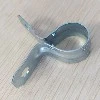

A metal roll pin, also widely known as a slotted spring pin, is a hollow, cylindrical elastic metal fastener roll-formed from spring-grade steel strip, engineered to create a self-locking interference fit inside pre-drilled component holes. Unlike rigid solid dowel pins that rely on ultra-tight machining tolerances, metal roll pins compress during installation and expand outward to deliver consistent radial spring tension, resisting loosening from vibration, thermal expansion, and repeated dynamic loads. This guide defines metal roll pins, breaks down core designs, industrial materials, compliance standards, real-world OEM applications, and manufacturing expertise available at Joyear Metalwork, your certified metal fabrication partner at https://www.joyearmetalwork.com/. We also clarify critical differences between slotted roll pins, coiled spiral roll pins, and rigid solid pins to help procurement engineers select the correct fastener for stamping, material handling, electronics, and construction projects.
Core Definition & Working Principle of a Metal Roll Pin
At its simplest, a standard metal roll pin is a hollow metal tube with a single continuous longitudinal slit running its full length, chamfered on both ends to simplify pressing into mating holes. Manufacturers roll flat tempered metal sheet into an oversized cylindrical shape; the finished pin's nominal outer diameter is slightly larger than the target hole size. When driven into the hole with a press or hammer, the slit closes inward, and the compressed metal exerts uniform outward pressure against the hole wall. This friction lock eliminates the need for cotter pins, retaining rings, lock washers, or adhesive sealants, drastically simplifying assembly workflows.
Key functional benefits built into every metal roll pin:
- Vibration resistance: Spring tension prevents pins from backing out under constant machinery oscillation
- Hole tolerance forgiveness: Accommodates minor drilling dimensional variations without losing retention
- Cost-efficient assembly: No secondary locking hardware required for most static and light-dynamic joints
- Reusable design: Can be driven out and reinstalled for component maintenance or rework
- Wide material flexibility: Available in carbon, alloy, and stainless steel for dry, wet, or corrosive operating environments
Joyear Metalwork integrates custom metal roll pins as matching hardware across our full product lineup, including stainless steel piano hinges, copper alloy precision stamping fixtures, and forklift linkage assemblies. Our in-house fastener production line fabricates roll pins in custom diameters from 0.8mm micro sizes up to 80mm heavy-duty industrial dimensions for prototype and mass OEM orders.
Two Primary Types of Industrial Metal Roll Pins
The metal roll pin family splits into two distinct structural variants: single-slotted standard roll pins (the most common type referenced as "roll pin") and multi-layer coiled spiral roll pins, each built for separate load and vibration requirements, standardized under global ISO specifications.
1. Single-Slotted Metal Roll Pins (ISO 8752 / DIN 1481)
This is the baseline metal roll pin most buyers reference when searching "metal roll pin." Produced by rolling a single sheet of spring steel tubing and cutting one full-length slit, they are categorized into light-duty thin-wall and heavy-duty thick-wall grades.
Light-Duty Slotted Roll Pins
- Thinner tube walls create mild radial spring force, ideal for low-load, low-vibration assemblies such as cabinet hinges, small electronic stamping jigs, and light agricultural hardware. Joyear supplies light-duty stainless slotted roll pins as retention hardware for our 72 inch stainless steel piano hinges, securing hinge leaves through millions of opening cycles without loosening.
Heavy-Duty Slotted Roll Pins
- Thicker tube walls deliver higher shear strength and stronger outward tension, suited for medium machinery linkages, warehouse rack brackets, and automotive auxiliary components. While durable for general use, single-slotted roll pins concentrate stress opposite the slit under extreme shock loads, making them unsuitable for high-cycle heavy lifting equipment like forklift mast joints.
2. Coiled Spiral Metal Roll Pins (ISO 8750 / DIN 7343)
Also classified as a metal roll pin variant, coiled spiral pins are manufactured by winding multiple overlapping layers of spring steel strip into a hollow cylinder instead of cutting a single slit. The multi-coil structure distributes stress evenly across the entire pin circumference, eliminating the single weak point found on slotted roll pins.
Core Advantages of Coiled Roll Pins
- Superior shock and fatigue resistance for high-vibration machinery
- Uniform radial pressure across 360 degrees of the pin body
- Compatible with softer host materials like aluminum and copper without damaging hole walls
Common Industrial Uses
Automotive transmission linkages, hydraulic cylinder assemblies, heavy-duty sheet metal enclosures, and telehandler auxiliary joints. Joyear matches coiled spiral metal roll pins with our custom galvanized sheet metal fabrications for construction OEM equipment exposed to constant warehouse and road vibration.
Standard Manufacturing Materials for Metal Roll Pins
Material selection directly dictates a metal roll pin's shear strength, corrosion resistance, and operating temperature range.
Joyear Metalwork uses four primary industrial metal grades for roll pin production, all fully RoHS compliant for global export shipments:
- High Carbon Spring Steel (65Mn / 1070): The most affordable general-purpose metal roll pin material. Tempered to deliver consistent spring tension for indoor dry machinery applications. Standard finish includes black oxide or zinc passivation to prevent surface rust.
- 42CrMo Alloy Steel: Reserved for heavy-duty thick-wall slotted roll pins requiring elevated shear strength for medium-load machinery linkages. Heat-treated for enhanced wear resistance under repeated dynamic stress.
- 304 Stainless Steel Roll Pins: Corrosion-resistant grade for humid, coastal, food-processing, and outdoor equipment. Used alongside Joyear's stainless steel hardware product lines to avoid rust in moisture-exposed assemblies.
- 316 Stainless Steel Roll Pins: Premium marine-grade metal roll pin with maximum salt-spray resistance for shipboard machinery and coastal warehouse material handling equipment.
All metal roll pin surface treatments at Joyear avoid restricted toxic heavy metals like hexavalent chromium, fully meeting EU REACH and North American import compliance rules.
Key Industrial Applications for Metal Roll Pins
Metal roll pins appear across every vertical Joyear Metalwork serves, from micro-electronics to heavy forklift manufacturing, fulfilling alignment, pivot, and retention roles in thousands of assembly designs:
1. Sheet Metal & Industrial Hardware Assemblies
- Stainless steel piano hinges, cabinet latches, equipment door brackets, and galvanized warehouse rack frames rely on slotted metal roll pins to fasten mating metal plates without complex bolt sets. Our 72 inch stainless steel piano hinge series uses custom-sized stainless roll pins to prevent hinge sag under heavy machinery door weights.
2. Precision Electronic Stamping Fixtures
- Micro-sized metal roll pins (0.8mm–6mm diameter) lock stamping die halves and locating jigs during high-volume copper alloy precision stamping production. Joyear's copper PCB welding terminal manufacturing lines use stainless roll pins to maintain fixture alignment for millions of press cycles, eliminating dimensional drift in finished electrical components.
3. Light & Medium Material Handling Equipment
- Auxiliary forklift attachments, conveyor roller assemblies, and telehandler secondary linkages use heavy-duty slotted or coiled metal roll pins for non-critical pivot joints. Note: Joyear exclusively uses solid alloy pins for safety-critical forklift fork mast connections, as metal roll pins lack the extreme shear strength required for multi-ton lifting loads.
4. Automotive & Agricultural Machinery
- Gearbox shafts, control levers, tractor attachment pivots, and suspension small linkages rely on carbon steel coiled roll pins to withstand engine and road vibration without loosening.
5. Construction & Outdoor Fabrication
- Galvanized sheet metal enclosures, structural support brackets, and outdoor storage equipment use zinc-plated or stainless metal roll pins to resist rain and humidity corrosion year-round.
Metal Roll Pins vs. Solid Dowel Pins: Critical Design Differences
Many sourcing buyers confuse metal roll pins with solid cylindrical dowel pins; the two fasteners serve entirely separate engineering purposes, summarized below:
- Flexibility: Metal roll pins are elastic and absorb vibration; solid pins are rigid with zero spring movement.
- Hole Tolerance: Roll pins accommodate minor drilling errors; solid dowel pins demand ultra-precise H7 hole machining.
- Shear Strength: Solid alloy pins offer far higher load capacity for lifting safety joints; metal roll pins suit light-to-medium dynamic loads.
- Cost: Standard carbon metal roll pins carry lower per-unit pricing than precision-ground solid dowel pins for mass production.
- Reusability: Roll pins can be removed and reinstalled repeatedly; solid pins often deform during extraction. For Joyear's blank forklift forks and heavy load-bearing assemblies, solid heat-treated alloy pins are mandatory, while metal roll pins are specified for secondary non-safety pivot and alignment joints.
Common Sourcing Mistakes With Metal Roll Pins
Mistake 1: Using slotted metal roll pins for high-shock forklift mast joints
- Single-slotted roll pins develop fatigue cracks under multi-ton lifting impact loads, creating severe workplace safety hazards. Joyear only supplies solid 42CrMo alloy pins for all forklift primary linkage assemblies.
Mistake 2: Carbon steel roll pins for coastal or food-grade machinery
- Uncoated carbon roll pins corrode rapidly in salt spray and acidic cleaning environments. Joyear offers full stainless steel roll pin alternatives for all outdoor and food processing OEM projects.
Mistake 3: Selecting light-duty thin-wall roll pins for continuous vibration machinery
- Thin slotted roll pins lose spring tension quickly under constant oscillation; coiled spiral metal roll pins deliver far longer service life for high-cycle equipment.
Mistake 4: Ignoring RoHS coating rules for export roll pins
- Cheap unregulated plating may contain restricted heavy metals. All Joyear metal roll pins use zinc-nickel or passivated finishes compliant with global export environmental standards.
Why Source Custom Metal Roll Pins From Joyear Metalwork
Founded in 2008, Joyear Metalwork is an ISO 9001:2015 quality and ISO 14001:2004 environmental certified metal manufacturer with 15+ years of fastener and heavy component production experience.
Our 5,000+ square meter facility staffed by 300+ skilled technicians produces custom metal roll pins alongside our flagship forklift forks, stainless steel piano hinges, and copper precision stamping parts, with key manufacturing advantages:
- Full size customization: Fabricate slotted and coiled metal roll pins from micro 0.8mm up to 80mm diameter, any custom length matching OEM assembly dimensions.
- Multi-material production lines: Carbon, 42CrMo alloy, 304/316 stainless steel roll pins available for dry, humid, marine, and food-grade operating environments.
- In-house full processing: Roll forming, precision chamfer grinding, controlled heat treatment, and RoHS-compliant surface finishing for all roll pin batches.
- Matching hardware kits: Pre-packaged metal roll pin sets designed to pair with our stainless hinges, sheet metal brackets, and electronic stamping fixtures to streamline OEM assembly workflows.
- Complete compliance documentation: Material test reports, hardness certification, and ISO standard validation included with all export roll pin shipments.
- Flexible order volumes: Small prototype roll pin sample batches through millions of mass-produced units, with fast lead times for stocked standard roll pin sizes.
Our dedicated engineering team provides free Design for Manufacturability (DFM) consultations to recommend the optimal metal roll pin type, wall thickness, and material grade based on your equipment's load, vibration, and environmental conditions, balancing performance and total manufacturing cost. To explore our full catalog of metal roll pins, forklift forks, stainless hardware, and precision stamped components, visit our official website https://www.joyearmetalwork.com/.
Frequently Asked Questions About Metal Roll Pins
Q1: What is the difference between a metal roll pin and a spring pin?
- A: Metal roll pin is the common industry term for single-slotted spring pins; coiled spiral pins are a related elastic roll pin variant, both categorized as spring fasteners.
Q2: Can metal roll pins be used for forklift load-bearing fork joints?
- A: No. Metal roll pins lack sufficient shear strength for safety-critical lifting linkages; solid heat-treated alloy pins are required for Joyear's certified forklift fork assemblies.
Q3: Which metal roll pin type works best for high-vibration machinery?
- A: Coiled spiral metal roll pins deliver superior uniform spring tension and fatigue resistance compared to single-slotted roll pins for continuous vibration applications.
Q4: Does Joyear manufacture stainless steel metal roll pins for marine equipment?
- A: Yes, we produce 304 and 316 stainless slotted and coiled roll pins with passivated anti-corrosion finishes for saltwater coastal machinery.
Q5: What ISO standards govern metal roll pin production?
- A: Single-slotted metal roll pins follow ISO 8752; coiled spiral roll pins comply with ISO 8750, all Joyear roll pins adhere to these global manufacturing specifications.
Final Thoughts
A metal roll pin is an affordable, self-retaining elastic fastener designed to lock mechanical components together without extra locking hardware, leveraging spring steel compression to resist vibration and minor hole dimensional inconsistencies. The two core variants - single-slotted standard roll pins and multi-coil spiral roll pins - each serve distinct industrial load and vibration use cases, while rigid solid pins remain mandatory for safety-critical heavy lifting equipment.
Selecting the correct metal roll pin material and design eliminates premature assembly loosening, costly equipment downtime, and export compliance delays. Partnering with an ISO-certified full-service metal fabricator like Joyear Metalwork guarantees access to fully customizable, RoHS-compliant metal roll pins matched to stainless hinges, electronic stamping fixtures, and medium-duty material handling machinery. Whether you require micro stainless roll pins for PCB stamping jigs or heavy coiled roll pins for sheet metal enclosures, our factory delivers consistent, load-tested fasteners tailored to all OEM and custom metalwork specifications. Visit https://www.joyearmetalwork.com/ to connect with our technical team and request a custom metal roll pin quote aligned with your engineering requirements.