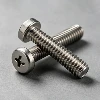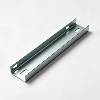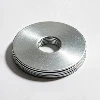

Aluminum is one of the most versatile materials in manufacturing, construction, and daily life-valued for its lightweight, corrosion resistance, and durability. But to maintain its performance and appearance, proper cleaning is critical. Whether you're caring for industrial aluminum components (like washers, forklift parts, or stamping parts) or everyday items (like cookware or outdoor fixtures), the question "What do you wash aluminum with?" has a nuanced answer: it depends on the application, level of grime, and whether the aluminum is finished or raw.
In this comprehensive guide, we'll break down the best cleaners, tools, and techniques for washing aluminum-with a focus on industrial use cases that align with Joyear Metalwork's core product lineup. We'll also highlight how Joyear's precision-engineered aluminum components are designed for easy maintenance, ensuring longevity and reliability. Whether you're an engineer, maintenance technician, or DIY enthusiast, this article will help you clean aluminum safely and effectively.
Why Proper Aluminum Cleaning Matters
Before diving into cleaners, let's explore why cleaning aluminum correctly is non-negotiable-especially for industrial applications:
- Preserve Corrosion Resistance: Aluminum's natural oxide layer protects it from rust, but dirt, grease, or chemicals can break this layer down. Proper cleaning removes contaminants without damaging the oxide film.
- Maintain Performance: For precision components (like Joyear's aluminum washers or forklift parts), grime buildup can affect fit, function, and tolerances-leading to equipment inefficiency or failure.
- Extend Lifespan: Regular, gentle cleaning prevents premature wear, ensuring aluminum components last for years (critical for high-investment industrial equipment).
- Safety: Greasy or dirty aluminum parts (e.g., forklift controls, construction hinges) can pose safety hazards, such as slips or malfunctions.
For industrial professionals, using the wrong cleaner can scratch delicate surfaces, corrode precision parts, or void product warranties. That's why Joyear Metalwork recommends following material-specific cleaning guidelines-especially for its ISO-certified aluminum components.
Core Principles for Washing Aluminum
Before choosing a cleaner, adhere to these rules to avoid damage:
- Avoid Abrasive Tools: Steel wool, scouring pads, or harsh brushes can scratch aluminum's surface, creating points for corrosion. Use soft sponges, microfiber cloths, or non-abrasive brushes.
- Skip Strong Acids/Alkalis: Bleach, ammonia, hydrochloric acid (muriatic acid), or lye-based cleaners can dissolve aluminum's oxide layer, leading to pitting and discoloration.
- Use Mild Temperatures: Hot water (above 140°F/60°C) can damage finished aluminum or accelerate oxidation. Stick to lukewarm or cool water.
- Rinse Thoroughly: Residue from cleaners can attract dirt or cause spotting. Always rinse with clean water and dry immediately.
- Test First: For finished or precision aluminum parts (like Joyear's PCB terminals or stamping parts), test cleaners on a small, inconspicuous area to ensure compatibility.
What to Wash Aluminum With: Best Cleaners by Use Case
The right cleaner depends on whether you're cleaning everyday aluminum or industrial components. Below is a breakdown of safe, effective options-with a focus on industrial scenarios relevant to Joyear's products.
1. Mild Detergents (Everyday & Light Industrial Use)
For light grime, dust, or oil buildup, mild detergents are the safest choice for aluminum. They're non-abrasive, non-corrosive, and compatible with most aluminum finishes.
- Recommended Products: Dish soap (e.g., Dawn, Palmolive), mild dishwashing liquid, or pH-neutral industrial detergents.
- How to Use:
- Mix 1–2 teaspoons of detergent with 1 gallon of lukewarm water.
- Apply the solution with a soft sponge or cloth, gently wiping the aluminum surface.
- Rinse thoroughly with clean water.
- Dry immediately with a microfiber cloth to prevent water spots.
Ideal For:
- Everyday items (cookware, outdoor furniture, aluminum siding).
- Lightly soiled industrial components (e.g., Joyear's aluminum washers, PCB welding terminals) that need routine cleaning.
Joyear Connection: Joyear's aluminum-based precision stamping parts-used in electronics and automotive applications-are designed with smooth, deburred surfaces that respond well to mild detergent cleaning. The company's ISO 9001:2015 certification ensures these parts have consistent finishes, making routine cleaning straightforward and effective.
2. White Vinegar (Natural Cleaning for Oxidation & Light Stains)
White vinegar (5% acetic acid) is a natural, cost-effective cleaner for mild oxidation (tarnish) or water spots on aluminum. Its mild acidity dissolves buildup without damaging the oxide layer.
- How to Use:
- For light oxidation: Mix equal parts white vinegar and water. Apply with a cloth, let sit for 5–10 minutes, then wipe clean and rinse.
- For stubborn spots: Soak a cloth in undiluted vinegar, wrap it around the affected area, and let sit for 15–20 minutes before wiping and rinsing.
- Ideal For:
- Outdoor aluminum fixtures (signage, fencing, Joyear's construction usage piano hinges).
- Aluminum cookware or decorative items with light tarnish.
- Note: Avoid using vinegar on anodized aluminum (a common finish for industrial parts) without testing-while mild, vinegar can dull anodized surfaces over time.
Joyear Connection: Joyear's SS304 continuous hinges are often paired with aluminum components in outdoor construction projects. For aluminum parts near these hinges, vinegar is a safe choice for removing rainwater spots or mild rust stains-preserving the components' appearance and compatibility with Joyear's corrosion-resistant hinges.
3. Baking Soda (Gentle Abrasion for Tough Grime)
Baking soda (sodium bicarbonate) is a mild abrasive that lifts tough grime, grease, or baked-on dirt without scratching aluminum. It's ideal for industrial components that need a deeper clean but can't withstand harsh chemicals.
- How to Use:
- Make a paste by mixing baking soda with a small amount of water (ratio 3:1).
- Apply the paste to the dirty area with a soft cloth or sponge.
- Gently scrub in circular motions (avoid excessive pressure).
- Rinse thoroughly and dry immediately.
- Ideal For:
- Greasy industrial parts (e.g., forklift attachment brackets, aluminum engine components).
- Aluminum tools or machinery with caked-on dirt.
Joyear Connection: Joyear's forklift forks and telehandler shaft forks are often paired with aluminum washers in material handling equipment. For cleaning these aluminum washers- which may accumulate grease or warehouse dust-baking soda paste is a safe option that won't scratch the washers' precision surfaces or affect their fit with Joyear's forklift parts.
4. Industrial-Grade Aluminum Cleaners (Heavy-Duty Industrial Use)
For heavily soiled industrial aluminum components (e.g., oil-soaked machinery parts, aluminum stamping parts with manufacturing residue), use a pH-neutral or slightly alkaline industrial aluminum cleaner. These products are formulated to cut through grease, oil, and heavy oxidation without corroding aluminum.
- Recommended Products:
- pH-neutral industrial degreasers (e.g., Simple Green Pro HD, Krud Kutter Industrial).
- Aluminum-specific cleaners (e.g., Mothers Mag & Aluminum Polish, Flitz Aluminum Pre-Cleaner).
- How to Use:
- Follow the manufacturer's instructions (dilute if required).
- Apply with a soft brush or spray bottle.
- Let sit for the recommended time (usually 5–10 minutes) to break down grime.
- Agitate gently with a non-abrasive brush if needed.
- Rinse thoroughly with clean water-residue can cause future buildup.
- Ideal For:
- Heavy-industry components (e.g., Joyear's copper alloy precision stamping parts paired with aluminum, large aluminum structural elements).
- Manufacturing equipment with oil or chemical residue.
Joyear Connection: Joyear's ODM/OEM aluminum components are used in industries like automotive, electronics, and construction-where heavy grease or manufacturing residue is common. The company recommends pH-neutral industrial cleaners for these parts, as they align with Joyear's strict quality standards and won't compromise the tight tolerances of precision-stamped aluminum components.
5. Citric Acid (Safe for Precision Industrial Parts)
Citric acid (derived from citrus fruits) is a mild, biodegradable cleaner ideal for precision aluminum parts (e.g., electronics components, medical equipment parts) that require thorough cleaning without damage. It dissolves oxidation, mineral deposits, and light grease without affecting dimensional accuracy.
- How to Use:
- Mix 2–3 tablespoons of citric acid powder with 1 gallon of warm water.
- Immerse the aluminum part in the solution for 10–15 minutes (avoid prolonged soaking).
- Remove, rinse with clean water, and dry immediately.
- Ideal For:
- Joyear's PCB welding terminals and terminal PCB male flat products -used in electronics where precision is critical.
- Small aluminum components with intricate designs or tight tolerances.
Joyear Connection: Joyear's four-slide metal stamping process produces aluminum parts with micro-level precision, such as spacers for electronics. Citric acid cleaning is recommended for these parts, as it removes flux residue or dust from stamping without altering the parts' dimensions-ensuring they integrate seamlessly with other components in electronic assemblies.
What NOT to Wash Aluminum With: Common Mistakes to Avoid
Using the wrong cleaner can ruin aluminum components-especially industrial-grade precision parts. Here are the top products to steer clear of:
- Strong Acids: Hydrochloric acid, sulfuric acid, or battery acid will corrode aluminum, causing pitting and structural damage.
- Strong Alkalis: Bleach, ammonia, or lye-based cleaners (e.g., oven cleaners) dissolve aluminum's oxide layer, leading to discoloration and rust.
- Abrasive Cleaners: Steel wool, scouring powders (e.g., Comet), or sandpaper scratch aluminum surfaces, creating corrosion points.
- Abrasive Tools: Wire brushes, stiff-bristled brushes, or scrapers can damage precision finishes (critical for Joyear's stamping parts and forklift components).
For industrial professionals, these mistakes can lead to costly downtime-e.g., a scratched aluminum washer failing in a forklift hydraulic system, or a corroded PCB terminal causing electrical malfunctions. Joyear's Quality Management Department emphasizes proper cleaning as part of its product care guidelines, ensuring customers get the most out of their aluminum components.
Industrial-Specific Cleaning Tips for Joyear's Aluminum Products
Joyear Metalwork's aluminum-based components-including washers, stamping parts, and forklift accessories-require specialized care to maintain their performance. Here are tailored tips:
1. Cleaning Joyear's Aluminum Washers & Precision Stamping Parts
- Use mild detergent or citric acid solutions to avoid damaging tight tolerances.
- Avoid soaking for more than 15 minutes-prolonged exposure to water can affect surface finishes.
- Dry with compressed air (for small parts) or a lint-free cloth to prevent water spots.
- For high-volume cleaning (e.g., OEM production lines), use Joyear-recommended pH-neutral industrial degreasers to ensure consistency.
2. Cleaning Aluminum Components Paired with Joyear's Forklift Forks
- Use baking soda paste to remove grease from aluminum washers or attachment brackets-compatible with Joyear's forklift forks (which are cleaned separately with mild detergent).
- Avoid pressure washing aluminum parts at close range-high pressure can bend or scratch precision components.
- Rinse thoroughly after cleaning to prevent cleaner residue from interacting with Joyear's ISO 2330-compliant forklift parts.
3. Cleaning Aluminum in Construction Applications (e.g., with Joyear's Piano Hinges)
- Use vinegar or mild detergent to clean aluminum fixtures near Joyear's construction usage piano hinges.
- For outdoor projects, clean aluminum components quarterly to prevent oxidation buildup-paired with Joyear's SS304 continuous hinges, this ensures long-term durability in harsh weather.
Post-Cleaning Maintenance: Protecting Aluminum
Cleaning is only half the battle-proper maintenance after washing ensures aluminum stays in top condition:
- Dry Immediately: Water spots form when aluminum air-dries. Use a microfiber cloth or compressed air to remove moisture.
- Apply a Protective Coating: For industrial parts, use a thin layer of aluminum polish (e.g., Mothers Mag & Aluminum Polish) or a silicone-based protectant to repel dirt and moisture.
- Store Properly: Keep cleaned aluminum components in a dry, climate-controlled area to avoid humidity-related oxidation. For Joyear's precision parts, use anti-corrosion packaging if storing long-term.
- Regular Inspections: Check cleaned parts for signs of damage (scratches, pitting) and re-clean as needed. For industrial equipment, schedule routine cleaning as part of maintenance protocols.
Why Joyear Metalwork's Aluminum Products Are Easy to Clean
Joyear Metalwork's aluminum components are engineered with maintainability in mind-making cleaning simpler and more effective:
- Smooth, Precision Finishes: Joyear's four-slide metal stamping and precision stamping processes create aluminum parts with uniform, smooth surfaces that resist grime buildup and are easy to wipe clean.
- High-Quality Materials: Joyear uses premium aluminum alloys (e.g., 3003, 6061) with strong natural oxide layers, reducing the need for harsh cleaners and making mild detergents or natural solutions effective.
- Compliance with Industry Standards: Joyear's aluminum parts meet ISO 2330 and ANSI/ITSDF B56.11.4 standards, ensuring consistent material composition and finish-so cleaning results are predictable and reliable.
- Customizable Finishes: For OEM customers, Joyear offers anodized or coated aluminum parts that are more resistant to dirt and oxidation, reducing cleaning frequency and effort.
Conclusion: Choose the Right Cleaner for Long-Lasting Aluminum
The answer to "What do you wash aluminum with?" depends on your use case-but the golden rule is: use mild, non-abrasive, non-corrosive cleaners that preserve aluminum's oxide layer. For everyday items, natural solutions like vinegar or baking soda work well. For industrial components-especially precision parts from Joyear Metalwork-opt for pH-neutral detergents or aluminum-specific industrial cleaners to maintain performance and tolerances.
Joyear Metalwork's 15+ years of experience in manufacturing aluminum and metal components means its products are designed for durability, easy maintenance, and compatibility with safe cleaning practices. Whether you're cleaning aluminum washers, forklift accessories, or electronics components, Joyear's ISO-certified parts and expert guidelines ensure your aluminum stays in top condition for years.
Ready to source high-quality, easy-to-maintain aluminum components? Visit Joyear Metalwork's website (https://www.joyearmetalwork.com/) to explore its product line-including precision stamping parts, forklift forks, and custom ODM/OEM solutions. With Joyear, you're not just buying aluminum components-you're investing in products engineered for performance, longevity, and hassle-free care.