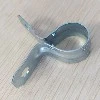
Metal stamping is one of the most cost-effective, high-speed manufacturing methods for thin-gauge metal components across automotive, electronics, construction, and material handling sectors. With automated progressive dies and precision presses, fabricators can mass-produce thousands of identical parts per hour with tight dimensional repeatability. Despite its widespread advantages, metal stamping carries distinct technical, financial, and design limitations that make it unsuitable for many project types. For design engineers, procurement managers, and product developers, understanding these critical drawbacks is essential to select the optimal manufacturing process and avoid costly production delays or part failures.
In this comprehensive guide, we break down the core limitations of metal stamping, explain real-world engineering tradeoffs, outline workarounds from experienced fabricators, and clarify when alternative processes like CNC machining, forging, or laser cutting deliver better results. We also integrate insights from JOYEAR Metalwork, a professional stamping and sheet metal manufacturer, to illustrate how a seasoned supplier mitigates stamping's inherent downsides for industrial OEM clients.
1. Prohibitive Upfront Tooling Costs & Long Lead Times for Low Volumes
The biggest financial limitation of metal stamping is its heavy reliance on custom, part-specific dies. Every unique stamped component requires a matched punch and die set, or complex progressive dies for multi-step forming, blanking, and piercing operations. Die design, CNC machining, heat treatment, and testing can cost thousands to tens of thousands of dollars for standard parts, and far more for deep-drawn or high-strength hard steel components.
This high capital investment only becomes economical at large production runs (typically tens of thousands of units). For small-batch orders, prototype iterations, or custom one-off parts, stamping's die expense drastically raises total per-unit cost, making CNC machining, laser cutting, or manual sheet bending far more budget-friendly alternatives.
Compounding this issue is extended lead time for die development. Custom tooling can take weeks or months to design, fabricate, and validate through trial runs. If a product design requires frequent revisions after dies are built, modifying or remaking tooling adds significant extra cost and production delays, unlike flexible CNC processes that support quick design tweaks without dedicated hard tooling.
2. Rigid Design Inflexibility Post-Die Completion
Once stamping dies are machined and hardened, design changes become extremely restrictive and expensive - this is a major limitation for evolving product lines or prototype testing. Even minor adjustments to hole placement, bend angles, part dimensions, or contour shapes often require full die rework or complete die replacement, which stalls production and inflates project budgets.
By contrast, CNC machining, laser cutting, and additive manufacturing use digital programming only; engineers can adjust CAD parameters in minutes with zero hard tool modifications. Stamping's lack of agility makes it a poor fit for startups, custom equipment builders, and seasonal product lines with frequent design updates. Even small aesthetic or functional edits to stamped brackets, shims, or hardware become logistically challenging once mass production launches.
3. Strict Material & Thickness Constraints
Metal stamping is fundamentally built around thin-to-medium sheet stock, creating hard limits on material thickness, alloy strength, and ductility:
Thickness Restrictions
- Standard commercial stamping efficiently processes 0.001" foil up to 0.25" mild steel. While heavy-tonnage presses can blank thicker plate, stamping plate over 0.375" becomes inefficient, with exponentially higher press force demands, rapid die abrasion, and high risk of cracking during forming. Very thick structural load-bearing parts are better suited for forging or CNC plate machining instead of stamping.
High-Strength Hard Steel Stamping Barriers
- Hardened HSLA, dual-phase, martensitic, and stainless steel create major stamping limitations. These high-tensile alloys require 2–4x more press tonnage than mild steel, suffer severe springback after bending, and rapidly wear standard D2 tool steel dies, requiring costly carbide tool upgrades. Hard steel also has low ductility, increasing the chance of edge tearing and bend cracking during forming operations.
Limited Forming Depth for Deep Draws
- Deep drawing - stamping seamless hollow cups and enclosures - has strict depth-to-diameter limits. Extremely deep parts demand multiple sequential redraw dies, driving up tool cost and cycle time. Ultra-deep geometries often cannot be stamped without material splitting, requiring hydroforming or welded assemblies instead.
Soft Non-Ferrous Material Defects
- Copper, brass, and aluminum are prone to surface scratches, dents, and uneven stretching during stamping, demanding specialized lubrication and polished dies to avoid cosmetic and functional defects on electrical and decorative stamped components.
4. Inherent Springback & Dimensional Tolerance Limits
Springback is an unavoidable physical limitation of all metal stamping: after bending or forming pressure is released, metal elastically rebounds from its formed shape, shifting bend angles and overall dimensions out of spec. The effect is drastically worse on high-strength hard steel and thin aluminum alloys, requiring labor-intensive die over-bending compensation and repeated trial adjustments to hit target tolerances.
While fine blanking achieves ultra-precise flat part tolerances, complex three-dimensional stamped bends struggle to match the micron-level accuracy of CNC machined parts. Tight tolerance critical components for aerospace or precision electrical assemblies often require secondary grinding or machining post-stamping to offset springback deviations, adding extra production steps and cost.
5. Quality Defects & Secondary Processing Overhead
Stamping consistently generates inherent surface and edge flaws that demand secondary finishing operations, adding labor and cycle time - a key operational limitation:
- Burr formation: All shearing blanking and piercing creates sharp metal burrs on cut edges. Deburring via tumbling, grinding, or laser treatment is mandatory for safety, assembly fit, and corrosion resistance. Thick hard steel produces larger, harder-to-remove burrs that extend finishing time.
- Surface damage: Scratches, indentations, and die transfer marks form during contact between raw sheet and hardened dies, ruining coated, polished, or decorative metal finishes. Protective film and specialized lubricants partially mitigate this but raise material costs.
- Work hardening: Cold stamping compresses metal grain structures, making parts brittle after multiple forming steps, which can cause fatigue cracking under cyclic vibration loads over time.
- Wrinkle risk: Thin sheet stock easily wrinkles during deep drawing without expensive blank holder tooling, resulting in scrap parts.
Every secondary deburr, polishing, or straightening step erases stamping's core advantage of fast one-shot mass production.
6. High Equipment & Facility Capital Requirements
Industrial stamping lines demand massive upfront investment in heavy hydraulic or mechanical presses, progressive die stations, automated coil feeders, and safety guarding. Even mid-sized stamping operations require large floor space, reinforced factory foundations to absorb press vibration, and certified machine operators trained in die setup and maintenance - barriers that restrict small manufacturers from offering in-house stamping services.
Ongoing operational costs further compound this limitation: stamping presses consume high electricity loads, dies require regular re-grinding and coating to extend service life, and sheet metal coil inventory ties up significant warehouse capital compared to on-demand CNC raw stock.
7. Waste & Scrap Material Limitations
Though optimized nesting reduces waste, metal stamping inherently generates scrap metal from blank offcuts, slugs from pierced holes, and rejected defective parts from trial die runs or forming failures. For expensive alloys like copper, brass, and stainless steel, accumulated scrap creates measurable material loss costs that do not exist with subtractive CNC machining, which can utilize nearly full raw blanks with minimal waste.
While scrap metal can be recycled, sorting, collection, and resale logistics add extra administrative and labor overhead for high-volume stamping facilities. Complex irregular part geometries also yield higher scrap rates than simple rectangular or circular stamped components.
8. Safety & Environmental Workplace Limitations
Heavy stamping presses present significant occupational safety hazards, including crush risks, flying metal slugs, and extreme operational noise exceeding 100dB, requiring mandatory hearing protection, light curtains, and safety interlocks that slow cycle speeds slightly. Hot stamping (press hardening) adds burn hazards and thermal management infrastructure costs.
Additionally, stamping lubricants, metal dust from deburring, and industrial waste scrap require strict waste disposal compliance to meet environmental ISO standards, increasing facility operational overhead compared to cleaner manufacturing alternatives like laser cutting or 3D printing.
How JOYEAR Metalwork Mitigates Stamping's Key Limitations
As an ISO 9001:2015 and ISO 14001 certified metal fabrication and stamping manufacturer founded in 2008, JOYEAR Metalwork has developed targeted production workflows to offset stamping's inherent drawbacks for OEM, forklift, and electrical component clients, operating out of our 5,000+ square meter facility with 300+ skilled staff:
1.Hybrid manufacturing solutions for low/high volume split orders
- We pair stamping for mass-production standard parts with CNC laser cutting and manual bending for prototype or small-batch custom components, eliminating unnecessary die costs for clients with mixed-volume product lines. Our fast prototype stamping service uses low-cost single-stage trial dies to validate designs before full progressive die investment.
2.Advanced die engineering to control springback & defects
- Our in-house tooling team designs dies with built-in springback compensation, polished die surfaces, and precision blank holders to minimize burrs, scratches, and wrinkling on hard steel, copper, and stainless stamped parts. We utilize carbide-coated tooling for hard stamping steel to extend die service life and reduce frequent rework.
3.Integrated secondary processing under one roof
- All deburring, surface finishing, heat treatment, and assembly work is completed in our factory, streamlining production timelines and reducing client logistics costs from separate third-party finishing vendors. Our precision coining processes eliminate burrs on high-tolerance metal shim washers without extra grinding steps.
4.Optimized material nesting & scrap recycling
- Our CAD nesting software maximizes sheet metal utilization to cut scrap waste, and we maintain standardized scrap recycling protocols to recover value from copper, stainless, and alloy offcuts for cost savings passed to customers.
5.Targeted material and process matching
- Our engineering team conducts early design reviews to flag parts unsuitable for stamping due to extreme thickness, ultra-tight tolerances, or low production volumes, recommending forging, machining, or welded sheet metal alternatives to avoid wasted client investment in unworkable stamping dies.
Our core stamped product range addresses stamping's limitations through process optimization, including heavy-duty metal shim washers, copper alloy precision stamping parts, and structural stamped forklift attachment brackets engineered with minimized springback and burr formation. We specialize in hard stamping high-strength steel for our ISO 2330 certified forklift forks, deploying heavy-tonnage presses and custom die sets to overcome hard steel forming challenges that smaller fabricators cannot resolve.
Whether clients require mass stamped hardware or custom low-volume sheet assemblies, we balance stamping's speed advantages with flexible complementary manufacturing processes to work around its technical and financial limitations. To explore our full stamping and custom metal fabrication services, visit https://www.joyearmetalwork.com/.
When to Avoid Metal Stamping Entirely
Based on stamping's core limitations, switch to alternative manufacturing processes if your project falls into any of these categories:
- Low-volume production (fewer than 10,000 units) with frequent design revisions
- Ultra-thick plate components over 0.375" requiring high structural load capacity
- Parts demanding micron-level precision tolerances unachievable with formed stamped bends
- Small-batch custom prototypes and one-off industrial replacement parts
- Deep, complex hollow geometries prone to splitting during standard deep drawing
- Decorative or polished metal surfaces sensitive to stamping scratches and burrs
Conclusion
Metal stamping delivers unmatched speed and low per-unit pricing for high-volume thin-gauge metal parts, but it carries non-negotiable limitations: steep upfront die costs that penalize small batches, rigid design inflexibility post-tool fabrication, strict material and thickness boundaries, unavoidable springback and surface defects, large facility capital investment, material scrap waste, and workplace safety overhead. These drawbacks make it unsuitable for prototyping, low-volume custom work, ultra-thick components, and precision critical hardware.
The most effective way to navigate stamping's tradeoffs is partnering with a full-service metal fabricator like JOYEAR Metalwork that combines advanced stamping capabilities with complementary CNC machining, laser cutting, and prototype forming services. Expert suppliers optimize die design, integrate in-house secondary finishing, and recommend alternative manufacturing workflows when stamping's limitations would compromise project cost, timeline, or part performance. Matching your component design, production volume, and material requirements to the right forming process eliminates costly mistakes and delivers consistent, cost-effective industrial metal parts.
Frequently Asked Questions
Q: Is metal stamping ever cost-effective for small orders?
- : Standard progressive die stamping is rarely economical for low volumes, but single-stage trial dies and short-run stamping offered by suppliers like JOYEAR Metalwork can reduce tool costs for prototype batches under 5,000 units. For one-off custom parts, laser cutting or CNC machining remains cheaper.
Q: Can springback in stamped parts be fully eliminated?
- A: No springback elimination method exists; manufacturers only compensate for it via over-bent die geometry, material pre-stretching, or post-forming straightening. High-strength hard steel exhibits far more severe springback than mild steel.
Q: What material is most limited by stamping processes?
- A: Ultra-high-strength martensitic steel and thick plate are the most restrictive materials for stamping, requiring oversized heavy presses and expensive carbide tooling to avoid cracking and rapid die wear.
Q: What manufacturing process overcomes most stamping limitations?
- A: CNC machining eliminates stamping's die costs, springback, and thickness restrictions, though it has slower cycle speeds and higher per-unit pricing for mass production runs.