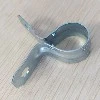

Fasteners are the invisible backbone of modern manufacturing, construction, and everyday products. From tiny electronic enclosures to multi-ton forklift masts and structural steel buildings, nearly every assembled product relies on fasteners to hold components together securely. Yet despite their ubiquity, many people working with industrial equipment cannot name the core fastener categories, or understand when each type should be used. Choosing the wrong fastener for an application can lead to loosened connections, premature failure, costly downtime, and even safety hazards.
So what are the 7 most important types of fasteners? The seven primary categories used across residential, commercial, and industrial projects are bolts, screws, nuts, washers, rivets, pins, and anchors. Each type serves a distinct purpose, from heavy structural clamping to permanent joining, precise alignment, and wall-mounted load support. Understanding the differences between them, their sub-varieties, and their ideal use cases helps engineers, fabricators, and maintenance teams select the right hardware for every job.
In this comprehensive guide, we break down each of the seven core fastener types, explain their most common variations, outline their key advantages and limitations, and survey their primary industrial applications.
1. Bolts: The Workhorse of Heavy Structural Fastening
Bolts are the strongest and most widely used type of threaded fastener for heavy load-bearing assemblies. A bolt is an externally threaded fastener designed to be used with a matching nut, clamping two or more components together between the bolt head and the nut. Unlike screws, bolts are not intended to thread directly into the workpiece material - they pass through clearance holes and are secured from the opposite side.
Common Bolt Varieties
- Hex head bolts: The standard industrial bolt, with a six-sided head driven by a wrench. Available in every strength grade from commercial to high-strength alloy steel.
- Heavy hex structural bolts: Oversized heads and shanks designed specifically for structural steel construction, used with heavy hex nuts and hardened washers.
- Carriage bolts: Have a domed head and square shoulder under the head that locks into wood or metal, preventing spinning during tightening.
- Socket head cap screws: Technically a screw but often grouped with bolts, these have an internal hex drive and are used for high-strength machine assembly where flush or low-profile heads are required.
Bolts are the preferred fastener for heavy structural joints, machinery assembly, material handling equipment, and construction applications where high clamping force and reliable load capacity are required.
2. Screws: Versatile Threaded Fasteners for Direct Installation
Screws are externally threaded fasteners designed to form or engage threads directly inside the workpiece material, eliminating the need for a separate nut. They are the most versatile fastener category, used across everything from fine electronics to heavy cabinetry and metal framing.
Common Screw Varieties
- Machine screws: Uniform fine threads for use in pre-tapped holes or with nuts, common in electronics, electrical panels, and precision equipment.
- Self-tapping / sheet metal screws: Form their own threads as they are driven into thin sheet metal, plastic, or composite materials. Widely used in sheet metal fabrication and enclosure assembly.
- Wood screws: Coarse tapered threads optimized for gripping wood, used in construction, furniture, and cabinetry.
- Set screws: Headless fasteners used to lock pulleys, gears, and collars onto shafts, typically via a hex socket drive.
Screws excel in applications where access is only available from one side, or where the workpiece material itself can serve as the threaded engagement surface. They are available in a vast range of sizes, head styles, and materials for every imaginable use case.
3. Nuts: The Complementary Threaded Fastener for Bolts
Nuts are internally threaded fasteners that pair with bolts and threaded rods to create clamped, adjustable joints. They are the essential counterpart to bolts - no bolted joint is complete without a properly matched nut. Using a nut of insufficient strength with a high-strength bolt guarantees thread stripping failure before the bolt reaches its full load capacity.
Common Nut Varieties
- Hex nuts: The standard six-sided nut, used for the vast majority of general-purpose and industrial bolted connections.
- Heavy hex nuts: Thicker and wider than standard hex nuts, designed to match heavy hex structural bolts for high-strength steel construction.
- Lock nuts: Feature a built-in locking feature such as a nylon insert (nyloc nut) or deformed threads to resist loosening from vibration and cyclic loading. Essential for machinery and automotive applications.
- Wing nuts: Have two wing-like projections for hand tightening without tools, used for quick-release and frequently adjusted connections.
Nuts are available in strength grades matched directly to bolt grades, ensuring balanced load distribution across the entire fastened joint.
4. Washers: Essential Load-Distributing Fastener Accessories
Washers are thin, flat plates placed under bolt heads, nuts, or screw heads to distribute clamping force across a wider surface area. While often treated as an afterthought, they play a critical role in joint performance and longevity.
Common Washer Varieties
- Flat washers: The most basic type, used to spread load, prevent surface indentation, and compensate for oversized holes.
- Spring / lock washers: Split or helical spring steel washers that exert spring tension to prevent nuts and bolts from loosening under vibration.
- Fender washers: Extra-large diameter flat washers used to distribute load across thin sheet metal, soft materials, or oversized mounting holes.
- Hardened flat washers: Made from through-hardened steel, required for use with high-strength structural bolts to prevent washer deformation under heavy clamping loads.
Without proper washers, clamping force can concentrate on a small area, crushing soft materials, pulling through thin sheet metal, and leading to gradual joint loosening over time.
5. Rivets: Permanent One-Side Installation Fasteners
Rivets are permanent non-threaded fasteners used to join two or more materials where access is only available from one side, or where a permanent vibration-resistant connection is required. A rivet has a smooth shank and a formed head on one end; after insertion through the workpiece, the opposite end is deformed (bucked or pulled) to create a second head, locking the joint permanently.
Common Rivet Varieties
- Solid / buck rivets: The strongest rivet type, installed by hammering or pressing the shank end to form a second head. Used in aircraft, heavy equipment, and structural steel fabrication.
- Blind / pop rivets: Hollow rivets installed with a special tool that pulls a mandrel through the rivet body to expand it from the back side. Can be installed entirely from one side.
- Tubular rivets: Partially hollow rivets used for lighter-duty assembly of hinges, brackets, leather goods, and electronic components.
Rivets create joints that will not loosen under vibration and do not require torque retightening over time. They are widely used in sheet metal fabrication, aerospace, automotive body assembly, and structural steel connections.
6. Pins: Precision Fasteners for Alignment & Retention
Pins are non-threaded fasteners designed primarily for alignment, positioning, and retention of assembled components. They ensure precise mating between parts and prevent lateral movement or separation.
Common Pin Varieties
- Dowel pins: Precision-ground straight cylindrical pins pressed into reamed holes to align two mating components with extreme accuracy. Essential for fixture tooling, machine assemblies, and precision equipment.
- Taper pins: Slightly tapered pins driven into matching tapered holes for self-locking alignment, commonly used in heavy machinery and shaft assemblies.
- Cotter pins: Split wire pins inserted through cross-drilled holes in shafts or bolts to prevent nuts or components from sliding off. Widely used for castle nut retention in automotive and machinery applications.
- Roll pins / spring pins: Hollow slotted pins that compress slightly when installed, exerting spring pressure against the hole walls for a secure press fit.
Pins are critical for precision manufacturing, as they maintain accurate alignment between components even under dynamic load and vibration.
7. Anchors: Fasteners for Wall & Masonry Mounting
Anchors are specialty fasteners designed to create secure mounting points in hollow or brittle materials such as drywall, concrete, brick, and block. They expand or lock into the base material to create a strong threaded or bolted connection where standard screws and bolts cannot grip.
Common Anchor Varieties
- Wedge anchors: Heavy-duty concrete anchors that expand wedge-like against the sides of a drilled hole. The strongest option for solid concrete and masonry.
- Sleeve anchors: Versatile medium-heavy anchors for concrete, brick, and block, with an expanding sleeve that grips the sides of the hole.
- Hollow wall anchors / molly bolts: Expand behind drywall or plaster to distribute pull-out load across a wider area, used for shelving, fixtures, and wall-mounted equipment.
- Toggle bolts / snap toggles: Spring-loaded toggle plates that lock against the back side of hollow wall material, delivering the highest load capacity of any drywall anchor.
Anchors are essential for mounting shelving, equipment, fixtures, and structural brackets to walls, floors, and ceilings where solid wood or steel framing is not available.
How to Choose the Right Fastener Type
With seven core categories and dozens of sub-varieties available, selecting the right fastener means matching the hardware to your specific application requirements.
Use these criteria to guide your selection:
- Load requirements. For heavy structural and machinery joints, bolts with matching nuts and hardened washers are the standard. For light to medium loads, screws are often sufficient.
- Permanence. If the joint will never need disassembly, rivets deliver the most reliable permanent connection. If maintenance or adjustment is required, threaded bolts or screws are the better choice.
- Accessibility. If you can only reach one side of the joint, screws, blind rivets, or wall anchors are necessary. If both sides are accessible, bolts and nuts provide the strongest joint.
- Environment. For corrosive, outdoor, or sanitary environments, select stainless steel or hot-dip galvanized fasteners. For high-strength structural use, specify appropriate alloy steel grades.
- Precision requirements. For assemblies requiring exact alignment, dowel pins and other precision locating pins are essential.
Industrial Fastening & Metal Fabrication Expertise From Joyear Metalwork
In professional metal fabrication and heavy equipment manufacturing, fastener selection is never an afterthought. The reliability of every assembled product - from precision electronic terminals to multi-thousand-pound forklift forks - depends on using the correct fastener type, grade, and installation procedure for each joint. Reputable manufacturers engineer every fastened connection to match the load requirements of the final product.
Joyear Metalwork is an ISO 9001:2015 and ISO 14001:2004 certified metal manufacturing specialist with over 15 years of experience producing both heavy structural components and precision light-gauge hardware for material handling, construction, electronics, and industrial markets. Our 5,000+ square meter production facility houses advanced stamping, forming, welding, and finishing equipment operated by 300+ skilled employees, serving over 100 cooperating partners worldwide.
Our flagship forklift fork product line - including telehandler shaft forks and blank forklift blades - is engineered to meet or exceed ISO 2330 and ANSI/ITSDF B56.11.4 safety standards. Every mounting connection and attachment assembly uses appropriately specified bolts, nuts, and hardened washers selected for the required load capacity, ensuring reliable performance under ton-level operating loads over millions of cycles.
On the precision side, our sheet metal fabrication capabilities include copper alloy precision stamping parts, prototype sheet metal stamping, 72-inch stainless steel piano hinges, and PCB welding terminals - all products that rely on carefully selected screws, rivets, and pins for proper assembly and function. Our quality assurance department verifies all fastener specifications and installation procedures across every product line, maintaining consistent, safe performance from heavy structural components down to fine electronic hardware.
Conclusion
So what are the 7 types of fasteners? Bolts, screws, nuts, washers, rivets, pins, and anchors form the core set of fastening hardware used across every industrial sector. Each type serves a distinct purpose: bolts deliver heavy structural clamping force, screws provide versatile one-side installation, nuts complete bolted joints, washers distribute load, rivets create permanent vibration-resistant connections, pins ensure precise alignment, and anchors enable secure mounting to walls and masonry.
There is no single "best" fastener - the optimal choice always depends on the specific load, environment, accessibility, and permanence requirements of the application. By understanding the strengths and limitations of each type, you can select the right hardware for every joint, ensuring safe, reliable, long-lasting assembled products.
For heavy fabrication and precision metal components built to international quality standards with properly engineered fastening throughout, explore the full range of manufacturing capabilities at Joyear Metalwork and request a consultation for your next project.