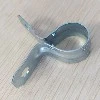

Brushed metal is one of the most popular surface finishes used across hardware, furniture hinges, electronic enclosures, architectural panels, industrial sheet metal, and precision components. Its subtle linear grain, matte texture, fingerprint resistance, and timeless look make it a top choice for designers, manufacturers, and homeowners worldwide. However, a common question keeps emerging: How do you clean brushed metal without ruining its delicate grain pattern?
Many people accidentally damage brushed metal by using harsh chemicals, abrasive scrubbers, or wiping against the grain. Improper cleaning leaves permanent scratches, faded texture, uneven discoloration, and ruined aesthetics. In this guide, we explain everything you need to know about cleaning all types of brushed metal, share material-specific methods, list mistakes to avoid, and introduce premium brushed metal products from Joyear Metalwork, a leading ISO-certified manufacturer with 15+ years of metal fabrication expertise.
What Is Brushed Metal?
Before learning how to clean it, it's important to understand what brushed metal is. Brushed refers to a mechanical surface finishing process, not a metal type. Manufacturers use abrasive belts to create fine, uniform parallel grain lines on metal surfaces, delivering a soft matte finish instead of a shiny polished look.
Common brushed metal types include:
- Brushed stainless steel
- Brushed aluminum
- Brushed copper
- Brushed brass
At Joyear Metalwork, we craft a wide range of brushed metal products, including 72 Inch Stainless Steel Piano Hinges, Long Metal Hinges, Copper Alloy Precision Stamping Parts, PCB Welding Terminals, and custom Prototype Sheet Metal Stamping components. All our brushed metal goods feature premium factory finishing that is easy to clean and maintain for years.
How to Clean Different Types of Brushed Metal
Each brushed metal material has unique chemical properties, so they require tailored cleaning methods. Below is a breakdown for the four most common types.
1. Cleaning Brushed Stainless Steel
Brushed stainless steel is the most durable and low-maintenance option, widely used in hinges, forklift parts, and outdoor hardware.
- Daily cleaning: Use warm water mixed with a drop of mild dish soap and a microfiber cloth. Wipe gently along the grain to remove dust and fingerprints.
- Stubborn water spots: Mix white vinegar and water in a 1:2 ratio, wipe the surface, then rinse and dry immediately.
- Greasy buildup: Make a soft baking soda paste, apply lightly along the grain, wipe clean, and rinse thoroughly. Never use bleach or abrasive pads on brushed stainless steel, as they will corrode the surface and scratch the grain.
2. Cleaning Brushed Aluminum
Brushed aluminum is soft and sensitive to strong acids and alkalis, requiring extra gentle care.
- Light dust & fingerprints: Dry microfiber wiping is enough for regular upkeep.
- Mild stains: Use only pH-neutral soap and warm water; avoid vinegar or lemon juice, which can dull aluminum's finish.
- Oxidation marks: Use specialized mild aluminum cleaner and wipe strictly with the brushed grain direction.
Brushed aluminum is ideal for indoor enclosures and decorative panels from Joyear Metalwork, and proper cleaning keeps its matte texture intact for decades.
3. Cleaning Brushed Copper & Brass
Brushed copper and brass develop natural patina over time and need gentle cleaning to preserve their warm tone.
- Daily care: Wipe with a dry soft cloth to remove surface dust.
- Tarnish removal: Use lemon juice and baking soda paste, apply softly along the grain, then rinse and dry.
- Avoid: Harsh chemical cleaners that strip the natural patina and cause uneven discoloration.
Our Copper Alloy Precision Stamping Parts feature premium brushed finishes that are easy to clean and maintain with simple household solutions.
Universal Step-by-Step Method to Clean Any Brushed Metal
This 5-step routine works for all brushed metal types and guarantees no damage to the grain pattern:
1.Dry Dust First
- Always start with a lint-free microfiber cloth to wipe away loose dust and debris. Rubbing wet dirt directly will act like sandpaper and create micro-scratches on the brushed lines.
2.Prepare a Mild Cleaning Solution
- Mix warm water with a small amount of neutral dish soap. For water spots or light oxidation, use diluted white vinegar (safe for stainless steel and copper only). Avoid strong detergents at all costs.
3.Wipe Along the Grain Only
- This is the most critical rule. Always wipe, scrub, and clean in the same direction as the brushed lines. Rubbing crosswise will leave visible permanent scratches that ruin the matte texture.
4.Rinse Thoroughly
- If you use soap or vinegar, rinse the surface with clean warm water to remove all residue. Leftover cleaner causes streaks and accelerated tarnishing.
5.Dry Immediately
- Use a fresh dry microfiber cloth to dry the brushed metal completely. Standing water creates water spots and speeds up oxidation on aluminum and copper surfaces.
Tools & Chemicals Never to Use on Brushed Metal
To permanently protect your brushed metal finish, avoid these items completely:
- Abrasive tools: Steel wool, scouring pads, rough sponges, and hard bristle brushes
- Strong chemicals: Bleach, ammonia, hydrochloric acid, alkaline industrial cleaners
- Harsh powdered cleansers: These leave micro-scratches across the grain
- Pressure washers: High-pressure water damages the surface coating and forces dirt into grain lines
- Colored dyes and heavy solvents: They can stain brushed aluminum and copper permanently
Sticking to soft cloths and mild solutions is the safest way to clean brushed metal.
Long-Term Brushed Metal Maintenance Tips
Proper maintenance reduces cleaning frequency and keeps brushed metal looking new for 20+ years:
- Wipe high-touch brushed metal surfaces weekly with a dry cloth.
- Apply a thin layer of clear metal wax once a year to form a protective barrier against dust and moisture.
- Keep brushed copper and aluminum away from constant high humidity and coastal salt air.
- Choose factory-finished brushed metal parts from reliable manufacturers like Joyear Metalwork, which come with anti-tarnish and anti-scratch coatings.
- Clean spills immediately to prevent stubborn stains from setting into the grain.
Premium Brushed Metal Products from Joyear Metalwork
If you are sourcing high-quality, easy-to-clean brushed metal components for hardware, electronics, construction, or industrial use, Joyear Metalwork is your trusted manufacturing partner.
Founded in 2008, we are a family-owned, ISO 9001:2015 and ISO 14001:2004 certified enterprise with over 15 years of professional metal fabrication experience. Our factory spans 5,000+ square meters, employs 300+ skilled workers, and partners with 100+ global clients. All our products meet ISO 2330 and ANSI industrial standards.
Our brushed metal product lineup includes:
- 72 Inch Stainless Steel Piano Hinges & Long Metal Hinges
- Copper Alloy Precision Stamping Parts
- PCB Welding Terminal Components
- Custom Prototype Sheet Metal Stamping with brushed finishes
- Forklift forks and industrial brushed alloy parts
Every brushed metal product from Joyear undergoes professional surface treatment, anti-oxidation coating, and strict quality control. Our finished brushed parts are easier to clean, scratch-resistant, and maintain their grain texture far longer than generic alternatives. We offer full ODM/OEM customization, large-scale production, and fast global delivery.
Common Myths About Cleaning Brushed Metal
- Myth: You need strong chemicals to clean dirty brushed metal.
Fact: Mild soap, vinegar, and baking soda handle almost all stains safely.
- Myth: You can scrub brushed metal in any direction.
Fact: Only wiping along the grain prevents permanent scratches.
- Myth: All brushed metal requires frequent polishing.
Fact: Proper weekly wiping is enough to keep it flawless year-round.
Conclusion
To answer How do you clean brushed metal? simply: Clean all brushed metal with a soft microfiber cloth, mild neutral soap, and warm water, always wiping along the grain direction. Avoid abrasive tools and harsh chemicals, rinse thoroughly, and dry immediately. Different brushed metals (stainless steel, aluminum, copper) require slight cleaning adjustments, but the core routine remains the same.
With correct cleaning and simple maintenance, brushed metal retains its elegant matte grain and premium appearance for decades. For durable, easy-to-clean custom brushed metal parts and sheet metal fabrication solutions, trust the expertise of Joyear Metalwork.
Visit https://www.joyearmetalwork.com/ to explore our full range of brushed metal hardware, stamping components, and industrial metal products.