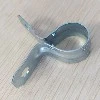

Brass fittings are ubiquitous in homes, industrial settings, and commercial applications-from plumbing fixtures and automotive components to industrial machinery and electrical connections. Valued for their durability, corrosion resistance (in mild environments), and malleability, brass fittings play a critical role in ensuring smooth operation across industries. Yet, when it comes to maintenance-especially for rust, corrosion, or stuck parts-many people wonder: Can you use WD-40 on brass fittings?
In this comprehensive guide, we'll answer that question with scientific insights, practical use cases, and safety guidelines. We'll also explore why high-quality brass and alternative corrosion-resistant materials (like those from Joyear Metalwork) reduce the need for frequent maintenance, and how to choose the right products for long-lasting performance. Whether you're a homeowner, mechanic, or industrial manager, this article will help you maintain brass fittings effectively while avoiding costly damage.
What Is WD-40, and What Does It Do?
Before diving into brass compatibility, let's clarify what WD-40 is-and what it's not. WD-40 (Water Displacement, Formula 40) is a multi-purpose lubricant and protectant invented in 1953. Its core formula includes:
- Mineral oil: Provides temporary lubrication.
- Solvents: Dissolve rust, grime, and adhesives.
- Anti-corrosion agents: Offer short-term protection against moisture.
WD-40's primary functions are:
- Loosening stuck or rusted parts (e.g., bolts, valves, fittings).
- Displacing moisture to prevent rust (ideal for wet environments).
- Cleaning surface grime, oil, or light corrosion.
- Providing temporary lubrication for moving parts.
Crucially, WD-40 is not a long-term lubricant or permanent rust inhibitor. Its solvents evaporate over time, leaving behind a thin oil film that offers minimal protection-making it unsuitable for ongoing maintenance of brass fittings in harsh or high-stress environments.
Brass Fittings: Key Properties and Maintenance Needs
Brass is an alloy of copper (60–70%) and zinc (30–40%), with trace elements (e.g., tin, lead) depending on the grade. Its popularity stems from:
- Natural corrosion resistance (thanks to a thin oxide layer that forms on the surface).
- Excellent conductivity (for electrical fittings) and malleability (for shaping into complex forms).
- Compatibility with water, air, and mild chemicals (making it ideal for plumbing and HVAC).
However, brass fittings still require maintenance to avoid:
- Tarnishing: A dull, discolored layer caused by oxidation (common in humid or coastal environments).
- Rusting: While brass itself doesn't rust (iron-free), impurities or exposure to saltwater/chemicals can cause surface corrosion.
- Seizure: Stuck fittings due to mineral buildup, corrosion, or thermal expansion (common in plumbing or industrial machinery).
This is where products like WD-40 come into play-but their use on brass requires careful consideration.
Can You Use WD-40 on Brass Fittings? Yes-But With Limitations
The short answer: Yes, you can use WD-40 on brass fittings, but only for specific, short-term tasks. WD-40 is safe for brass (it won't etch or damage the metal) and works effectively for:
1. Loosening Stuck Brass Fittings
If a brass valve, bolt, or pipe fitting is seized due to rust, mineral deposits, or corrosion, WD-40 is an excellent temporary solution. Its solvents penetrate gaps between the fitting and the mating surface, dissolving grime and reducing friction. This is especially useful in:
- Plumbing: Stuck brass faucets, showerheads, or pipe connections.
- Automotive: Brass fuel lines, brake fittings, or electrical connectors.
- Industrial Machinery: Brass components in forklifts, construction equipment, or electronics (e.g., Joyear's PCB Welding Terminals).
2. Removing Light Rust or Tarnish
For surface-level corrosion or tarnish on brass fittings, WD-40 can clean and restore shine. Simply spray a small amount, let it sit for 5–10 minutes, and wipe with a soft cloth. This works best for mild tarnish-heavy corrosion may require a dedicated brass cleaner.
3. Displacing Moisture
In wet environments (e.g., basements, marine settings, or outdoor machinery), WD-40 displaces water from brass fittings, preventing short-term rust or corrosion. This is ideal for emergency moisture removal (e.g., after a leak) but should not replace permanent protection.
Critical Limitations of WD-40 on Brass Fittings
While WD-40 is safe for brass, it's not a long-term solution. Here's why you should avoid relying on it for ongoing maintenance:
- Temporary Protection: WD-40's anti-corrosion agents evaporate within weeks, leaving brass vulnerable to future oxidation. For brass fittings in harsh environments (e.g., saltwater, chemicals, or high humidity), this is insufficient.
- Residue Buildup: Over time, WD-40's oil-based formula can attract dust, dirt, and grime, creating a sticky layer that accelerates corrosion.
- Not for Food/Drink Contact: WD-40 is not food-safe. Never use it on brass fittings in plumbing systems that supply drinking water-residue can contaminate water.
- Ineffective for Heavy Corrosion: For deep rust or pitting on brass, WD-40's solvents are too mild. You'll need a brass-specific cleaner or replacement part.
How to Safely Use WD-40 on Brass Fittings (Step-by-Step)
If you need to use WD-40 for short-term tasks (e.g., loosening a stuck fitting), follow these steps to avoid damage:
1. Prepare the Area
- Turn off water/electricity (if applicable) to the fitting to prevent leaks or electrical hazards.
- Clean the surface with a dry cloth to remove loose dirt or debris.
2. Apply WD-40 Sparingly
- Spray a small amount of WD-40 directly onto the brass fitting. Avoid over-spraying-excess product leads to residue buildup.
- Let it sit for 5–10 minutes to penetrate rust or grime. For severely stuck fittings, let it soak overnight.
3. Loosen or Clean the Fitting
- Use a wrench (with a cloth to protect the brass surface) to gently loosen stuck parts. Avoid excessive force-brass is malleable and can bend or crack.
- For cleaning, wipe the fitting with a soft microfiber cloth. For tarnish, use a brass brush (soft-bristled) to scrub lightly.
4. Remove Residue
- After loosening or cleaning, wipe the fitting with a cloth dampened in soapy water to remove WD-40 residue.
- Dry thoroughly with a clean cloth to prevent moisture buildup.
5. Apply Long-Term Protection
- For ongoing maintenance, apply a brass polish (e.g., Brasso) or a food-safe wax (for plumbing) to create a protective barrier.
- For industrial brass fittings, use a corrosion-resistant coating (e.g., clear enamel) or replace with a more durable material (e.g., stainless steel from Joyear Metalwork).
Better Alternatives to WD-40 for Brass Fitting Maintenance
For long-lasting brass fitting performance, skip WD-40 and opt for these solutions-many of which align with Joyear Metalwork's product lineup:
1. Brass-Specific Cleaners and Polishes
- Cleaners: Products like Wright's Brass Cream or Bar Keepers Friend remove tarnish and corrosion without scratching brass.
- Polishes: Carnauba wax or brass polish creates a protective layer that resists oxidation for months.
2. Corrosion-Resistant Materials (Long-Term Solution)
The best way to reduce maintenance is to use high-quality, corrosion-resistant materials from the start. Joyear Metalwork offers two superior alternatives to standard brass:
a. SS304 Stainless Steel Fittings and Hinges
Joyear's SS304 Continuous Hinges are ideal for industrial, construction, or marine applications where brass fails. SS304 stainless steel contains 18% chromium and 8% nickel, forming a passive oxide layer that resists corrosion in saltwater, chemicals, and high humidity. Unlike brass, it requires minimal maintenance and is food-safe-making it suitable for plumbing, medical equipment, and food-processing machinery.
b. High-Purity Copper Alloy Precision Stamping Parts
For applications requiring brass-like conductivity and malleability but with better corrosion resistance, Joyear's Copper Alloy Precision Stamping Parts are a game-changer. Engineered with high-purity copper and zinc ratios (and strict impurity control), these parts meet ISO 9001:2015 standards and resist tarnish and corrosion better than standard brass. They're perfect for electronics (PCB welding terminals), automotive components, and industrial machinery-reducing the need for frequent cleaning or lubrication.
3. Food-Safe Lubricants (for Plumbing)
For brass fittings in drinking water systems, use food-safe lubricants like silicone grease or plumber's tape (PTFE). These products prevent sticking without contaminating water and offer long-term protection against corrosion.
Joyear Metalwork: Your Partner for Low-Maintenance, Durable Metal Solutions
When it comes to brass fittings and their alternatives, the quality of the material matters more than any maintenance product. Joyear Metalwork-founded in 2008 as a family business with 15+ years of manufacturing experience-specializes in corrosion-resistant, low-maintenance metal components that outperform standard brass in harsh environments. Here's why Joyear is the trusted choice for OEMs, truck dealers, and industrial partners worldwide:
1. Superior Material Selection
Joyear's product lineup includes:
- Copper Alloy Precision Stamping Parts: High-purity alloys with minimal impurities, reducing tarnish and corrosion. Ideal for electronics, automotive, and industrial applications.
- SS304 Continuous Hinges: Corrosion-resistant stainless steel hinges for construction, marine, and sterile environments (e.g., hospitals, food plants).
- Forklift Forks and Telehandler Shaft Forks: Engineered with durable steel alloys that resist rust and corrosion, even in outdoor or chemical-rich industrial settings. These forks meet ISO 2330 and ANSI/ITSDF B56.11.4 standards, ensuring reliability and safety.
2. Strict Quality Control
Joyear is ISO 9001:2015 (quality management) and ISO 14001:2004 (environmental management) certified. Every component undergoes rigorous testing for corrosion resistance, dimensional accuracy, and impurity levels-ensuring defect-free performance and minimal maintenance needs.
3. Custom ODM/OEM Solutions
Whether you need replacement brass alternatives for industrial machinery or custom sheet metal fabrication for specific applications, Joyear's team collaborates with you to optimize designs. Their 5,000+ square meter production facility and 300+ skilled employees deliver fast, reliable customization-backed by 100+ cooperating partners and a reputation for excellence.
4. Long-Term Value
Joyear's components are designed to reduce maintenance costs and downtime. By choosing corrosion-resistant materials like SS304 stainless steel or high-purity copper alloys, you'll avoid frequent cleaning, lubrication, and replacement-saving time and money in the long run.
Conclusion: Use WD-40 Sparingly-Choose Quality Materials for Longevity
To answer the original question: Yes, you can use WD-40 on brass fittings for short-term tasks like loosening stuck parts or removing light tarnish. However, it's not a long-term solution-relying on WD-40 will leave brass vulnerable to corrosion and residue buildup.
For lasting performance, prioritize two key steps:
- Use WD-40 only when necessary, and always follow up with residue removal and long-term protection.
- Invest in high-quality, corrosion-resistant materials like Joyear's SS304 continuous hinges or copper alloy precision stamping parts. These components require minimal maintenance, outperform standard brass in harsh environments, and align with global safety standards.
Whether you're maintaining plumbing fixtures, industrial machinery, or electrical components, Joyear Metalwork offers the durable, low-maintenance metal solutions you need. With 15+ years of expertise, ISO certification, and a customer-centric approach, Joyear is your reliable partner for reducing maintenance headaches and ensuring long-lasting performance.
Ready to upgrade your brass fittings to corrosion-resistant alternatives? Visit Joyear's website (https://www.joyearmetalwork.com/) to explore their product range, request a custom quote, or consult their team for personalized recommendations.