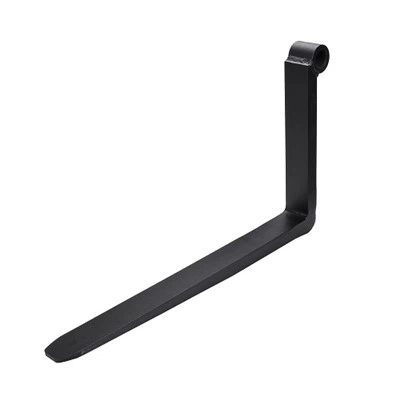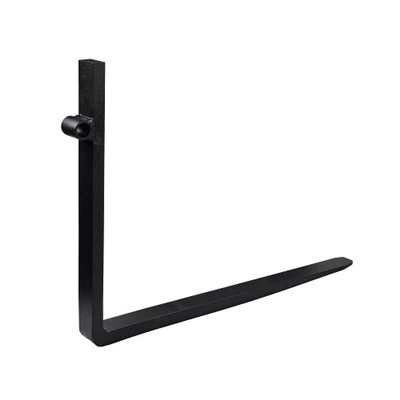
Hey there! I'm a supplier of Track Loader Forks, and I totally get why these things are super popular. They're tough, can handle heavy loads, and are great for various tasks. But it's not all sunshine and rainbows. In this blog, I'll spill the beans on the drawbacks of Track Loader Forks.
1. Lack of Maneuverability
First off, one of the major cons of Track Loader Forks is their limited maneuverability. Unlike some other types of loaders, track loaders are a bit bulkier. The tracks themselves are wide and take up a fair amount of space. When you're working in tight areas like a small construction site or a crowded warehouse, it can be a real pain to get the loader into the right position.
For instance, if you need to pick up a pallet from a corner or navigate through narrow aisles, the track loader might struggle. The turning radius is often wider than that of wheel loaders. You'll find yourself having to do multiple back-and-forth movements to get the forks in place. This not only wastes time but also increases the wear and tear on the machine. You can check out more about different types of loader forks on our Track Loader Forks page.
2. High Initial Cost
Another big disadvantage is the high upfront cost. Track Loader Forks are generally more expensive than other similar attachments. The technology and engineering that go into making these forks durable and able to handle heavy loads come at a price. You're not just paying for the forks themselves but also for the track loader base machine.
Let's say you're a small business owner or a contractor on a tight budget. The cost of purchasing a track loader with forks might be a deal-breaker. You could end up spending a huge chunk of your capital on this equipment, leaving less money for other important aspects of your business, like hiring more workers or buying additional tools. Even if you consider renting, the rental fees for track loaders with forks are usually higher compared to other options.
3. Maintenance Challenges
Maintaining Track Loader Forks can be a real headache. The tracks are made up of multiple components that need regular inspection and servicing. The pins and bushings in the tracks can wear out over time, and if not replaced promptly, it can lead to more serious problems.
Also, the tracks are more susceptible to damage from rough terrain. Sharp rocks, debris, or uneven surfaces can cause cuts, tears, or even breakages in the tracks. Repairing or replacing the tracks is not only expensive but also time-consuming. You'll have to take the loader out of service for a while, which can disrupt your work schedule.


In addition to the tracks, the forks themselves require maintenance. The tines can get bent or damaged during heavy use. You need to regularly check for any signs of wear and tear and sharpen or replace the tines as needed. For more information on fork attachments and their maintenance, you can visit our Fork Attachments for Wheel Loaders page.
4. Limited Speed
Compared to wheel loaders, track loaders are generally slower. The tracks are designed for stability and heavy lifting rather than high-speed operations. This can be a significant drawback when you need to move quickly between different job sites or transportation areas.
Let's say you're working on a large construction project where you have to transport materials from one end of the site to the other. A wheel loader would be able to cover the distance much faster than a track loader. The slower speed of track loaders can result in longer project completion times and decreased overall productivity.
5. Terrain Limitations
While track loaders are known for their ability to handle rough terrain, they also have some limitations. In extremely soft or muddy ground, the tracks can sink. This not only makes it difficult to move the loader but can also cause damage to the ground. You might end up leaving deep ruts in the soil, which can be a problem if you're working on a landscape project or a site that needs to be kept in good condition.
On the other hand, in very rocky or abrasive terrain, the tracks can wear out quickly. The sharp edges of the rocks can cut into the tracks, reducing their lifespan and increasing the need for frequent replacements.
6. Noise and Vibration
Track loaders are noisier and produce more vibrations compared to some other types of loaders. The noise can be a nuisance, especially if you're working in a residential area or a place where noise regulations are strict. You might need to wear ear protection, which can be uncomfortable and add an extra cost.
The vibrations can also be a problem for the operator. Prolonged exposure to high levels of vibration can cause fatigue, discomfort, and even long-term health issues. It can be difficult for the operator to focus on the task at hand, which can increase the risk of accidents.
7. Compatibility Issues
Sometimes, there can be compatibility issues with the track loader and the forks. Not all forks are designed to fit every track loader model. You need to make sure that the forks you purchase are the right size and specification for your loader. If there's a mismatch, it can lead to poor performance, increased wear and tear, and even safety hazards.
Before making a purchase, it's important to do your research and consult with the manufacturer or supplier. You can find a wide range of Wheel Loader Pallet Forks with different specifications on our website to ensure you get the right fit for your equipment.
Conclusion
So, as you can see, while Track Loader Forks have their advantages, they also come with several disadvantages. But don't let that discourage you! At the end of the day, it all depends on your specific needs and the nature of your work. If you're working in a large, open area with relatively stable ground and need to handle heavy loads, track loader forks might still be a great choice for you.
If you're interested in learning more about Track Loader Forks or exploring other options, don't hesitate to reach out. We're here to help you make an informed decision. Whether you have questions about the product, pricing, or maintenance, our team of experts is ready to assist you. Contact us today to start a discussion about your equipment needs.
References
- Construction equipment industry reports.
- Manufacturer's product manuals and specifications.