
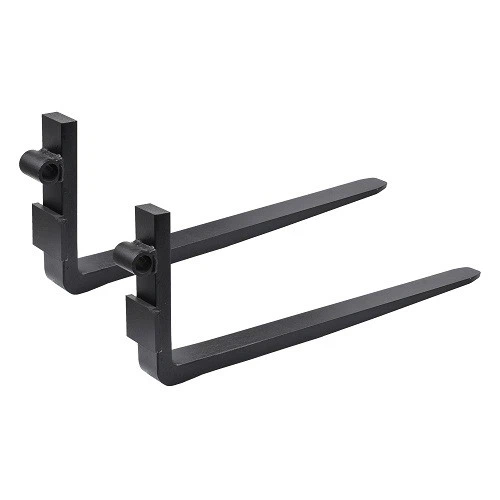
Pin type forks are essential tools in various industries, especially in material handling and construction. Over time, these forks can accumulate dirt, debris, and even rust, which not only affects their appearance but also their functionality and lifespan. As a trusted supplier of pin type forks, I understand the importance of proper cleaning and maintenance. In this blog, I will share some effective methods on how to clean pin type forks.
Understanding the Importance of Cleaning
Before diving into the cleaning process, it's crucial to understand why cleaning pin type forks is so important. Firstly, dirt and debris can cause uneven wear and tear on the forks. When small particles of grit and sand get stuck between the moving parts or on the surface of the forks, they act like abrasives, gradually eroding the metal. This can lead to weakened areas, cracks, and ultimately, fork failure.
Secondly, rust is a major enemy of pin type forks. Moisture, especially in harsh working environments, can cause the forks to rust. Rust not only weakens the structural integrity of the forks but also makes them less effective in grabbing and holding loads. A rusty fork may not fit properly into the pallet or other materials, increasing the risk of accidents.
Finally, regular cleaning of pin type forks helps to maintain their aesthetic appeal. In a professional setting, well - maintained equipment gives a positive impression to clients and partners. It also indicates that the company takes pride in its operations and is committed to safety and quality.
Pre - cleaning Inspection
Before starting the cleaning process, a thorough inspection of the pin type forks is necessary. Check for any signs of damage such as cracks, bends, or excessive wear. Pay special attention to the pins and the areas where the forks attach to the equipment. If any damage is found, it's important to address it immediately. In some cases, the damaged parts may need to be replaced to ensure the safety and functionality of the forks.
Gathering the Necessary Tools
To clean pin type forks effectively, you will need the following tools:
- A wire brush: A wire brush is great for removing tough dirt, rust, and debris from the surface of the forks. There are different types of wire brushes available, such as handheld brushes and power - operated wire brushes. For larger and more stubborn debris, a power - operated wire brush may be more efficient.
- A pressure washer: A pressure washer can quickly blast away loose dirt and grime. It's important to use the appropriate pressure setting to avoid damaging the forks.
- Cleaning agents: Depending on the level of dirt and rust, you may need a cleaning agent. For light dirt, a simple mild soap and water solution may be sufficient. For more stubborn rust, a rust remover or a degreaser may be required.
- Protective gear: Wear gloves, safety glasses, and a dust mask to protect yourself from dirt, debris, and chemicals.
The Cleaning Process
Step 1: Remove Loose Debris
Start by using a broom or a brush to sweep away any loose dirt, leaves, or other debris from the forks. This initial step will make the subsequent cleaning process easier and more effective.
Step 2: Use a Pressure Washer
If you have a pressure washer, set it to an appropriate pressure level. Start from the top of the forks and work your way down, using a sweeping motion to remove as much dirt and grime as possible. Pay special attention to the areas around the pins and the joints, as these are often the places where dirt accumulates.
Step 3: Apply Cleaning Agents
If there are still stubborn dirt or rust spots after using the pressure washer, apply the appropriate cleaning agent. For a mild soap and water solution, simply mix the soap with water in a bucket and use a sponge or a cloth to apply it to the forks. For a rust remover or degreaser, follow the manufacturer's instructions carefully. Apply the product to the affected areas and let it sit for the recommended amount of time.
Step 4: Scrub with a Wire Brush
After the cleaning agent has had time to work, use a wire brush to scrub the forks. Focus on the areas with rust or stubborn dirt. Scrub in a circular motion to ensure that you cover all the surfaces. Be careful not to scrub too hard, as this can damage the metal.

Step 5: Rinse
Once you have finished scrubbing, use the pressure washer again to rinse off the cleaning agent and any remaining dirt or debris. Make sure to rinse thoroughly to remove all traces of the cleaning agent, as some agents can cause corrosion if left on the forks.
Step 6: Dry
After rinsing, dry the forks thoroughly. You can use a clean cloth to wipe off the excess water, or let the forks air - dry in a well - ventilated area. It's important to ensure that the forks are completely dry to prevent rust from forming.
Post - cleaning Maintenance
After cleaning the pin type forks, it's important to take some steps to maintain their cleanliness and prevent future damage.
- Apply a protective coating: A protective coating such as a rust - resistant paint or a lubricant can help to prevent rust and corrosion. Apply the coating according to the manufacturer's instructions.
- Store the forks properly: When not in use, store the pin type forks in a dry, clean place. Avoid storing them in areas where they are exposed to moisture or harsh chemicals.
- Regular inspections: Conduct regular inspections of the forks to check for any signs of damage or wear. This will help you to identify and address any issues before they become serious problems.
Related Product Links
If you are interested in other types of forks, we also offer Pallet Forks for Backhoe, Backhoe Loader Forks, and Bucket Pallet Forks. These products are designed to meet the diverse needs of our customers in the material handling and construction industries.
Contact for Purchase and Negotiation
As a leading supplier of pin type forks, we are committed to providing high - quality products and excellent customer service. If you are interested in purchasing our pin type forks or have any questions about cleaning and maintenance, please feel free to contact us. We look forward to discussing your requirements and finding the best solutions for your business.
References
- "Material Handling Equipment Maintenance Guide", Industrial Equipment Association
- "Rust Prevention and Removal in Metal Tools", Metalworking Journal
