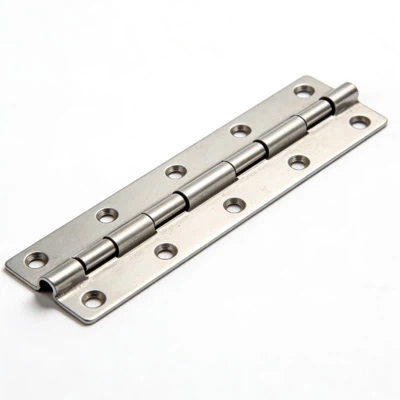
Hey there! As a supplier of slotted piano hinges, I often get asked a bunch of questions about these nifty little things. One question that pops up quite a bit is, "Can slotted piano hinges be painted?" Well, let's dive right into it and find out.
First off, let's understand what slotted piano hinges are. These are long, continuous hinges that have slots along the length. They're super versatile and are used in a wide range of applications, from cabinets and doors to musical instruments (hence the name "piano hinge"). If you're interested in checking out our Slotted Piano Hinge, just click on the link.
Now, back to the main question. The short answer is yes, slotted piano hinges can be painted. But there are a few things you need to keep in mind before you start slapping on that paint.
Preparation is Key
Before you even think about painting, you need to prep the hinge properly. This is crucial because it ensures that the paint adheres well and lasts for a long time.
- Clean the Hinge
- The first step is to clean the hinge thoroughly. Use a mild detergent and warm water to remove any dirt, grease, or debris. You can use a soft brush to get into those slots and make sure they're clean. Rinse the hinge well and let it dry completely.
- Sand the Surface
- Once the hinge is dry, sand the surface lightly. This helps to rough up the metal a bit, giving the paint something to grip onto. You can use fine-grit sandpaper for this. Just be careful not to sand too hard and damage the hinge.
Choosing the Right Paint
Not all paints are created equal, and choosing the right one for your slotted piano hinge is important.
- Type of Paint
- For metal hinges, you'll want to use a paint that's specifically designed for metal surfaces. Enamel paint is a popular choice because it's durable and provides a nice finish. You can also use spray paint, which is easy to apply and dries quickly.
- Color and Finish
- Think about the color and finish you want. Do you want a glossy finish for a more modern look, or a matte finish for a more subtle appearance? Make sure to choose a color that matches the overall aesthetic of your project.
Painting the Hinge
Now that you've prepped the hinge and chosen the right paint, it's time to start painting.
- Apply Primer (Optional but Recommended)
- Applying a primer before the paint can help the paint adhere better and provide an extra layer of protection. Make sure to choose a primer that's compatible with the paint you're using. Apply the primer in thin, even coats and let it dry completely according to the manufacturer's instructions.
- Paint the Hinge
- If you're using spray paint, hold the can about 6 - 8 inches away from the hinge and spray in smooth, even strokes. Make sure to cover all the surfaces, including the slots. If you're using a brush, dip the brush into the paint and apply it in thin, even coats. Work your way along the length of the hinge, making sure to get into the slots. Let the paint dry between coats. Usually, 2 - 3 coats are sufficient.
Drying and Curing
After you've finished painting, it's important to let the hinge dry and cure properly.
- Drying Time
- The drying time depends on the type of paint you're using. Spray paint usually dries faster than brush-on paint. Check the manufacturer's instructions for the specific drying time.
- Curing Time
- Curing is different from drying. Curing is the process where the paint fully hardens and becomes durable. This can take a few days to a week, depending on the paint. During this time, avoid using the hinge or putting any stress on it.
Benefits of Painting Slotted Piano Hinges
There are several benefits to painting your slotted piano hinges.
- Aesthetics
- Painting the hinges can enhance the overall look of your project. You can choose a color that matches or complements the surrounding materials, giving your project a more polished and professional appearance.
- Protection
- Paint acts as a protective barrier against rust and corrosion. This is especially important if the hinge is going to be exposed to moisture or harsh environmental conditions. Our Galvanized Continuous Hinge already has some protection, but adding a layer of paint can provide extra peace of mind.
Potential Drawbacks
While painting slotted piano hinges has its benefits, there are also a few potential drawbacks to consider.


- Restricted Movement
- If you apply too much paint or don't apply it evenly, it can affect the movement of the hinge. The paint may build up in the slots or between the leaves of the hinge, causing it to bind or not open and close smoothly.
- Chipping and Peeling
- Over time, the paint may chip or peel, especially if the hinge is subjected to a lot of wear and tear. This can not only look unsightly but also expose the metal to rust and corrosion.
Tips for a Successful Paint Job
Here are some tips to help you get the best results when painting your slotted piano hinges.
- Work in a Well-Ventilated Area
- Painting can release fumes, so make sure you're working in a well-ventilated area. This will help to protect your health and ensure that the paint dries properly.
- Use a Mask and Gloves
- To protect yourself from the paint fumes and chemicals, wear a mask and gloves. This is especially important if you're using spray paint.
- Be Patient
- Rushing the painting process can lead to a poor finish. Take your time to prep the hinge, apply the paint evenly, and let it dry and cure properly.
In conclusion, slotted piano hinges can definitely be painted, but it requires some preparation, the right materials, and a bit of patience. If you're looking for high-quality slotted piano hinges, you can check out our Long Size Piano Hinge and Slotted Piano Hinge options on our website.
If you're interested in purchasing our slotted piano hinges or have any questions about painting them, feel free to reach out. We're here to help you make the best choice for your project.
References
- Paint manufacturers' instructions and guidelines.
- Engineering and construction handbooks on metal finishing and painting.